
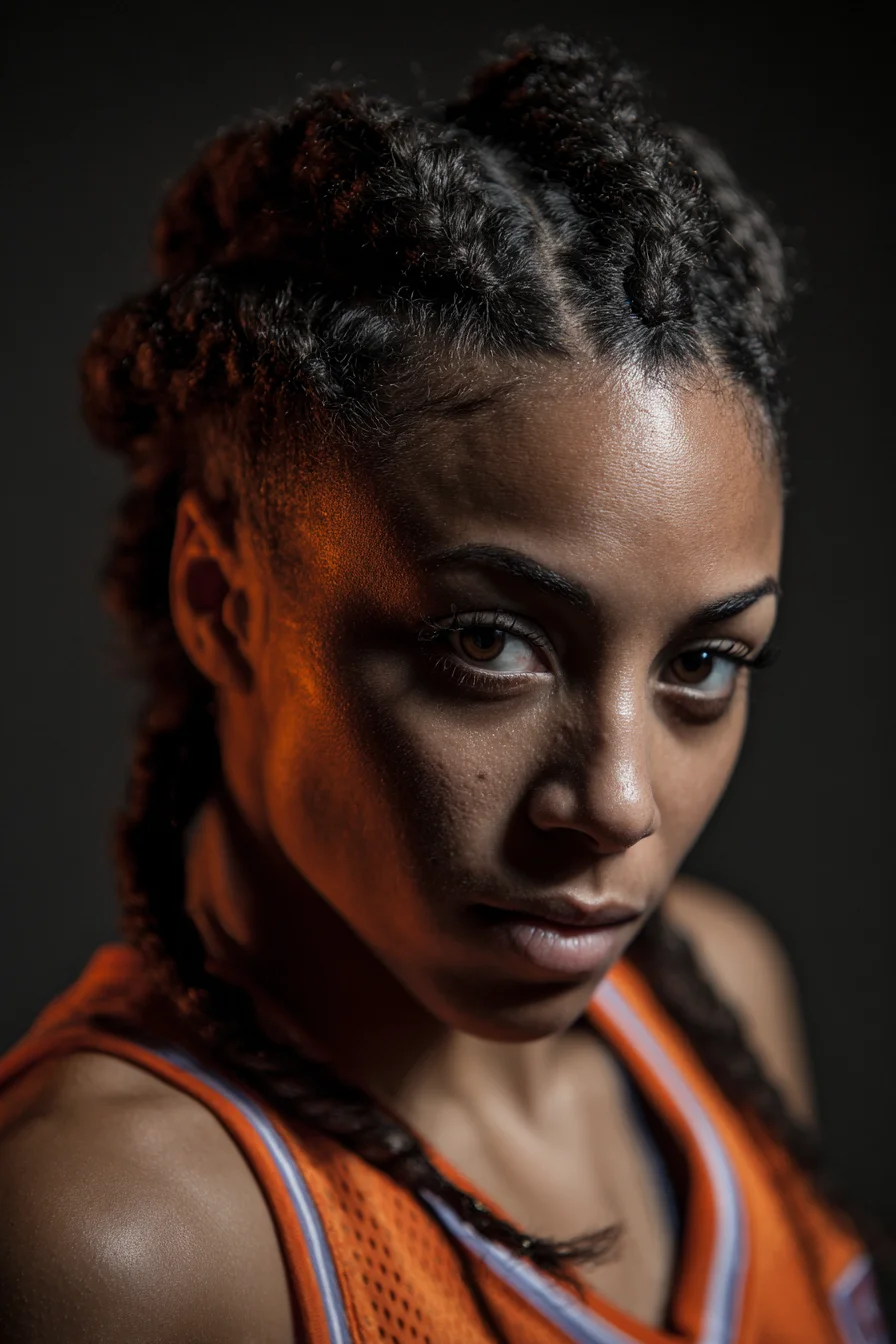
Hi, I’m Lena — a professional hairstylist with over 10 years behind the chair. In this post I present 56 basketball-friendly hairstyles for women that balance performance and style. Whether you have thick, curly, fine, or textured hair, these looks are designed to stay put during drills, full-court games, and post-practice errands. Expect everything from secure braids and high ponytails to protective updos, slicked-back buns, and breathable cornrow variations that reduce sweat-related frizz. I’ll share salon-tested tips on tension, product choice, and how to adapt each style to your hair length and density. These images and step suggestions are ideal for players, coaches, and active women who want low-maintenance routines that still look polished off the court. Read on for practical how-tos, quick modifications, and pro advice to keep your hair healthy while you perform at your best.
Textured Double Dutch Braids with Face‑Framing Tendrils
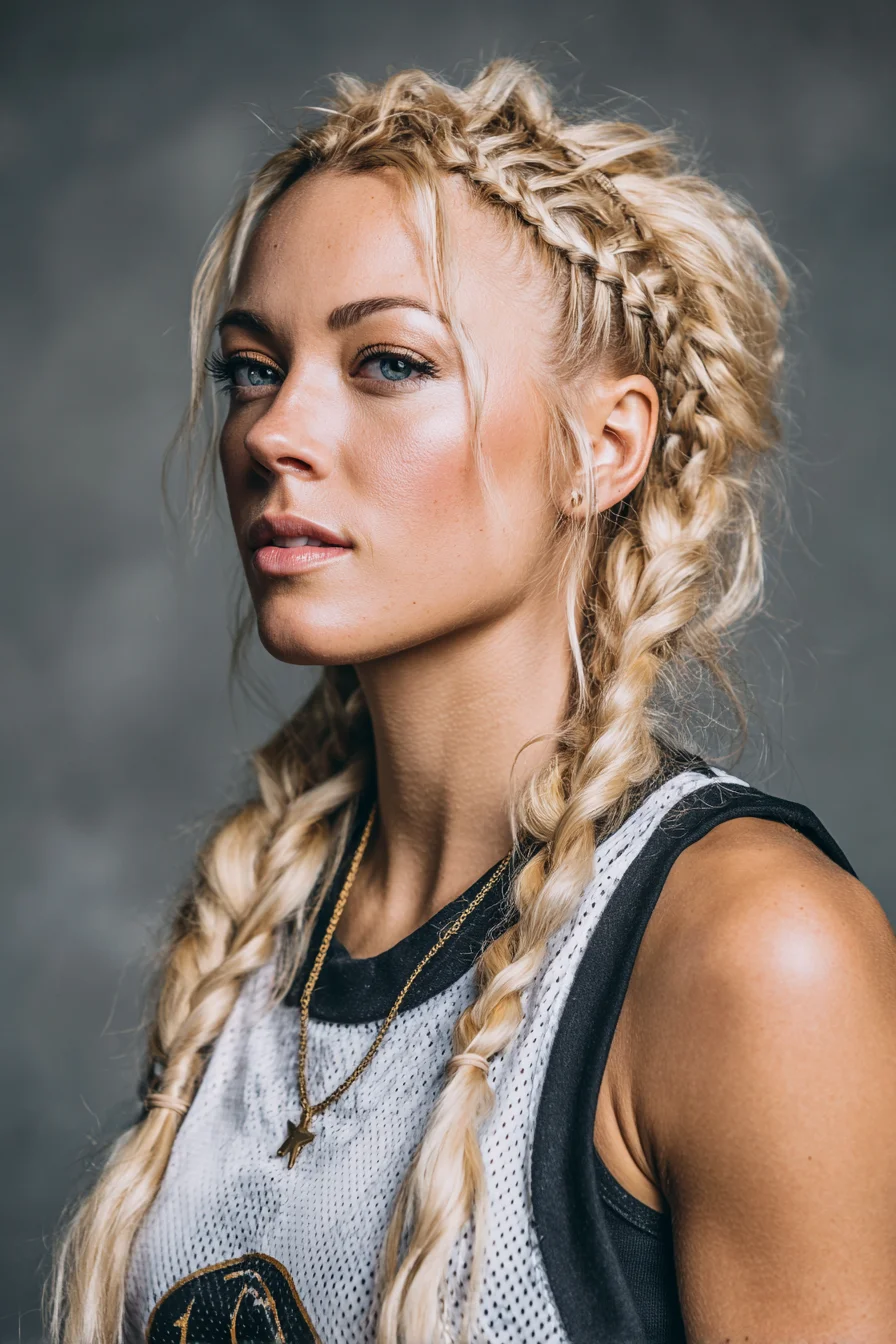
This look suits medium to long hair and works best on naturally textured or thick hair — fine hair can achieve the same effect with light teasing or clip‑in extensions. Technique: start with a clean, towel‑dried base sprayed with texturizing or sea‑salt spray for grip. Create a defined center part, then Dutch‑braid each side from hairline to nape, adding small sections as you go. Slightly pancake each braid for width and pull out a few face‑framing tendrils for softness. Tools: rat‑tail comb, sectioning clips, small clear elastics, a wide‑tooth comb, fine tooth for teasing, bobby pins. Products: texturizing/sea‑salt spray, lightweight mousse or root‑lift for fine hair, smoothing serum on ends, medium‑hold hairspray, and a dry‑shampoo for refresh. Difficulty: moderate — requires steady tension and comfortable braiding skills; allow 20–35 minutes depending on experience. Maintenance tips: sleep on a silk scarf or use loose pineapple wrap, refresh with dry shampoo and a mist of texturizer, re‑pancake braids instead of rebraiding to preserve longevity, and avoid heavy oils at the roots to maintain grip. Rework every 2–4 days for best shape.
High Dutch Braided Bun with Cornrows and Sleek Edges
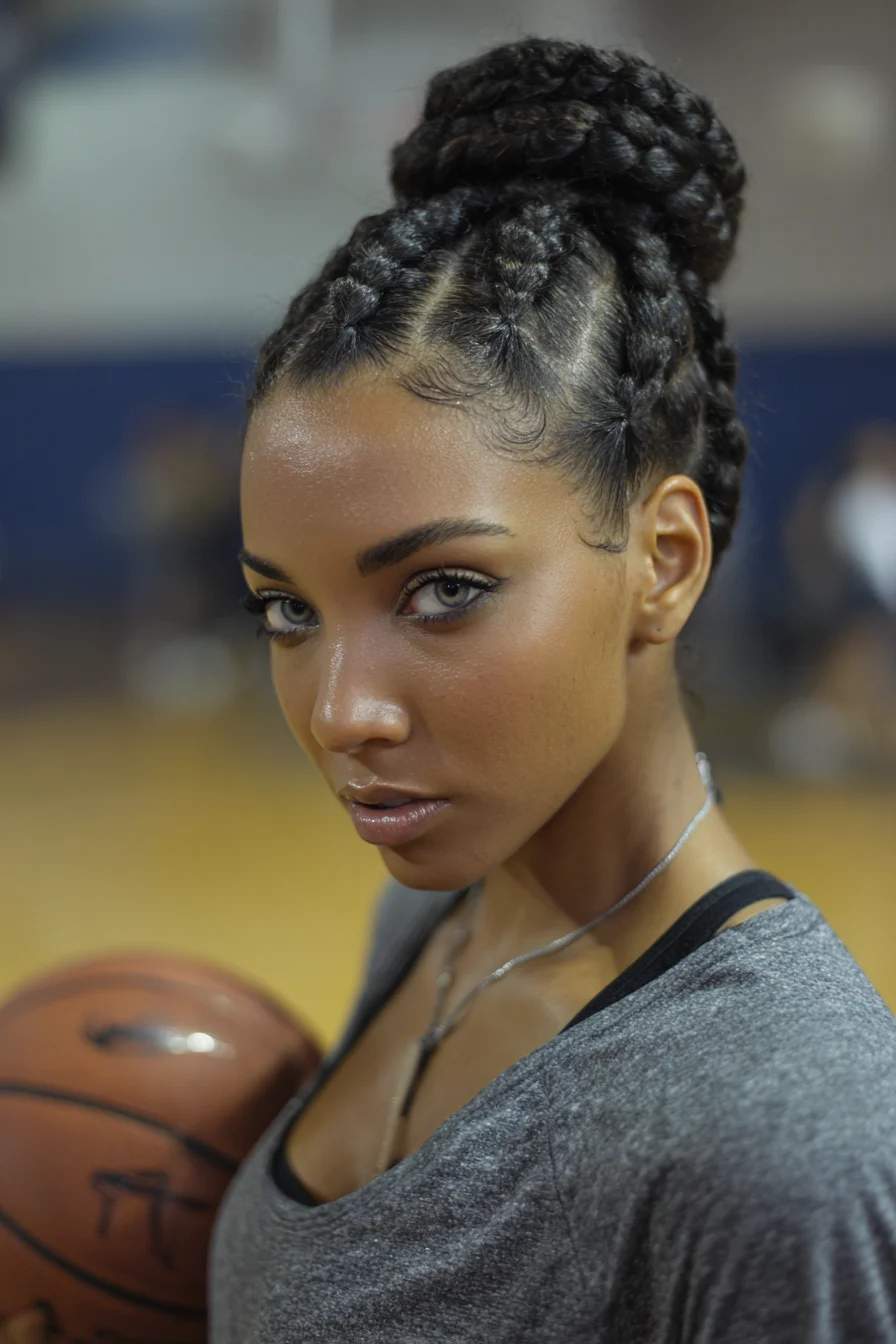
This polished high braided bun combines neat cornrows/Dutch braids into a voluminous topknot — ideal for natural, textured, curly or coily hair and also achievable on straight hair with added feed‑in extensions for bulk. Technique: section the hair into clean parts, create 3–6 Dutch/cornrow braids converging at the crown, secure ends with elastics and wrap or coil the braids into a bun. Smooth and style baby hairs with a small brush. Tools needed: rat‑tail comb, sectioning clips, elastic bands, bobby pins, edge brush/toothbrush and (optional) crochet needle for extensions. Products required: lightweight leave‑in conditioner, holding gel or edge control, light mousse or curl cream, finishing spray and a scalp oil for moisture. Difficulty: intermediate — expect 45–90 minutes depending on length/extension use; easier with practiced braiding or a second pair of hands. Maintenance tips: sleep on a satin scarf/pillowcase, mist scalp weekly, avoid over‑tightening to prevent tension, refresh edges with small amounts of edge control, and plan to redo or remove after 4–8 weeks to maintain scalp health and prevent breakage.
Double Dutch (Boxer) Braids for Medium–Thick Hair
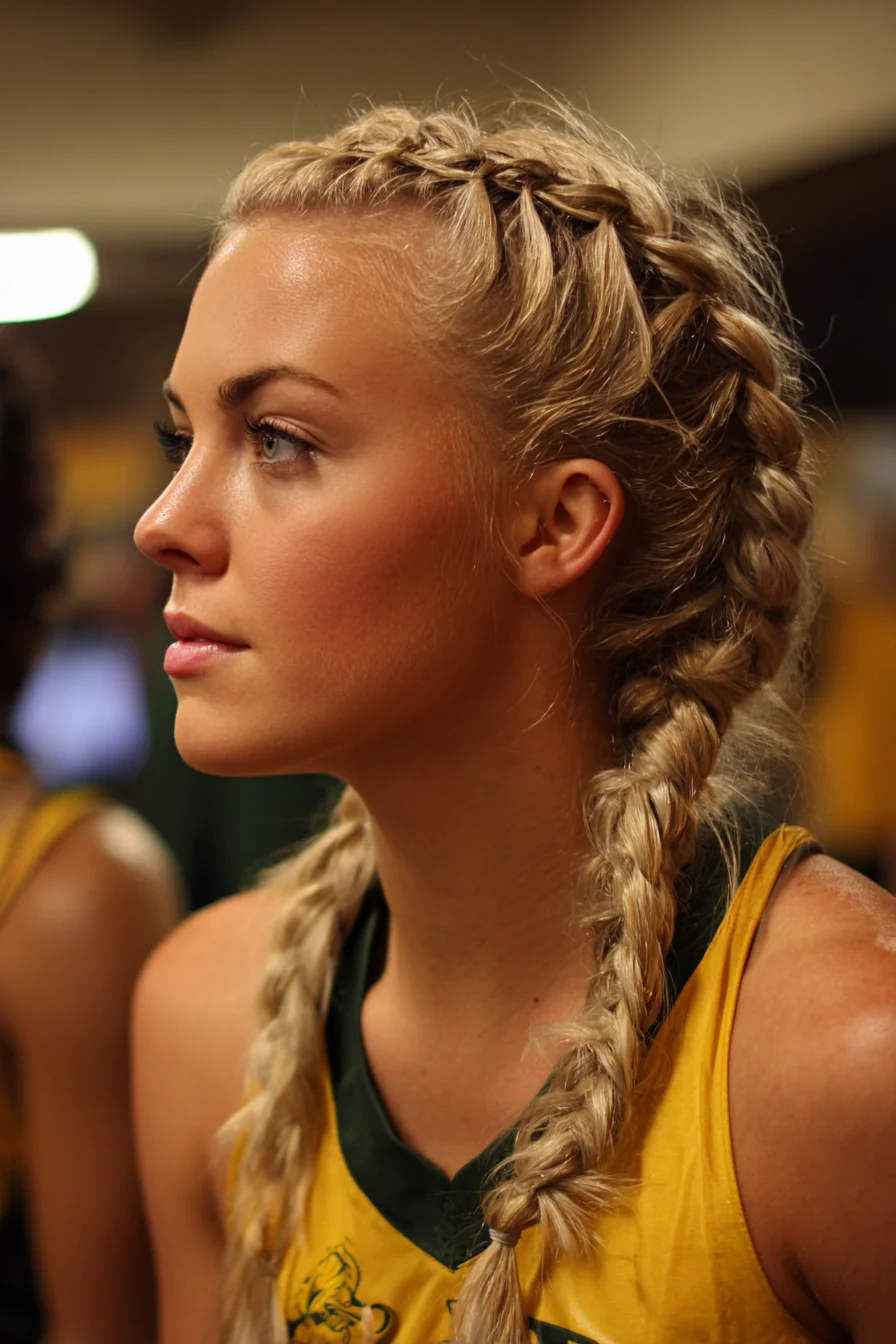
A reliable salon-style look, double Dutch (inside-out) braids provide secure, long-lasting hold for active days. Best suited to medium and thick hair textures — they also work on fine hair when prepped with texture spray or with added extensions for volume. Start on clean, detangled hair with a precise center part. Using a rat-tail comb, clip one side away, then create a tight Dutch braid by crossing outer sections under the center, adding small sections as you move down to the nape; finish both sides into three‑strand braids and secure with low-profile elastics. Tools: rat-tail comb, sectioning clips, elastic bands, bobby pins, and a mirror. Products: leave-in detangler or light styling cream, texturizing or dry shampoo for grip, smoothing serum for flyaways, and a light-hold hairspray to set. Difficulty: moderate — requires consistent tension and some practice; expect 20–35 minutes. Maintenance tips: sleep on a satin pillow or wrap with a scarf, refresh scalp with dry shampoo, smooth edges with a little serum, and redo braids after 2–4 days to prevent breakage. For a softer look, gently pancake the braid loops.
Crown Dutch Braids with Tousled Face‑Framing Pieces
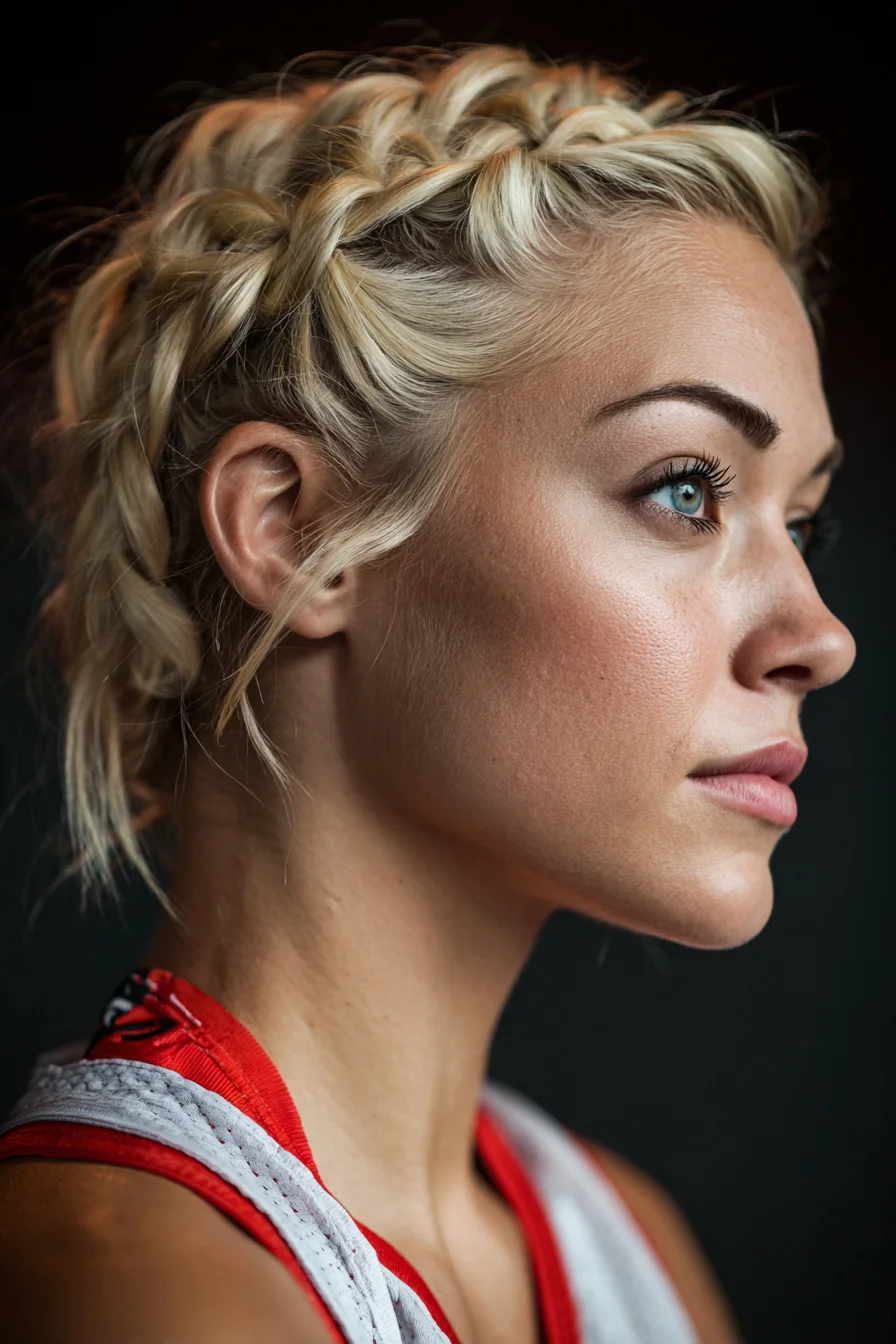
This crown Dutch-braid look suits straight to wavy hair and works well on medium to thick densities; fine hair benefits from texture spray or light clip-in wefts, and curly hair should be stretched or blow-dried slightly for neat braiding. Start with a clean, detangled base; part where desired and section two panels along the hairline. Create Dutch (underhand) braids on each side, adding hair as you move toward the nape, then secure ends with small elastics and either wrap into a low bun or pin the braids along the crown. Gently pancake each braid to widen and soften the look, and pull a few face-framing strands free. Tools: tail comb, sectioning clips, small elastics, bobby pins, and a wide-tooth brush. Products: texturizing/sea-salt spray for grip, light styling paste or pomade for flyaways, medium-hold hairspray, and a smoothing serum for ends. Difficulty: moderate — basic braiding skill required. Maintenance: sleep on a silk pillowcase or wrap with a scarf, refresh with dry shampoo and a light mist, and re-tighten or re-braid every 2–3 days for best longevity.
Cornrow Mohawk with Defined Curly Top — Short Natural Type 3–4 Hair
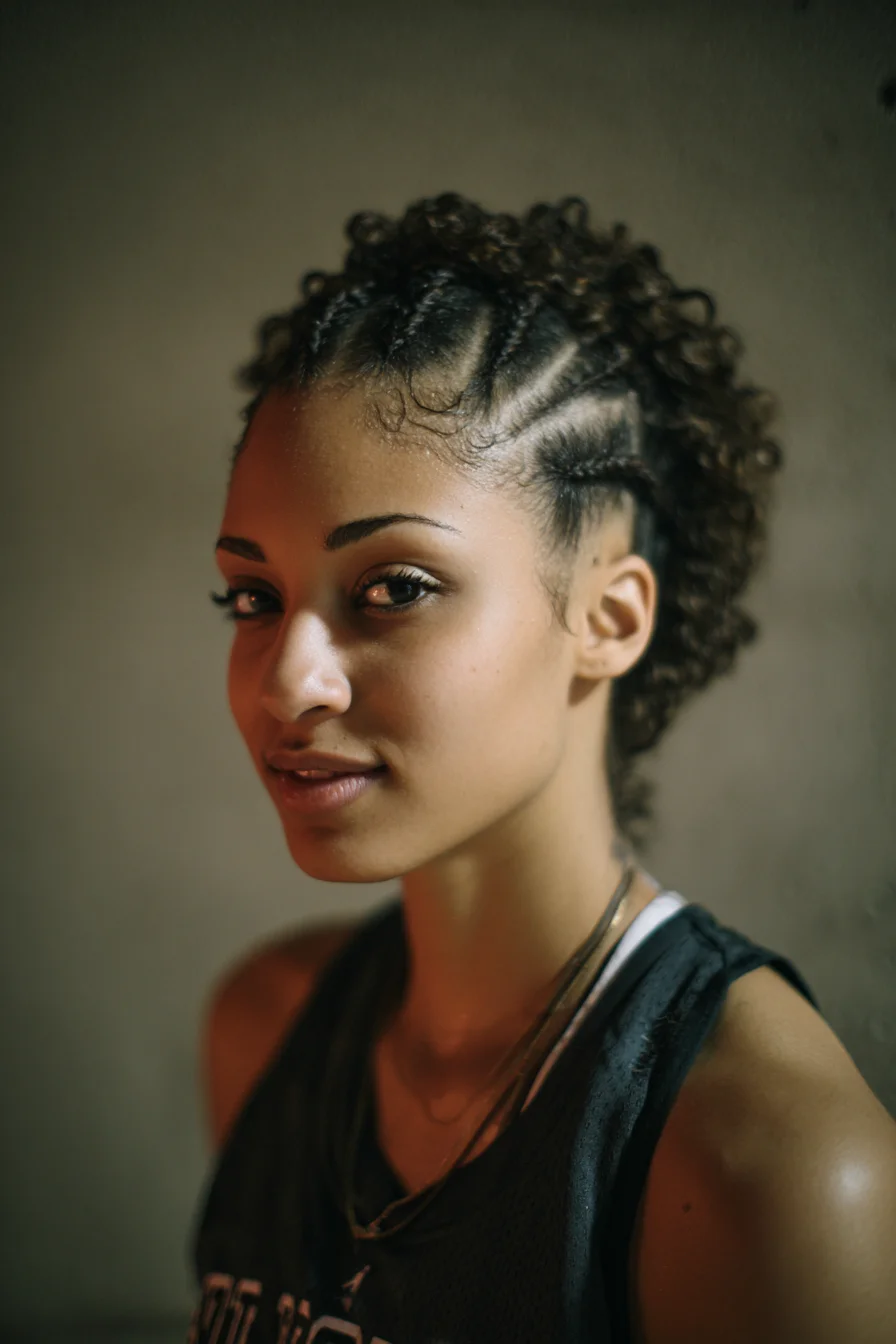
This look pairs neat side cornrows with a textured, defined curly top — ideal for natural short to medium-length Type 3–4 hair. Start with clean, conditioned, detangled hair. Section the sides and create shallow-to-medium cornrows directed toward the crown, leaving the top loose. Use a rat-tail comb for crisp parts and a steady hand or feed-in technique for tapered, even rows. On the top section, define curls with a curl cream or lightweight gel and either use a curl sponge, finger-coil small sections, or do two-strand twists and unravel for springy texture. Tools: rat-tail comb, wide-tooth comb, sectioning clips, small elastics, crochet hook (optional), and a diffuser if you prefer air-dried volume. Products: moisturizing shampoo/conditioner, leave-in conditioner, curl-defining cream, light holding gel/edge control, and a lightweight oil or serum. Difficulty: moderate — requires basic cornrowing skill and experience defining curly textures; expect 45–90 minutes depending on detail. Maintenance: sleep on a silk scarf/bonnet, refresh curls with water + curl cream spritz, reapply edge control as needed, and retouch braids every 2–3 weeks to prevent tension and promote healthy edges.
Textured High Bun with Front Cornrows and Loose Braids
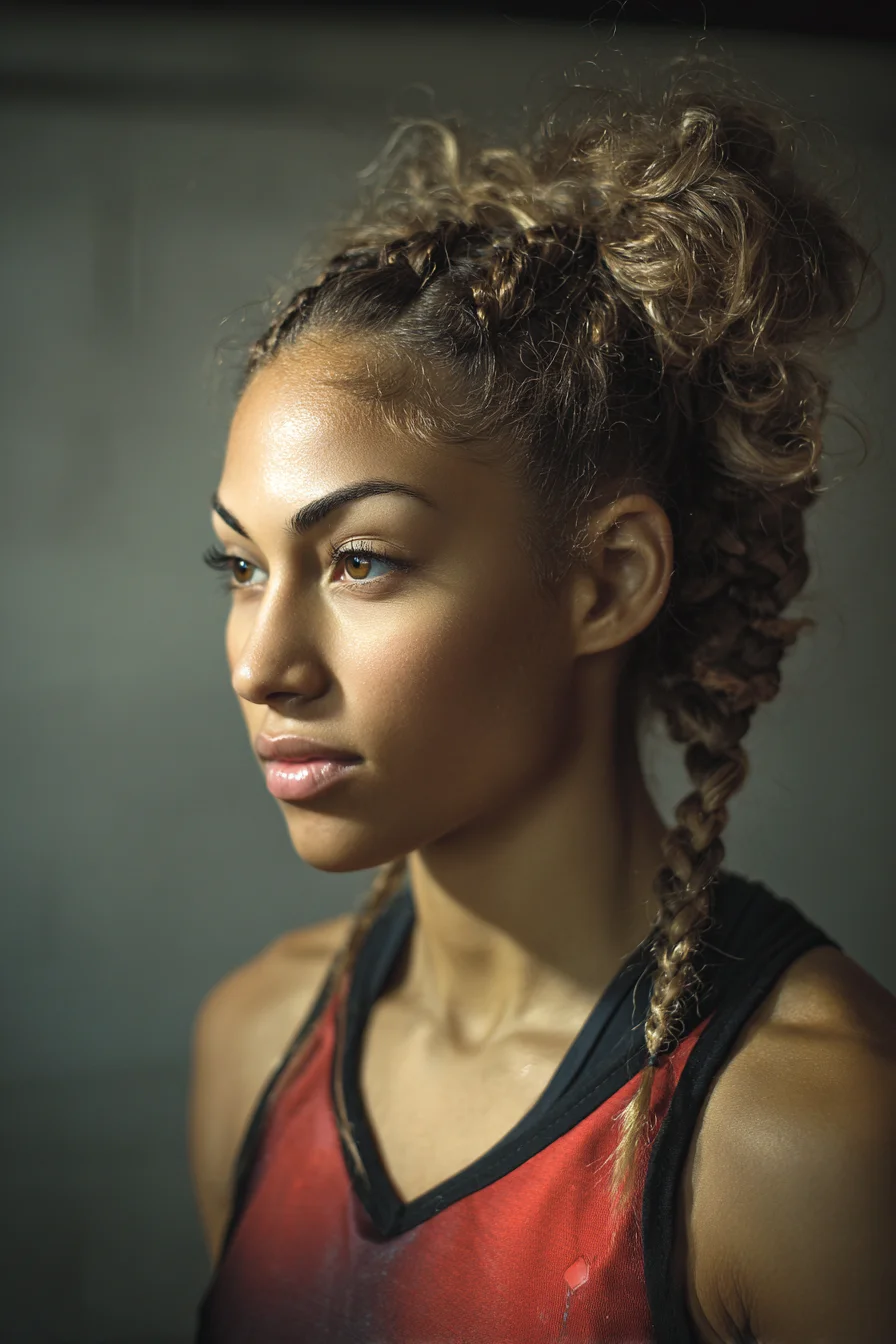
This look suits naturally curly, coily, or thick wavy hair best — it uses your natural texture to create volume in the bun while cornrows at the front keep the style secure. Start by sectioning the front into clean rows and braid cornrows back toward the crown; gather the remaining hair into a high pony and form a loosely textured bun, leaving a couple of braids to hang for detail. Tools required: rattail comb, sectioning clips, wide-tooth comb, elastic bands, small clear elastics, bobby pins, and a diffuser if you’re enhancing natural curl. Products recommended: lightweight leave-in conditioner, curl cream or mousse for definition, strong-hold styling gel or edge control for the cornrows, a texturizing spray for bun volume, and a light-hold hairspray to finish. Difficulty level: intermediate — basic cornrowing and bun construction needed; expect 30–60 minutes depending on skill. Maintenance tips: sleep with a silk scarf/bonnet, refresh edges with gel and a toothbrush, mist with water and leave-in to reactivate curls, oil the scalp lightly to prevent dryness, and avoid excessive tension to protect the hairline.
Textured Double Dutch (Boxer) Braids into Loose Curly Braids
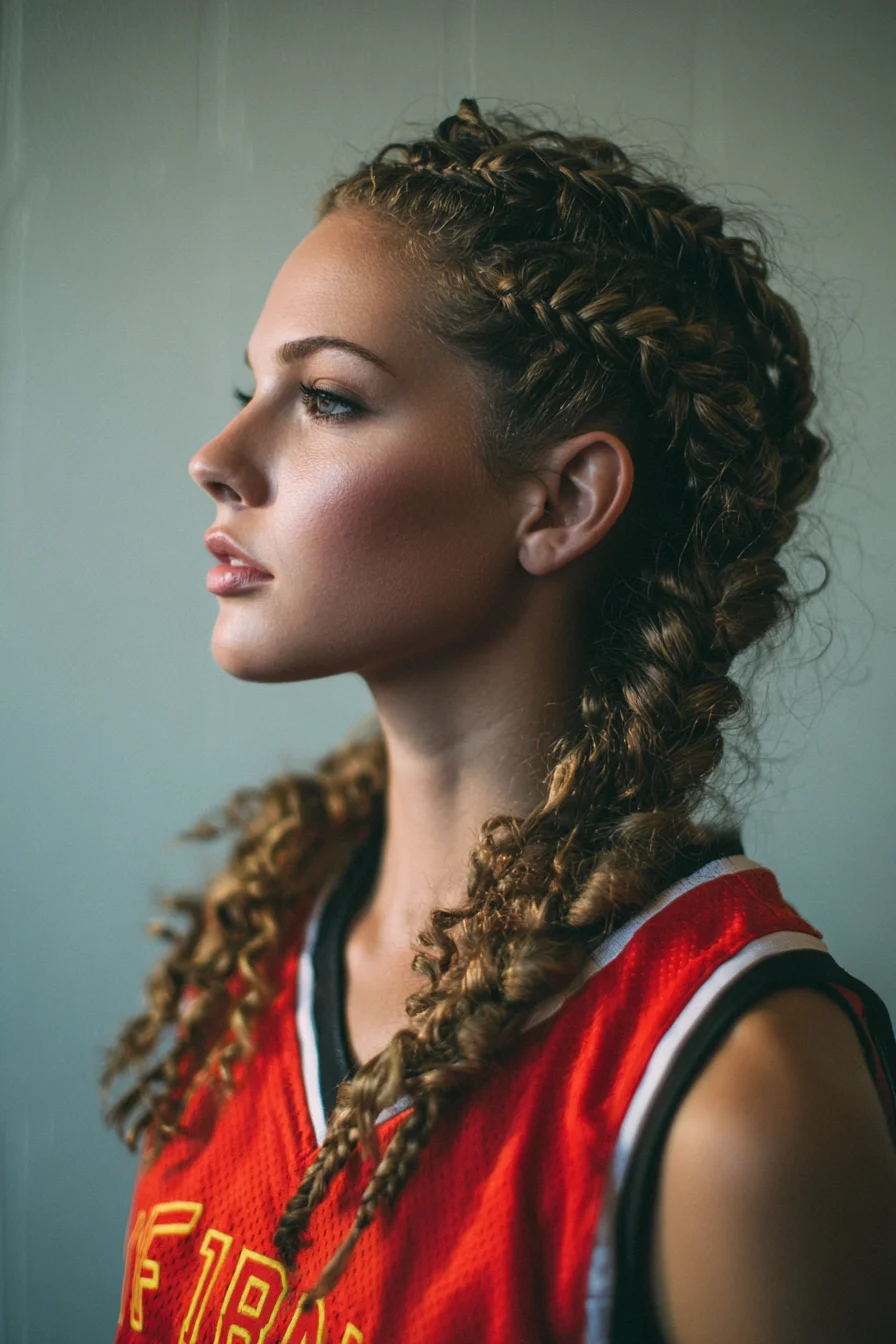
Suitable for medium to thick textures and naturally curly or wavy hair, this look also adapts well to straight hair when pre-textured. Technique: section hair into two symmetrical sides, create tight Dutch (inside-out) braids along the scalp working toward the nape, then continue each braid loosely and finish with a three-strand or rope braid to preserve curl texture. Lightly pancake the outer edges of the scalp braids for width and softness. Tools needed: rat-tail comb for parting, sectioning clips, small snag-free elastics, boar-bristle brush or wide-tooth comb, bobby pins. Products required: lightweight leave-in or curl cream on damp hair, a texturizing or sea-salt spray for grip, light-hold mousse if hair is fine, and a flexible-hold hairspray to set. Difficulty level: intermediate (salon-level technique; expect 30–45 minutes). Maintenance tips: sleep on a silk/satin bonnet or use a silk pillowcase, refresh with water mixed with leave-in or a curl refresher spray, avoid over-tightening at the roots to prevent tension, and re-twist or re-braid loose ends after 3–5 days. Remove after 5–7 days, followed by a gentle cleanse and deep conditioning.
High Chunky Braided Bun with Blonde Highlights — Protective Updo
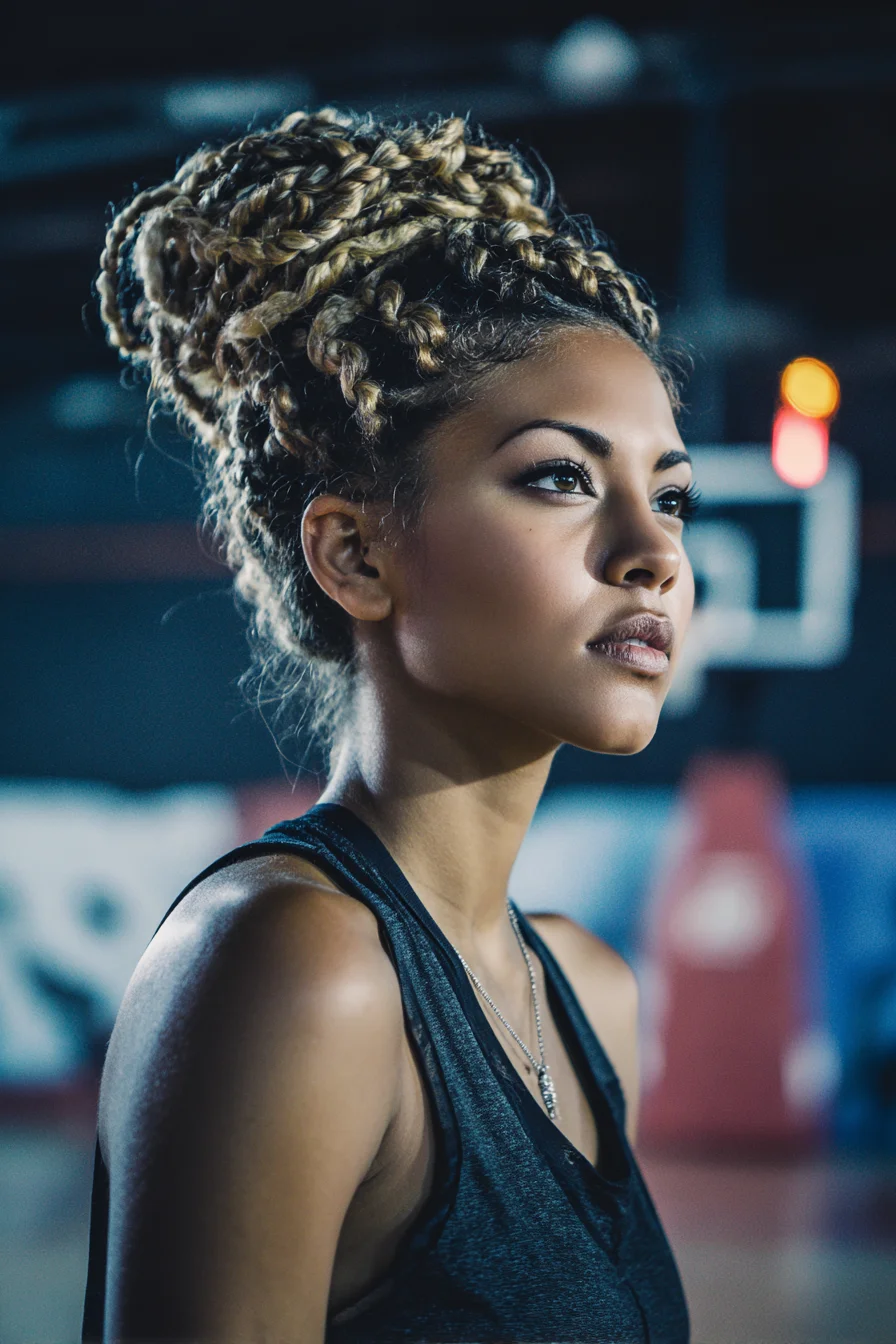
This high chunky braided bun is a voluminous protective updo ideal for textured, curly, or coily hair and for clients adding length or color with extensions. Begin with clean, detangled hair and section into even parts. Create large box braids or two‑strand twists using synthetic or human hair extensions for the chunky look, then gather the finished braids into a high ponytail and wrap them into a bun, securing with elastics and long bobby pins. Tools needed: rat‑tail comb, sectioning clips, elastic bands, sturdy bobby pins and a crochet needle if installing pre‑made braids. Products recommended: moisturizing leave‑in conditioner, lightweight gel or edge control for sleek hairline, anti‑frizz mousse, light scalp oil or spray and a flexible hold hairspray for flyaways. Difficulty level: moderate — basic braiding/twisting skills required; allow 2–5 hours depending on braid size and quantity. Maintenance tips: sleep with a satin bonnet, refresh edges weekly, lightly oil the scalp every 3–4 days, avoid heavy creams to prevent buildup, and plan to wear the style 4–8 weeks with professional removal to protect hair health.
Cornrow Space Buns with Feed‑In Braids for Curly & Thick Hair
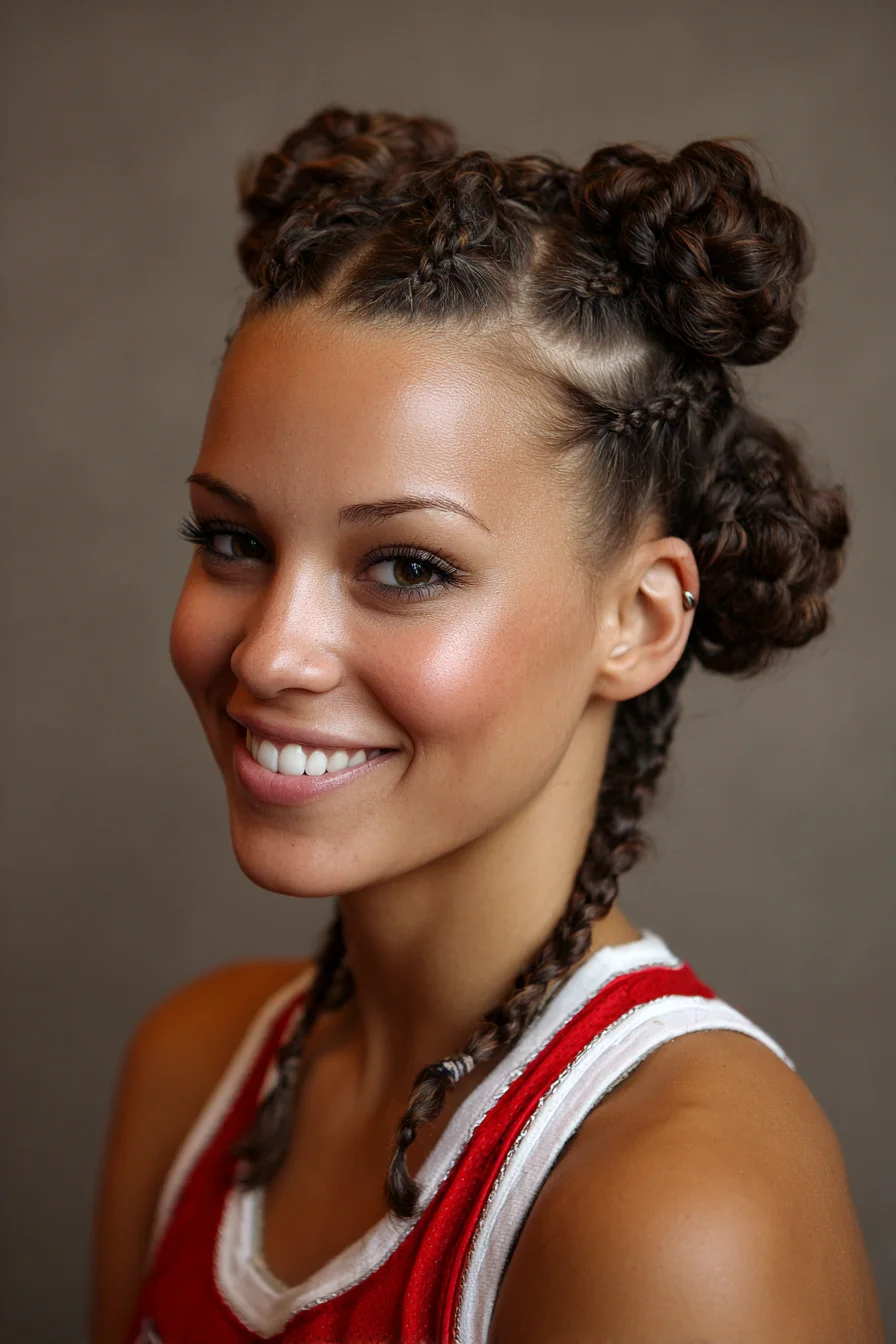
This look combines neat cornrow/feed‑in braids at the scalp with two coiled space buns and a couple of longer braided tails — ideal for textured, curly or thick hair and adaptable for straighter types with added texture. Technique: section the hair into symmetrical panels with a rat‑tail comb, apply a lightweight leave‑in and styling gel, then create small feed‑in or three‑strand cornrows along each section. Gather the ends into two high ponytails, coil each braid into a bun and secure with small elastics and bobby pins. Tools needed: rat‑tail comb, sectioning clips, small elastic bands, bobby pins, a fine toothbrush or edge brush. Products required: hydrating leave‑in, light hold gel or edge control, lightweight oil for shine, and a flexible holding spray. Difficulty level: intermediate — expect 45–90 minutes in a salon depending on braid size and hair density. Maintenance tips: sleep on a silk/satin scarf or bonnet, refresh edges and dry scalp with a little oil between washes, avoid excessive tightness to prevent tension, and redo or touch up edges after 1–2 weeks for best longevity.
Double Dutch Boxer Braids with Micro Cornrow Accents
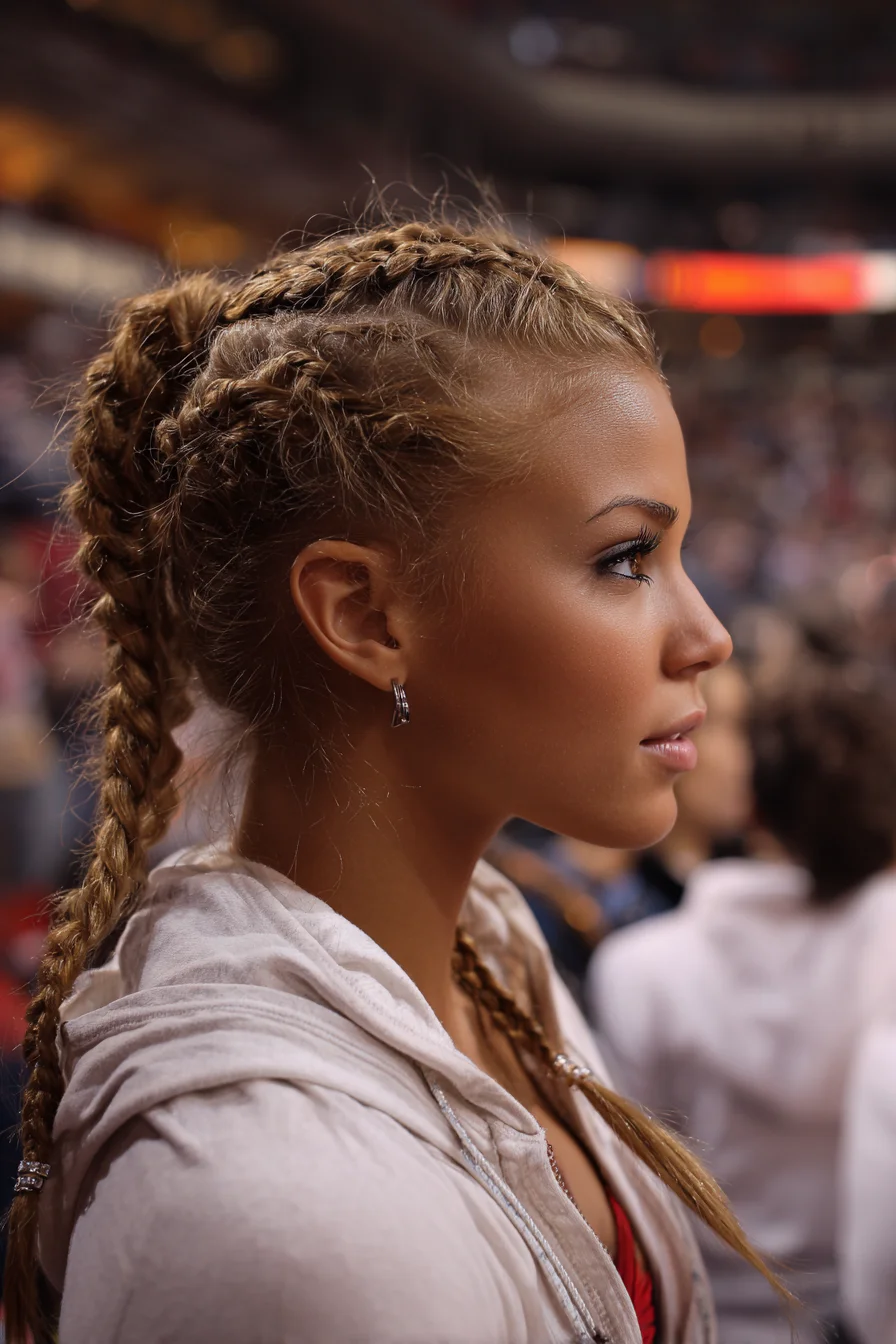
This look suits medium to thick hair and straight-to-wavy textures best; curly hair can be stretched or blow-dried first and extensions added for length or fullness. Start on dry, detangled hair with a clean center part. Create small, parallel micro cornrows along the hairline on each side, feeding hair into two larger Dutch (inside-out) braids that continue down the nape and finish as secure three-strand braids. Key salon tools: rat-tail comb for parting, sectioning clips, a fine-tooth comb, elastic bands (small clear or covered), a soft boar-bristle brush and optional extension loop. Recommended products: lightweight leave-in conditioner, smoothing cream or cream gel, firm-hold braiding gel or edge control for flyaways, texture spray for grip, and a flexible-hold hairspray to set. Skill level: intermediate — requires clean, tight feeding and even tension to keep cornrows neat. Maintenance tips: sleep on a silk pillowcase or wrap with a silk scarf, refresh edges with a bit of edge control, lightly oil the scalp and braid roots weekly, and expect to re-tighten or redo after 2–4 weeks depending on growth and activity level.
Side Dutch Braid Half-Up with Loose Beach Waves
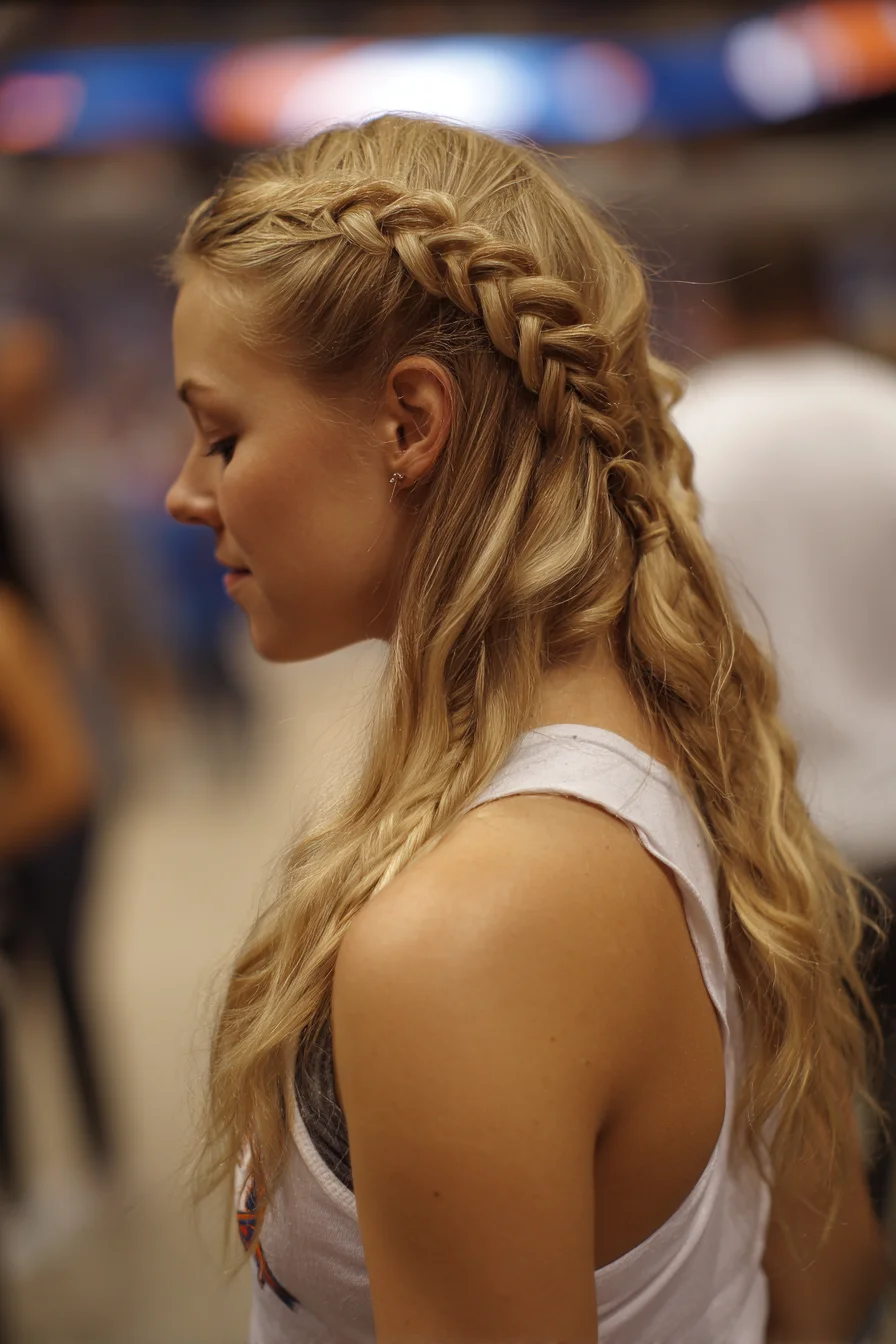
This half-up style pairs a deep side Dutch (reverse French) braid with loose, beachy waves — ideal for medium to long lengths and straight to wavy textures. It works particularly well on fine-to-medium density hair; thick hair can be thinned or sectioned more narrowly for the same look. Technique: create a side Dutch braid starting at the hairline and feed in hair as you move toward the back, secure with a small elastic, then gently pancake the braid to widen and soften it. Leave the remaining lengths in loose curls or undone waves for a relaxed finish. Tools: tail comb, sectioning clips, small clear elastics, 1–1.25
Textured Dutch Crown Braids Flowing into Loose Boho Braids for Curly/Wavy Hair
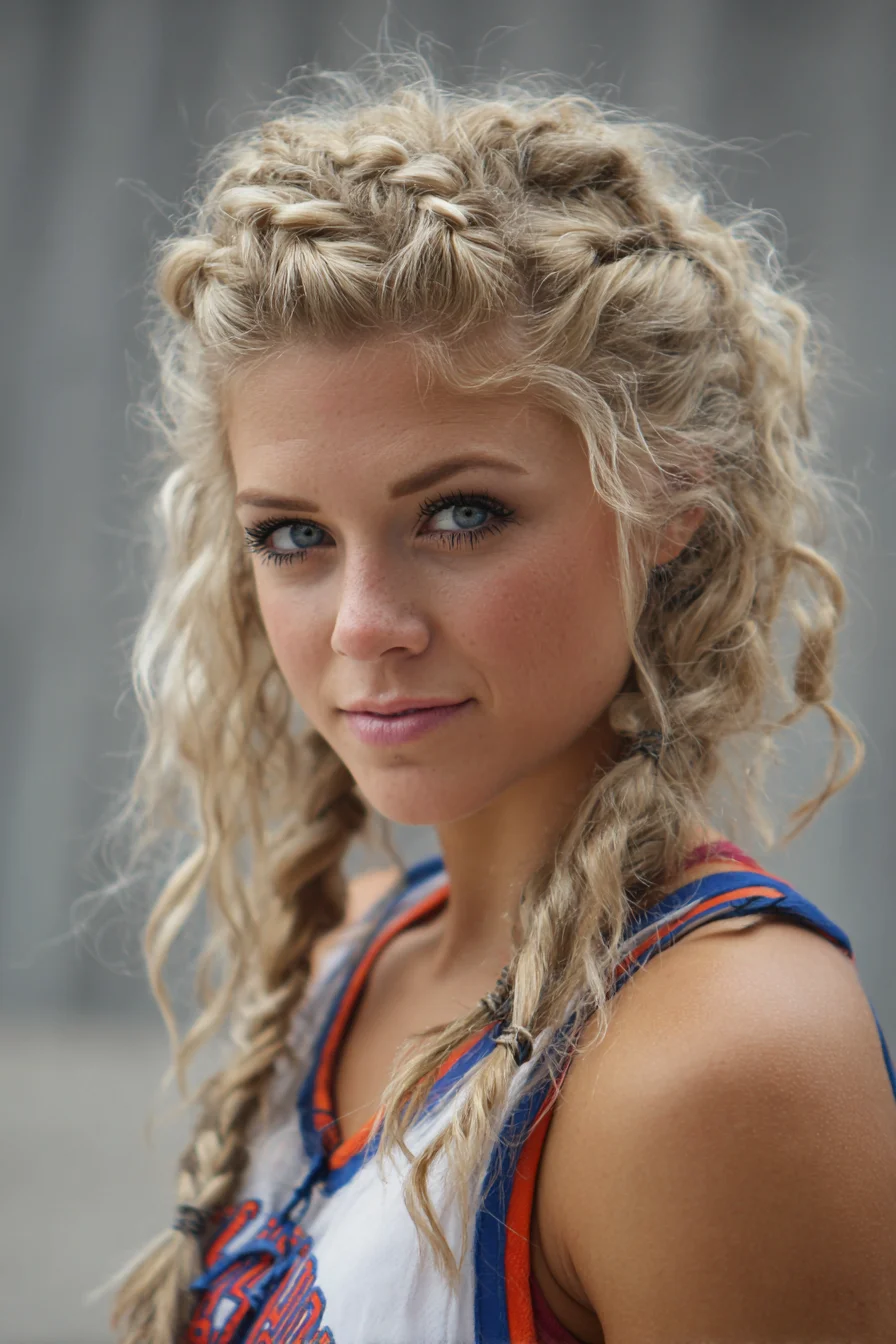
This look suits wavy to naturally curly hair and mid‑to‑thick textures best — fine hair can still achieve it with a texturizing spray, powder, or light clip‑in pieces for volume. Start on damp or lightly towel‑dried hair: apply mousse or curl cream for definition, then mist with sea‑salt or texturizing spray for grip. Create a deep center part and Dutch‑braid (underhand) two sections from the hairline across the crown, incorporating hair into each braid and continuing them down the sides into loose three‑strand braids. Gently pancake each braid for width and pull out a few face‑framing tendrils to soften the look. Tools: rat‑tail comb, sectioning clips, small clear elastics, bobby pins, and a blow‑dryer with diffuser (optional). Products: curl cream or mousse, texturizing spray, lightweight oil or serum for ends, and flexible‑hold hairspray. Difficulty: intermediate — 30–45 minutes in salon hands; allow extra time when learning. Maintenance: sleep on a silk pillowcase, refresh texture with misted sea‑salt spray, retighten elastics as needed, and avoid heavy products at the roots to keep lift and hold for 2–3 days.
High Curly Textured Bun with Face‑Framing Ringlets
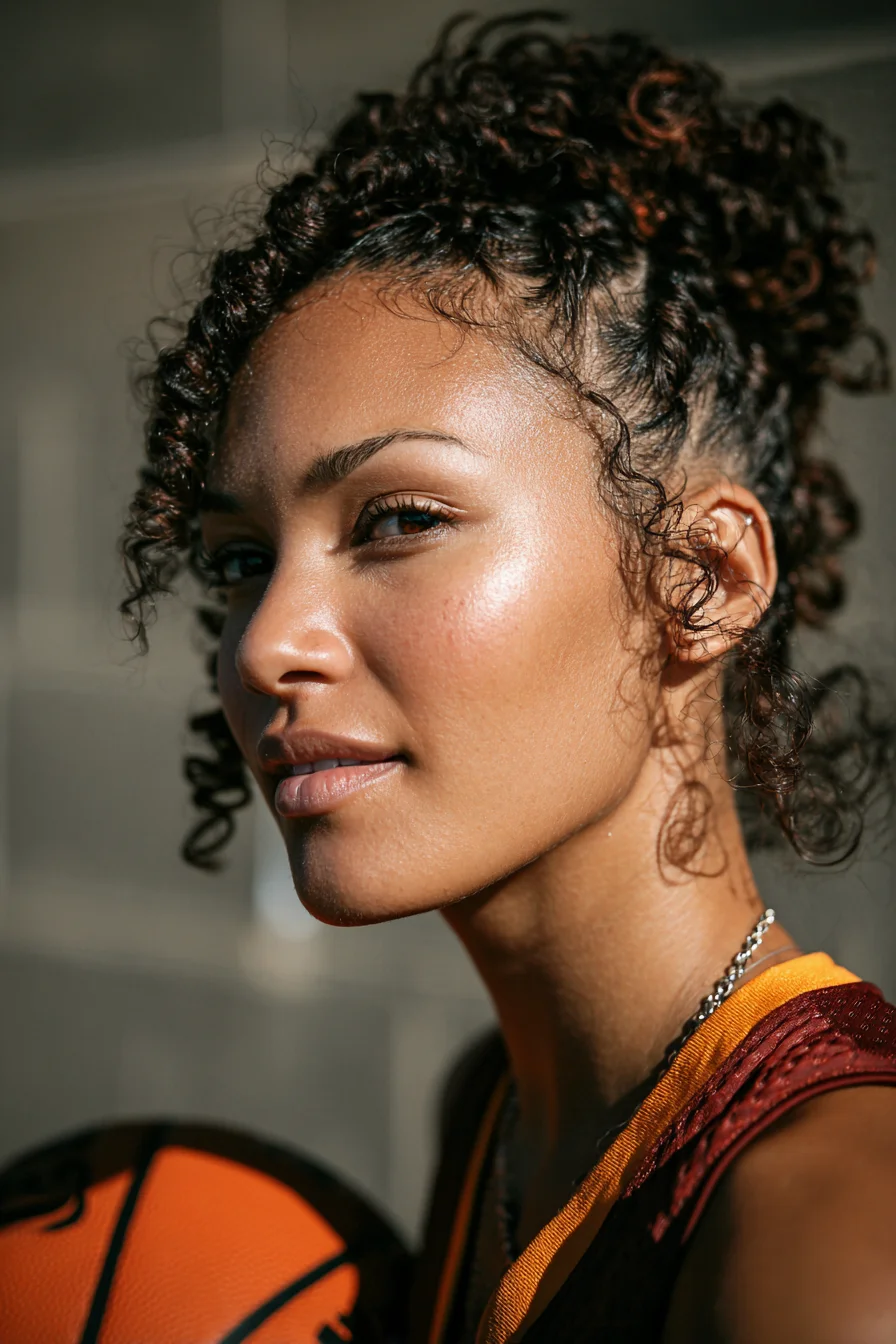
A versatile salon-ready style that highlights natural curl definition while keeping hair off the face. Best suited to 3A–4A curl patterns and textured permed hair; wavy 2C hair can adapt with extra product, while finer hair benefits from root lift or a small padding. Start on clean, conditioned hair: apply a leave-in conditioner and a curl cream or light gel, then detangle gently with a wide-tooth comb. Use shingling or scrunching to define individual ringlets. Gather hair into a high pony using a snag-free elastic, twist the pony into a loose bun and secure with bobby pins, allowing a few face‑framing curls to remain free. Smooth baby hairs with an edge control and a small brush for a polished finish. Tools needed: wide-tooth comb, rat-tail comb (for parts/edges), elastics, bobby pins, clips, and a diffuser for quicker drying. Products: sulfate-free shampoo, moisturizing conditioner, leave-in, curl cream or gel, edge control, light oil/serum. Difficulty: moderate (15–30 minutes). Maintenance: sleep on a silk scarf/bonnet, refresh with water + leave-in or curl refresher spray, re-scrunch curls and re-pin as needed, and deep-condition weekly to retain moisture.
Cornrowed High Bun with Curly Top and Face‑Framing Tendrils
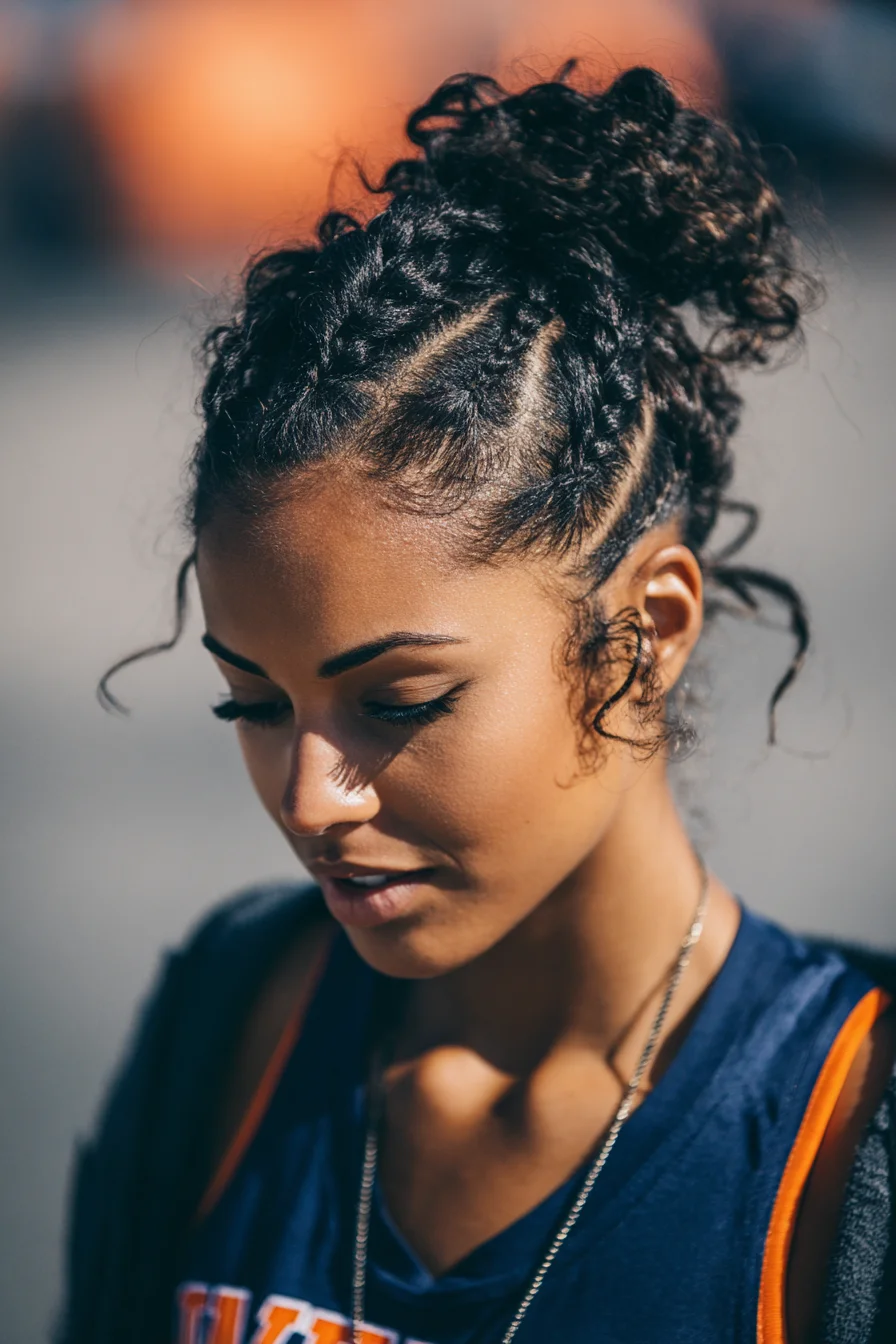
This look works best on type 3–4 textured hair or relaxed hair with strong curl pattern and good density; extensions can be added for extra volume. Technique: create clean, even partings and cornrows or flat twists from the hairline toward the crown, stopping where you want the bun. Gather the remaining hair at the crown into a high, slightly loose bun, leaving a few curly tendrils around the face for softness. Tools: rat-tail comb, sectioning clips, elastic band or donut, bobby pins, small edge brush, and optional crochet needle for extensions. Products: moisturising leave-in, curl cream or mousse to define tendrils, medium-hold gel or edge control for neat parts, lightweight oil or serum for shine, and a light-hold hairspray. Difficulty: intermediate — requires neat parting and basic cornrowing; a stylist is recommended for flawless symmetry. Maintenance tips: sleep with a satin bonnet or scarf, refresh edges lightly with edge control, mist scalp and braids weekly with a water-based moisturizer, avoid over-tightening to protect the hairline, and retouch cornrows every 2–4 weeks depending on new growth and style longevity.
Side Feed-In Cornrow to Voluminous Textured Bubble Braid
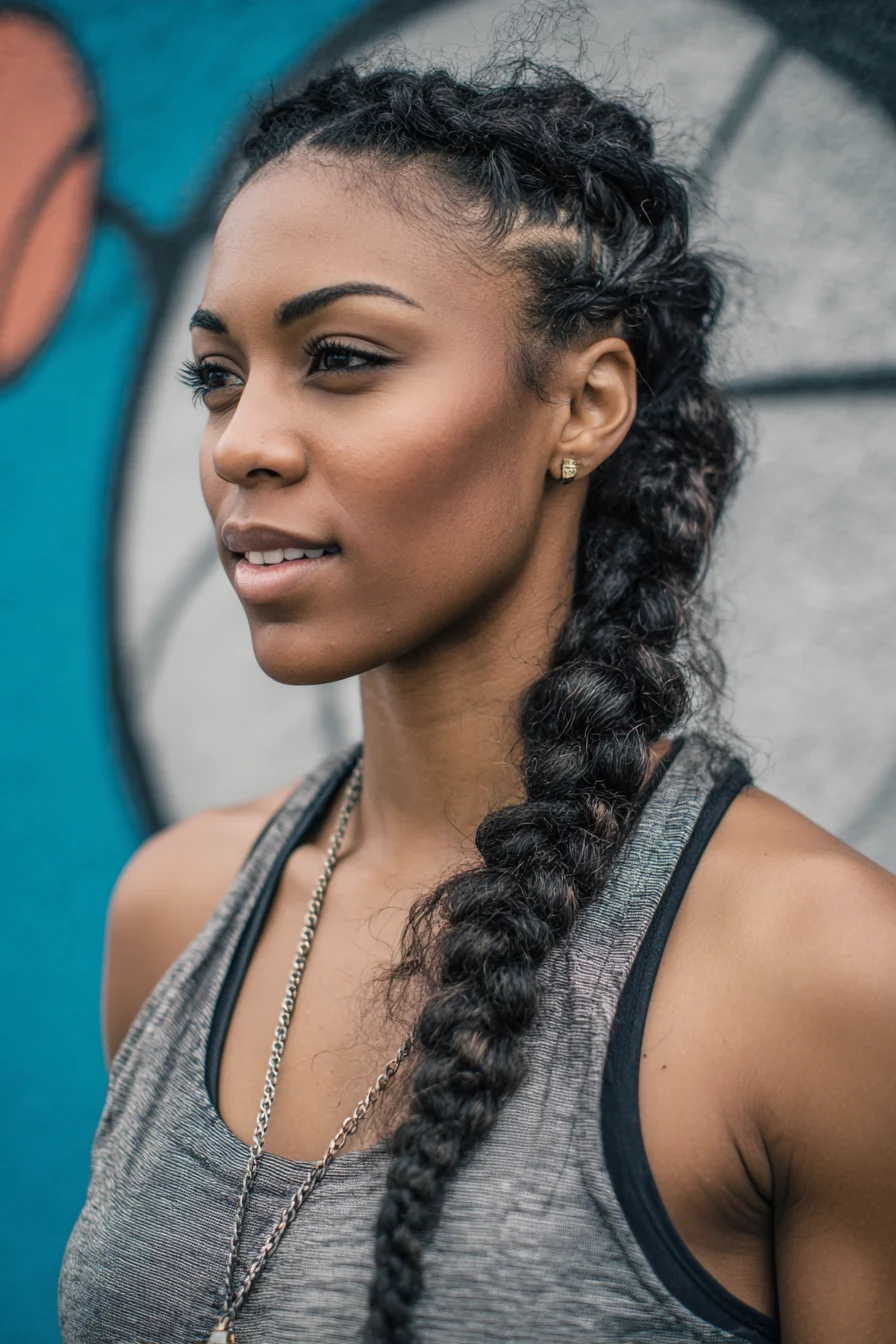
This side feed-in cornrow flowing into a voluminous textured bubble braid is ideal for medium-to-long natural curly, coily, or wavy hair (3A–4C). It also works well with clip-in or sewn-in extensions to boost length and thickness. Technique: detangle and apply a leave-in and light oil, create a deep side part, then braid a feed-in cornrow along the hairline to collect hair into a low side ponytail. Secure the ponytail and place small clear elastics every 2–3 inches; gently pancake or puff each section to form the bubble effect. For extra hold, feed additional hair into the braid as you work. Tools needed: rat-tail comb, sectioning clips, small clear elastics, soft-bristle brush, edge brush and clip. Products required: moisturizing leave-in, lightweight oil or butter, firm edge-control gel, light-hold spray or mousse. Difficulty level: Intermediate — requires basic cornrow/feed-in skill and even pancaking; plan 30–60 minutes depending on length and extensions. Maintenance tips: sleep on a satin scarf or bonnet, refresh edges with gel, lightly mist scalp with a moisturizing spray, avoid over-manipulation, and tighten or redo elastics after 7–10 days to prevent frizz and breakage.
Textured High Crown Dutch Braids with Fishtail Ends
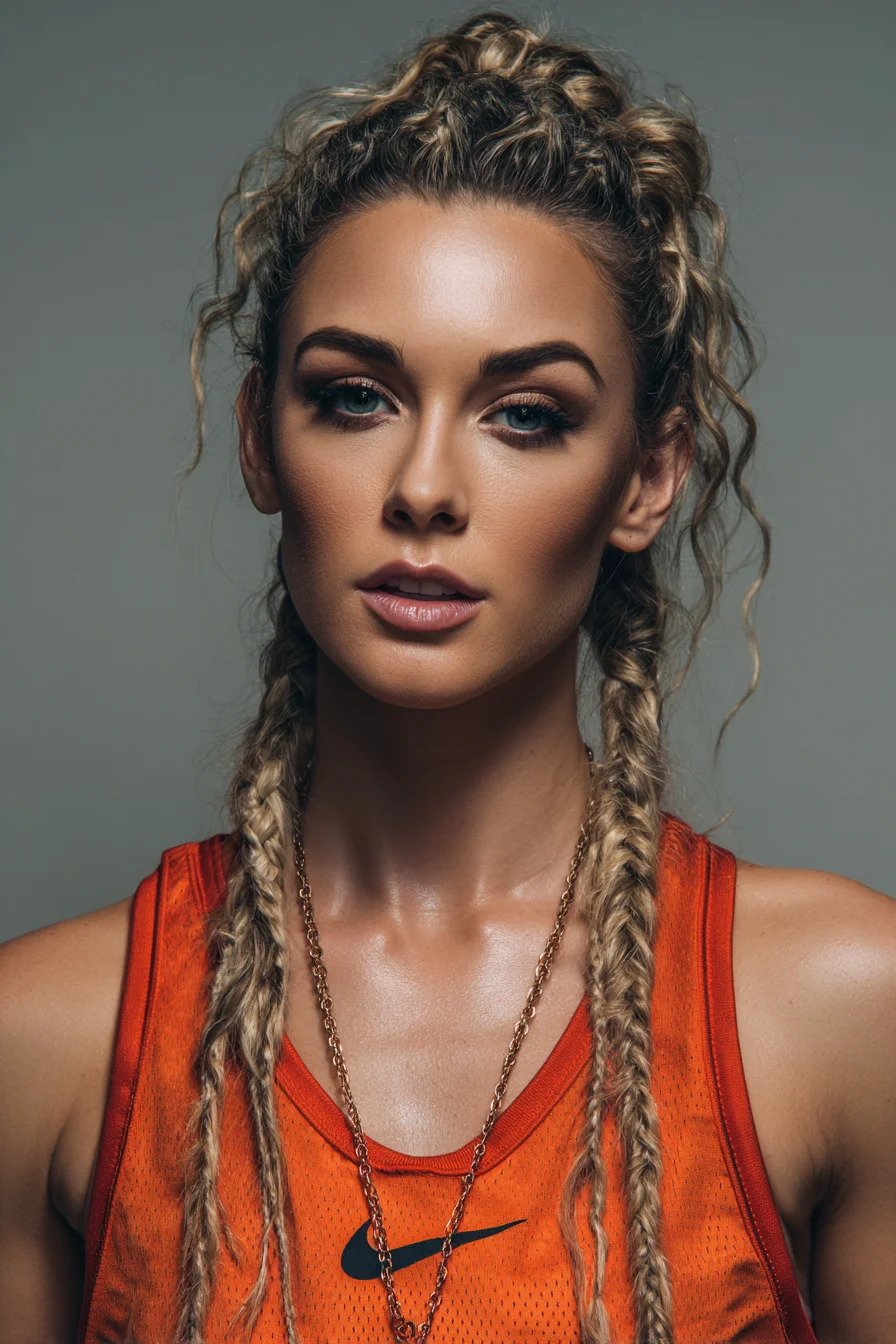
This look suits medium to thick hair and naturally wavy or curly textures best — fine hair can achieve the shape with added extensions or significant texturizing. Start on towel-dried hair sprayed with sea-salt or texturizing mist and a light heat protectant if you blow-dry or diffuse. Section a top crown area and create a slightly pulled-apart Dutch braid along the hairline to build height and texture, securing it at the back. From the temples or nape, create two long fishtail (or three-strand) braids and pancake them gently for fullness. Tools: fine-tooth tail comb, sectioning clips, small clear elastics, bobby pins, and a diffuser if enhancing natural curl. Products: texturizing spray, lightweight styling gel or pomade for edges, a smoothing serum for ends, and medium-hold hairspray. Difficulty: intermediate — expect 25–45 minutes depending on length and thickness. Maintenance: sleep with a silk scarf, refresh braids with dry shampoo and a little oil on the ends, and re-tighten elastics or pins after 2–3 days. Avoid over-brushing and refresh texture with misting and light re-pancaking.
Textured Braided Mohawk: Cornrows into a Thick Rope Braid
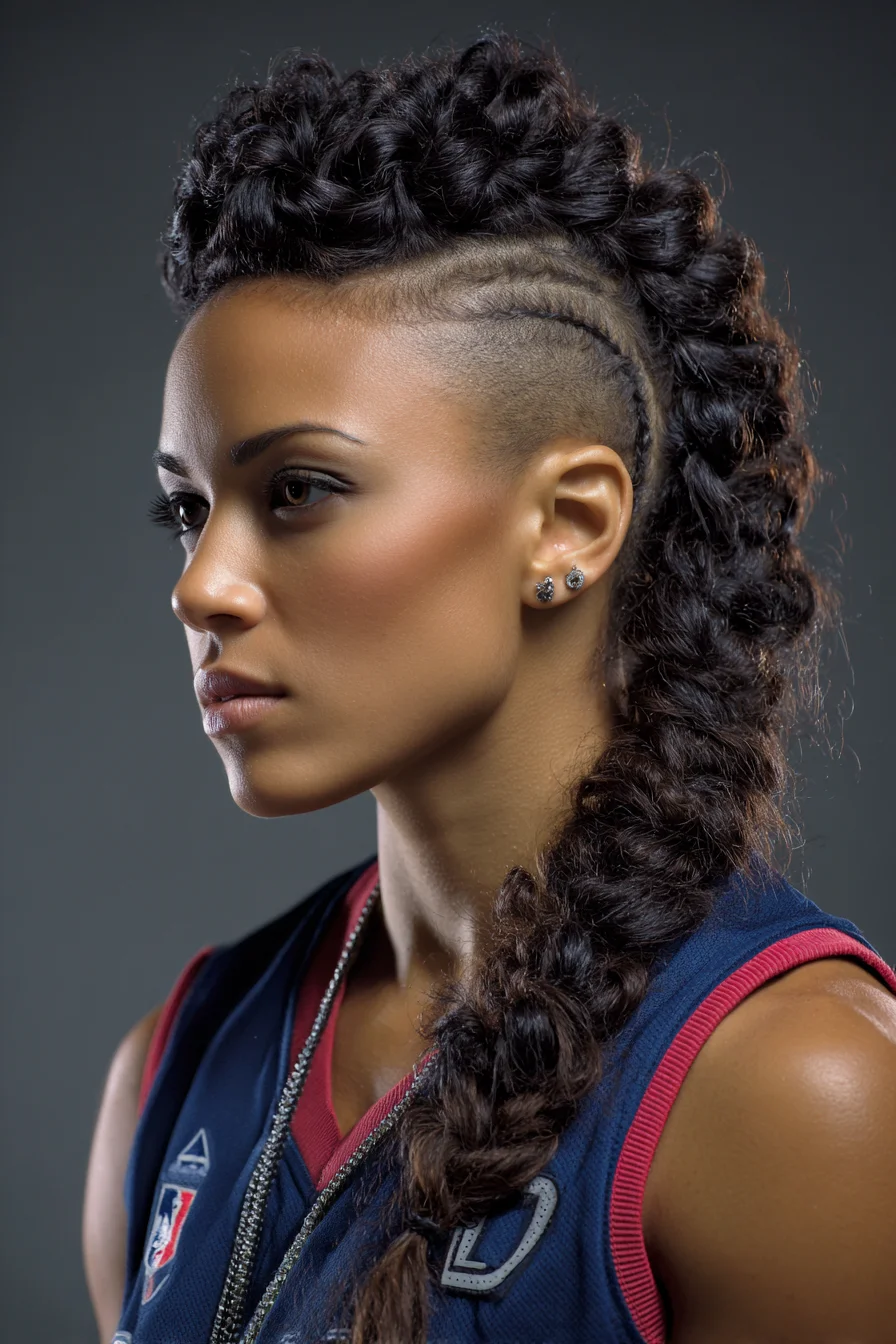
This bold braided mohawk suits medium to very thick, textured, curly or coily hair best — it can be adapted for finer hair with added extensions. Begin on stretched, detangled hair: clipper the sides for an undercut or clean fade, then section and create 2–4 parallel cornrows on each side feeding toward the center. Gather the remaining center hair and either Dutch-braid or rope-braid down the crown, gently pancaking the braid for a fuller, textured look. Tools: clippers, rattail comb, sectioning clips, small elastics, bobby pins, and a soft bristle brush; use a crochet hook and synthetic hair if adding extensions. Products: moisturizing leave-in, lightweight pomade or edge control for crisp parts, setting gel for cornrows, mousse for body, a light oil for shine, and flexible-hold hairspray. Difficulty: intermediate — requires clean parting and even tension; allow 60–120 minutes depending on extensions. Maintenance: sleep on a silk scarf or bonnet, refresh edges with edge control, lightly mist scalp with a water-leave-in mix, avoid heavy buildup, and plan to redo tight cornrows or tensioned styles every 3–6 weeks to protect the hairline.
Textured Double Dutch Braids with Face‑Framing Pieces
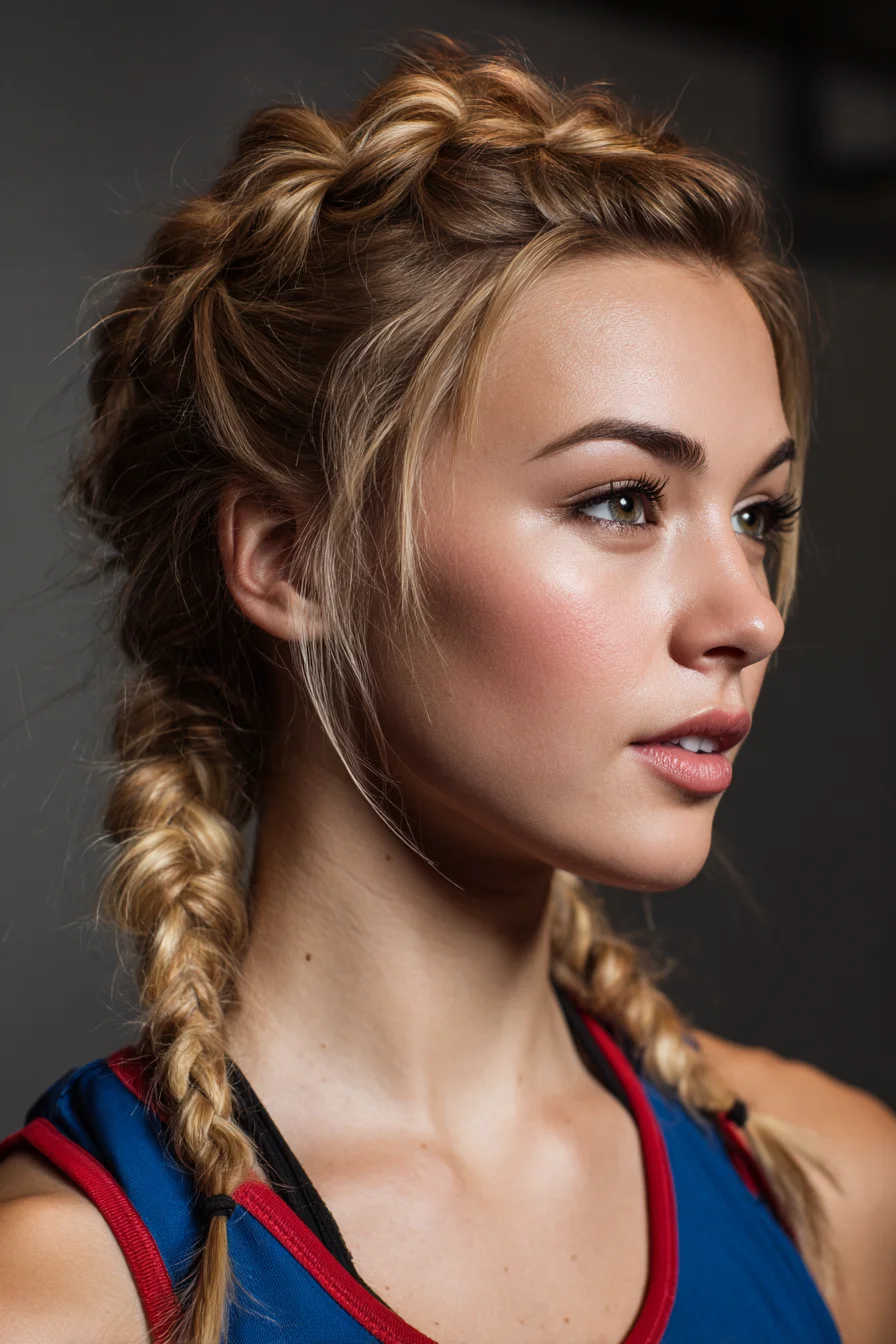
This look suits medium to long lengths and works best on straight to wavy hair or slightly layered textures; thicker hair gives more visible volume, while fine hair benefits from texturizing products. Start on damp or dry hair sprayed with sea-salt or texturizing spray for grip. Create a clean center or slightly off-center part, then section and begin Dutch braiding (underhand) from the hairline to the nape, gently pancaking each braid to widen it and pull small face-framing strands loose for softness. Secure ends with small elastic bands and lightly tug sections to create an undone, lived-in finish. Tools needed: fine-tooth tail comb, sectioning clips, elastic bands, paddle brush or boar-bristle brush, and a teasing brush for root lift. Recommended products: texturizing spray or mousse, light-weight serum for ends, dry shampoo for second-day texture, and a flexible-hold hairspray to lock shape. Difficulty: moderate — requires basic braiding skills and patience (30–45 minutes). Maintenance: sleep on a silk pillowcase or use a loose bonnet, refresh with dry shampoo and re-pancake braids daily, retighten roots as needed and avoid heavy oils at the scalp to keep grip.
Textured Braided Updo with Mini Twists and Curly Crown
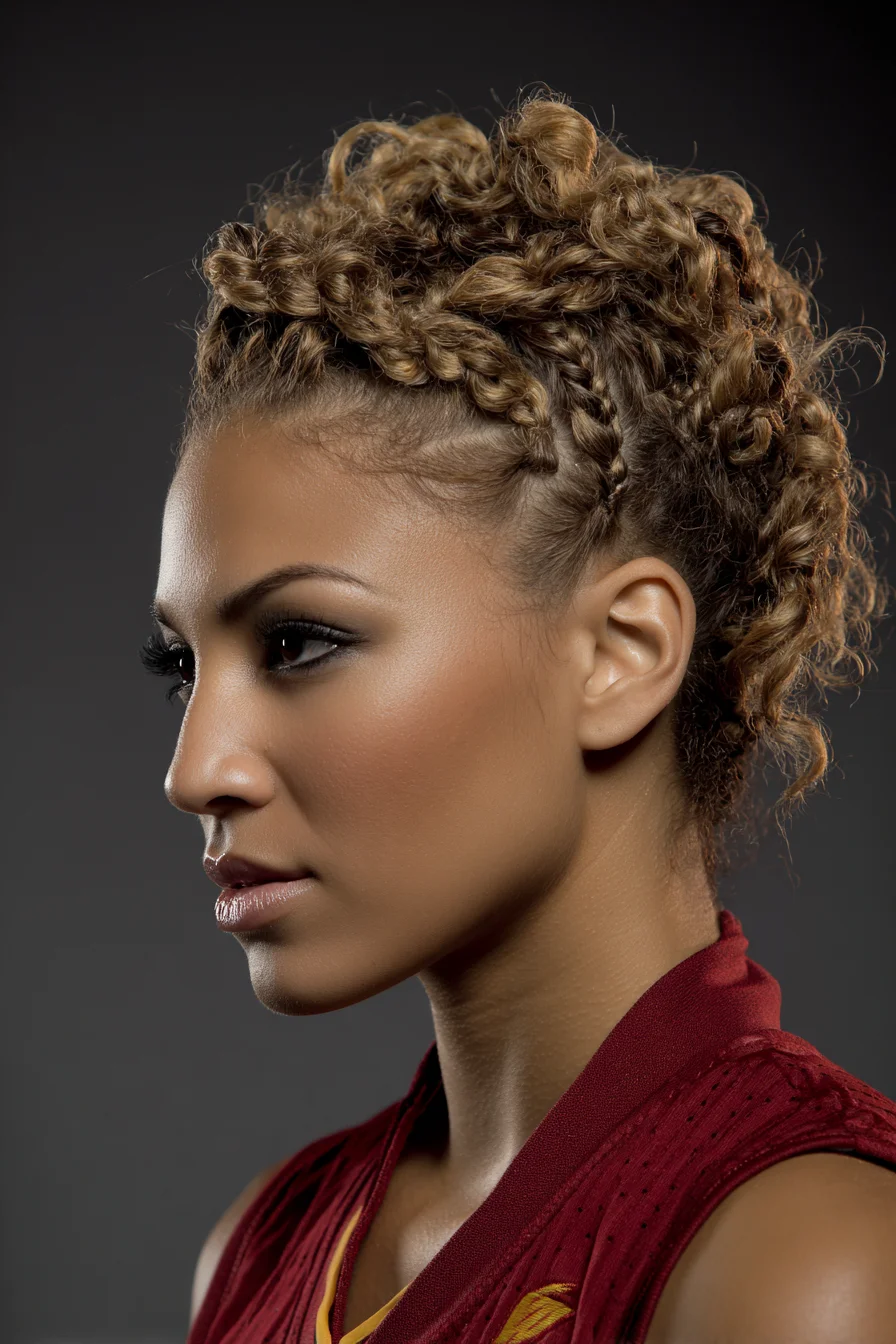
This polished textured updo works best on naturally curly, coily, or wavy hair (3A–4C) and medium to high density; fine hair can achieve the look with added clip-in extensions for volume. Start by detangling and applying a lightweight leave-in conditioner. Section the hair and create small flat braids/cornrows or mini twists along the sides and back, directing them toward the crown. Leave the top and ends out to form defined curls or two-strand twists, then gently open and pin the twists into a soft, voluminous crown to create the textured finish. Tools: rat-tail comb, sectioning clips, small elastics, bobby pins, duckbill clips, diffuser (optional). Products: leave-in conditioner, curl cream or defining mousse, light gel or edge control for sleek parts, finishing spray, and a shine serum or lightweight oil. Difficulty: moderate — requires clean parting and basic braiding/twisting skills; allow 60–90 minutes. Maintenance: sleep with a silk/satin scarf or bonnet, refresh curls with water + curl cream or mist, re-pin loose sections as needed, and deep-cleanse the scalp every 2–3 weeks to prevent product buildup. Ideal as a protective and stylish option for active clients.
Textured Short Crown Braid with Side‑Swept Fringe for Red Hair
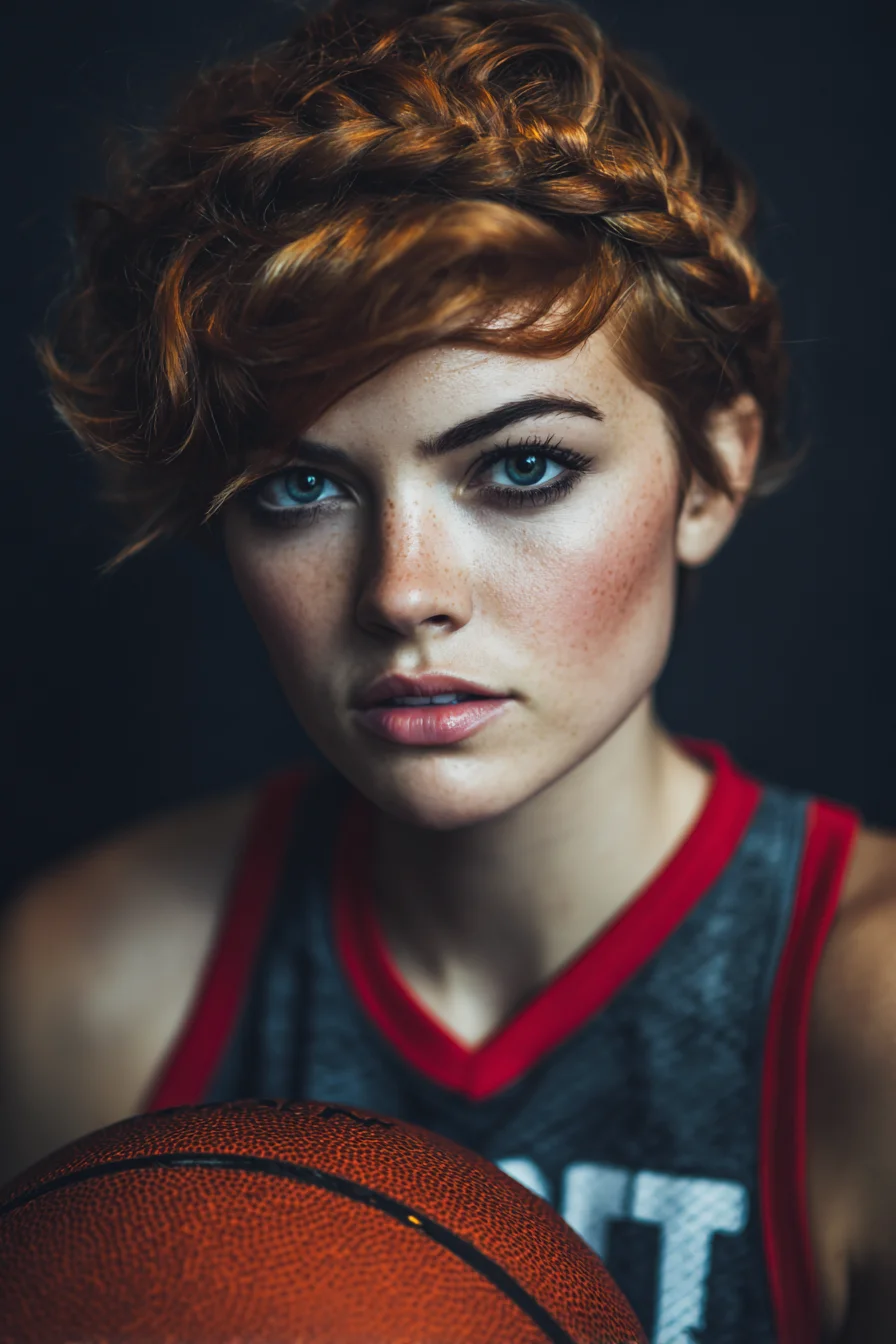
This style suits short to short‑medium lengths and works best on fine to medium‑thick hair with natural texture or a slight wave. Start on towel‑dried hair treated with a heat protectant and a lightweight mousse or texture spray to add grip. Create a deep side part and take a front section to braid (French or Dutch) across the hairline to form a crown; secure the end behind the ear with bobby pins and gently pancake the braid for volume. Use a 1″ curling wand or flat iron to bend the remaining fringe and short layers for soft movement. Tools: tail comb, sectioning clips, small elastic, bobby pins, curling wand, and a boar‑bristle brush. Products: heat protectant, sea‑salt or texturizing spray, light mousse, small amount of pomade for piecey definition, and flexible‑hold hairspray. Difficulty: moderate — allow 15–30 minutes depending on experience. Maintenance: sleep on a silk pillowcase, refresh texture with dry shampoo or spray, tighten pins as needed, and use color‑protecting shampoo/weekly mask for red tones to keep color vibrant.
High Pineapple Curly Puff with Bandana — Natural Curly Updo
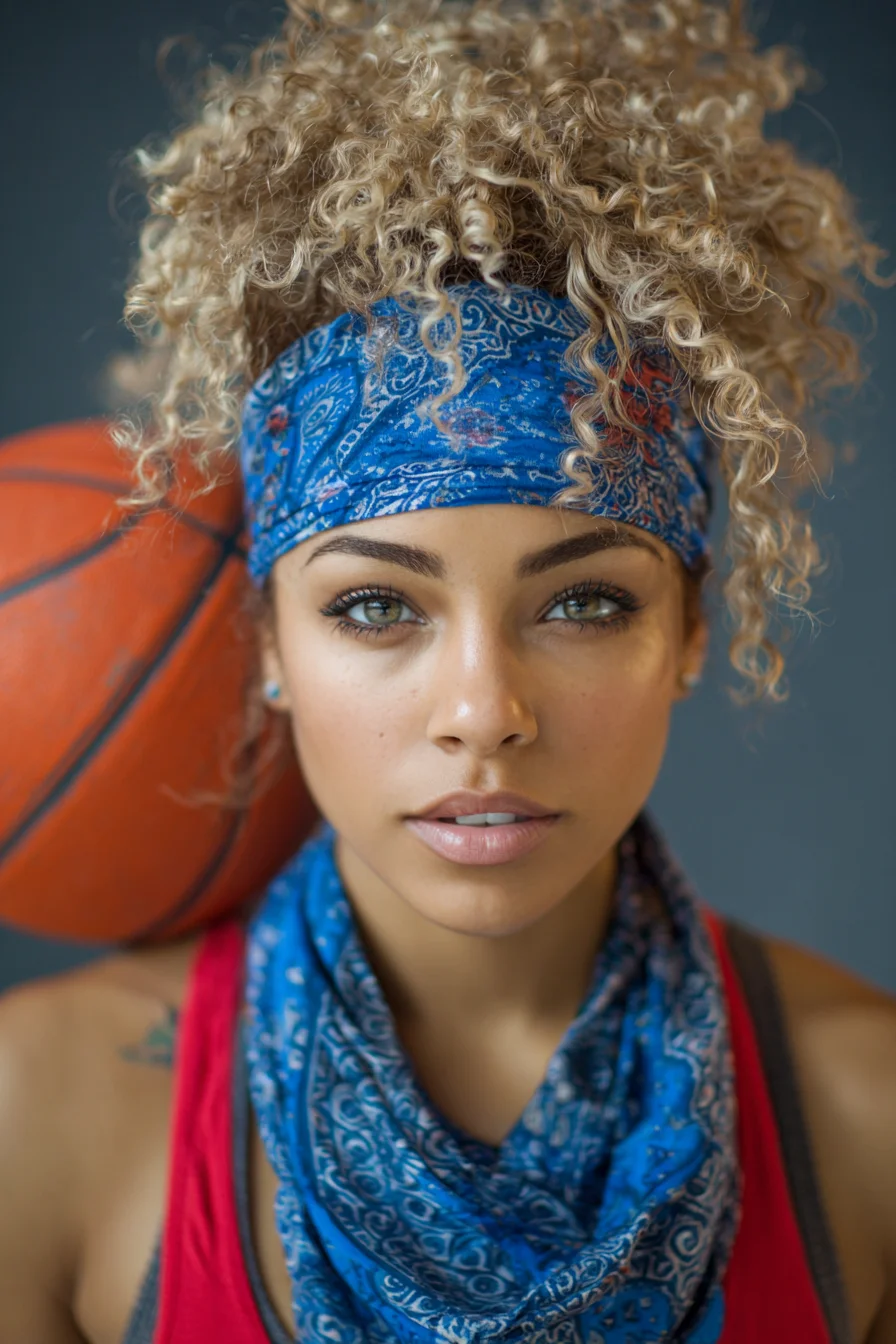
Perfect for defined natural curls, this high pineapple puff secured with a wide bandana lifts curls off the face while preserving volume. Best for 3A–4A curl patterns and medium to long lengths; fine hair can adapt with a light mousse for hold, while coarser textures benefit from extra moisturizing products. Styling technique: start on detangled, conditioned hair. Apply leave-in conditioner and a curl-defining cream, then diffuse or air-dry until 80–100% dry. Gather hair loosely at the crown, secure with a silk scrunchie to prevent dents, then wrap a folded bandana around the hairline as a headband. Smooth edges with a small amount of gel or edge control and a soft brush. Separate and fluff the top curls for balance. Tools and products: wide-tooth comb, microfiber towel, diffuser, silk scrunchie, lightweight curl cream, leave-in conditioner, gel/edge control, light oil or serum, and a refresher spray. Difficulty: easy–moderate; quick once curls are defined. Maintenance: sleep with a silk scarf or bonnet, refresh curls with water + leave-in or curl refresher, avoid tight elastics, deep-condition weekly, and re-tie loosely to reduce breakage.
Sleek Boxer Cornrows with Long Dutch Braids — Protective Style for Thick Natural Hair
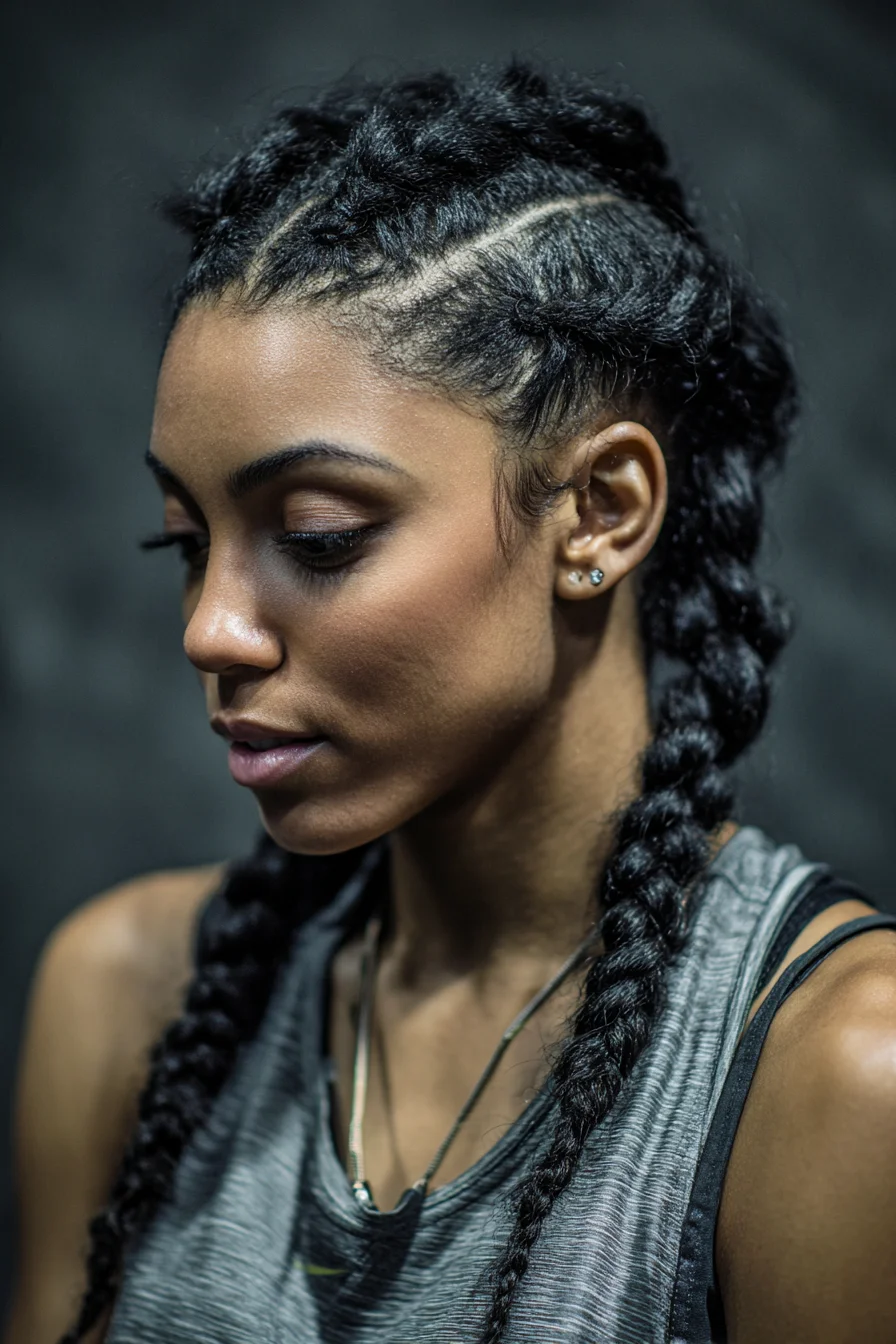
This polished double cornrow (boxer) look suits Type 3–4 natural textures and medium to thick hair; fine hair can achieve the same effect with lightweight extensions. Start on damp, detangled hair: create a clean center part, then use a rat-tail comb to section and clip. Using the Dutch (underhand) braiding technique, add small amounts of hair as you work from the hairline down, keeping tension even; transition to a three-strand braid once you pass the nape and secure with a snag-free elastic. Tools: rattail comb, sectioning clips, fine-tooth edge brush, small elastics, spray bottle, wide-tooth comb and optional braiding hair. Products: leave-in moisturizer, light holding gel or braid cream for control, edge control, and a lightweight oil or braid sheen for scalp hydration. Difficulty: intermediate — expect 45–75 minutes depending on density. Maintenance: sleep on a satin scarf/pillowcase, refresh edges with edge control, apply scalp oil and a hydrating braid spray every 3–4 days, and avoid heavy buildup. Re-braid after 4–6 weeks; loosen or redo sooner if you feel tension.
Double Dutch Boxer Braids — Tight Cornrow-Style Braids for Sporty Looks
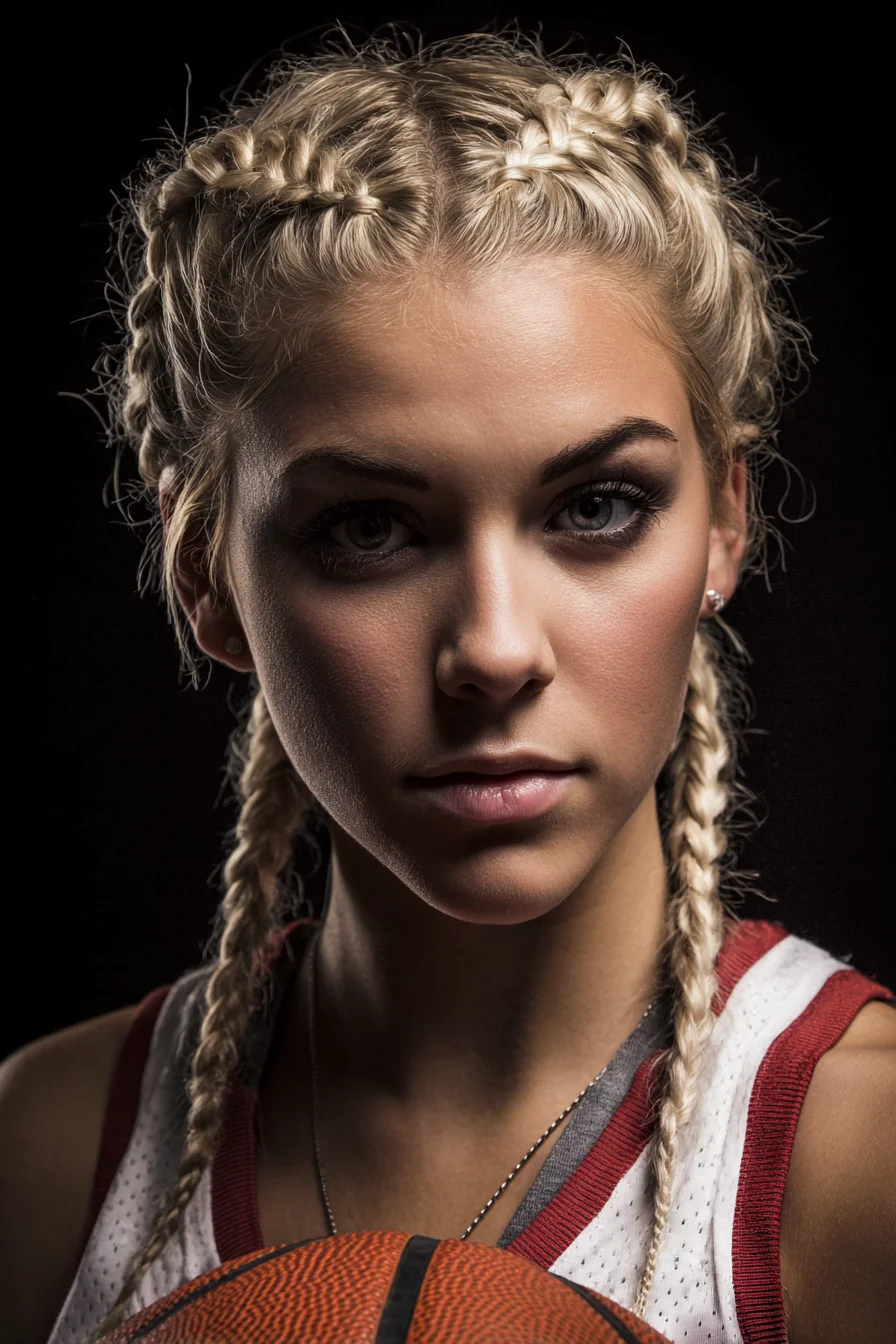
This tight double Dutch (inverted) boxer-braid style suits shoulder-length to long hair and works well on fine, medium and thick textures with light layering. Start with a clean, detangled base and a precise center part. Using small subsections, feed hair into two Dutch braids along the hairline, keeping tension even and continuing into three-strand braids down the back. Tools: rat-tail comb, sectioning clips, boar-bristle brush, small clear elastics, bobby pins and a spray bottle. Products: lightweight styling gel or edge-control for grip, texturizing spray for fine hair, smoothing cream for frizz control and a flexible hold hairspray to set. Skill level: intermediate — requires consistent tension and practiced three-strand braiding; expect 20–40 minutes depending on thickness. Maintenance: sleep with a silk scarf or bonnet to reduce friction, refresh edges with a dab of edge-control, and mist scalp with a lightweight oil or leave-in spray to prevent dryness. Re-do every 3–7 days for best scalp health; avoid excessive tension to prevent breakage, and loosen braids slightly around the hairline if irritation occurs.
Textured Double Dutch Braids with Braided Crown – Sporty Blonde Braided Style
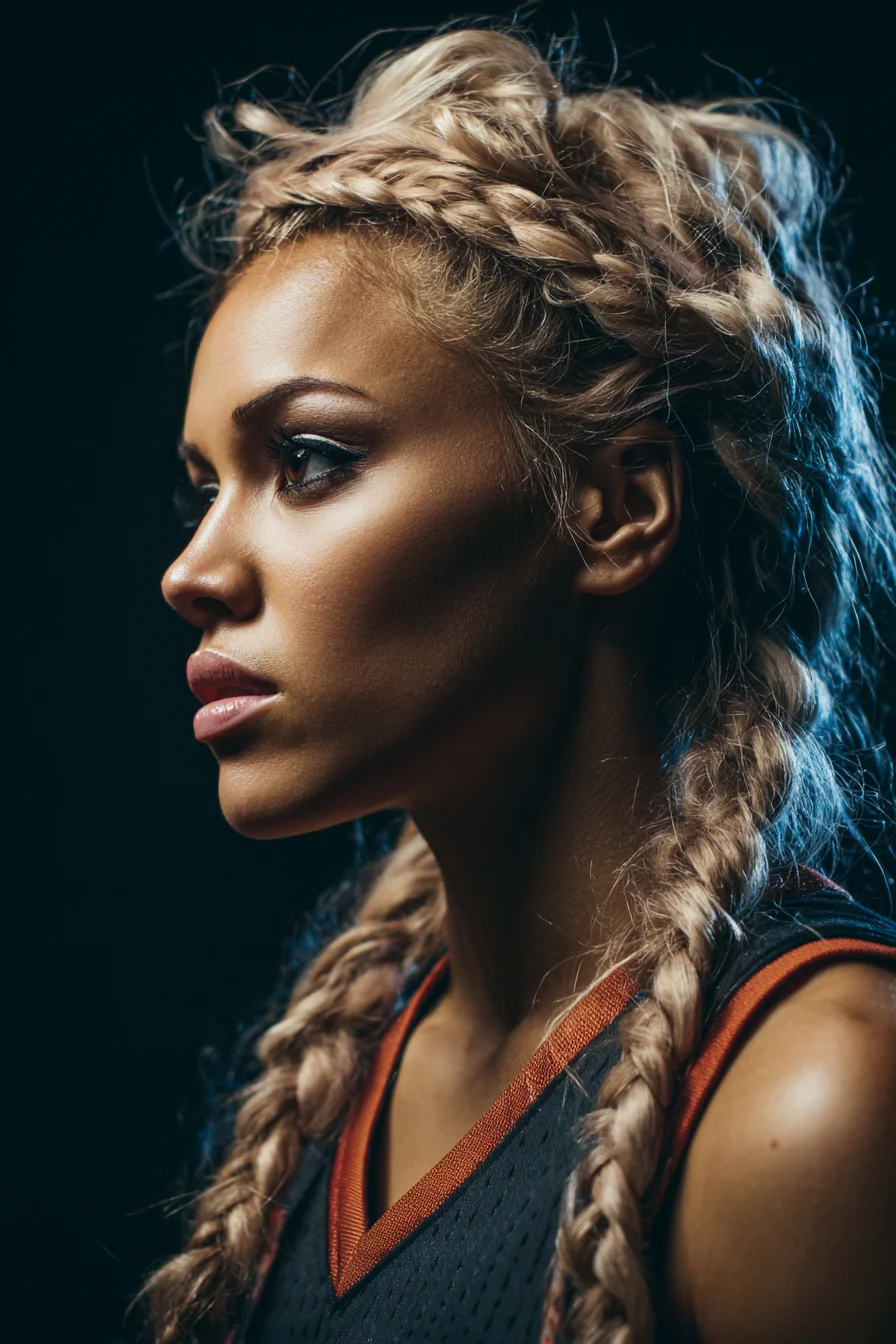
This look suits medium-to-long lengths and works well on straight, wavy or relaxed curly textures; very coarse or tight coils should be detangled and stretched first. To create the style, start with a clean center part, section a small front band and Dutch-braid it across the hairline into a mini crown, then Dutch-braid two tight, three-strand braids down each side. Pancake the braids gently for width and lived-in texture and pull a few face-framing pieces loose for softness. Tools: rat-tail comb, paddle brush, sectioning clips, small clear elastics, bobby pins and a fine-tooth comb; optional curling iron to add body before braiding. Products: lightweight texturizing spray or sea-salt mist for grip, smoothing serum for flyaways, edge control or light gel for the hairline, dry shampoo to extend wear, and a flexible-hold hairspray to finish. Difficulty: intermediate — a stylist or practiced braider will achieve clean, even tension in 30–45 minutes. Maintenance: sleep on a silk scarf or bonnet, refresh with dry shampoo and a light mist, re-pancake to restore volume, avoid over-tightening to prevent breakage, and deep-condition weekly to keep color-treated or bleached hair healthy.
Chunky Center Cornrows into Two Rope Twists — Protective Braided Style
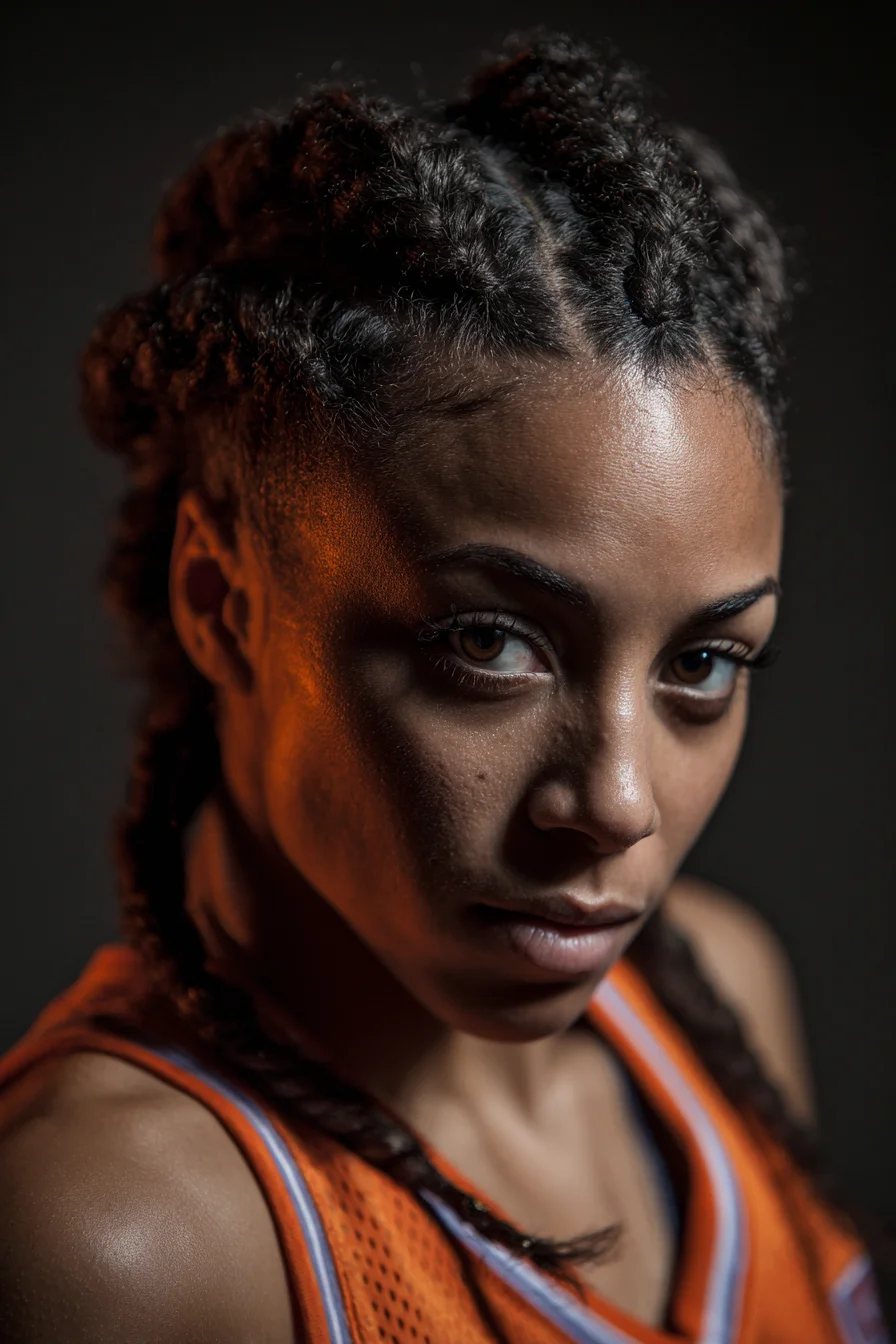
Perfect for Type 3–4 natural textures (curly, coily) and thick hair, this look features two central cornrows that transition into chunky rope twists or braids down the back. Start on freshly detangled, damp hair: use a rat-tail comb to create a clean center part, clip sections, apply leave-in conditioner and a light gel for hold. Cornrow each side with firm, even tension to the nape, then continue off-scalp as two-strand twists or three-strand braids secured with small bands. Tools: rat-tail comb, sectioning clips, edge brush, wide-tooth comb, small elastics. Products: moisturizing leave-in, lightweight gel or edge control, hair butter or oil, and a scalp-soothing spray. Difficulty: intermediate — requires neat parting and even tension; allow 45–90 minutes. Maintenance: sleep on a satin bonnet or pillowcase, refresh edges with a dab of gel, lightly oil the scalp twice weekly, and cleanse with diluted shampoo using fingertips to avoid unraveling. Avoid excessive tension to protect the hairline. Expect 2–4 weeks of wear with proper care.
Flat-Twist Cornrows Into Long Braids — Sleek Protective Style
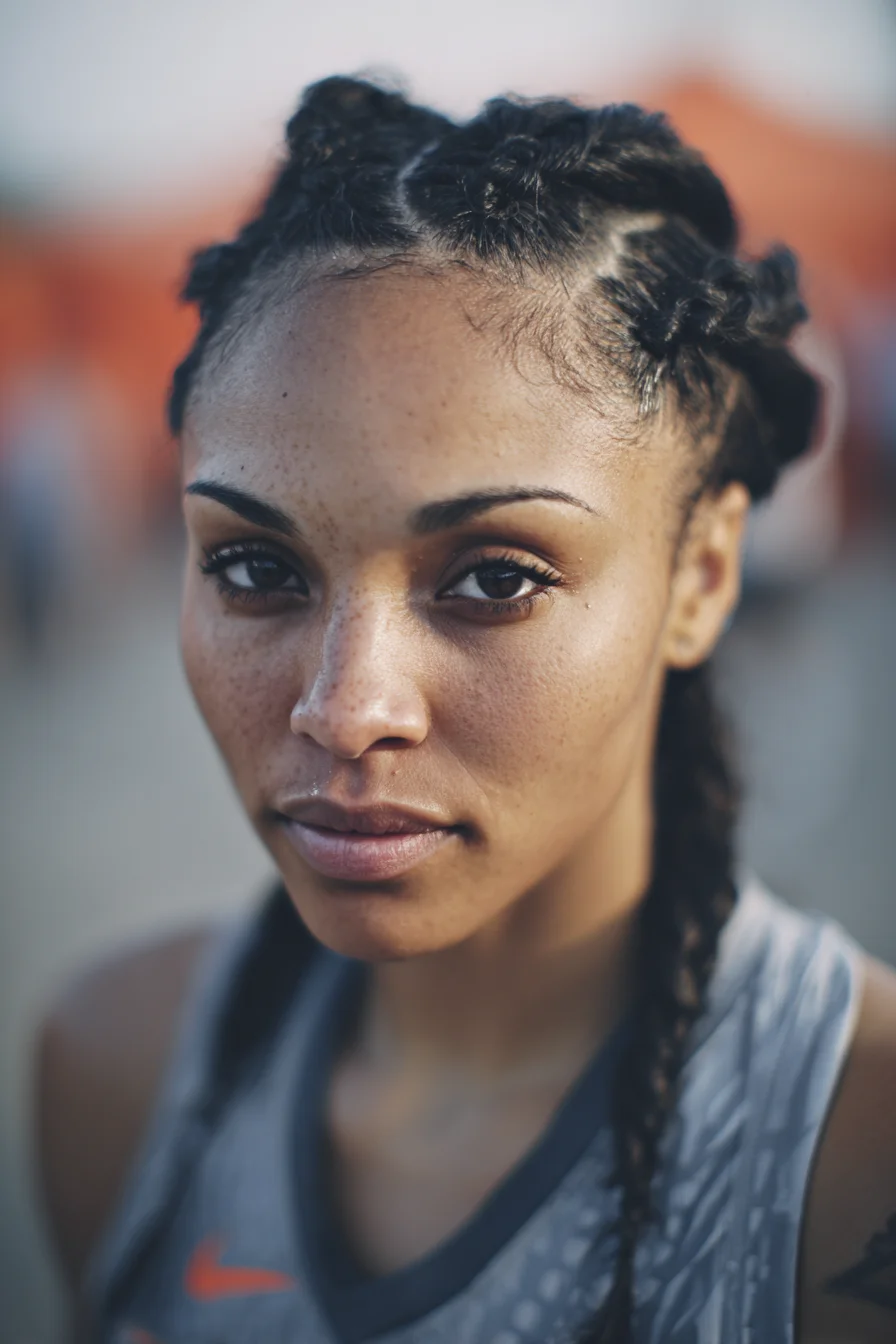
Suitable for 3A–4C textured hair but adaptable to straighter hair with added texture, this style combines flat/two-strand twists at the scalp that transition into long three-strand braids. Technique: section the hair into even parts with a rattail comb, lightly mist each section, apply a leave-in conditioner and a medium-hold gel or pomade at the roots, then flat-twist or two-strand twist from the hairline toward the nape and finish each section with a standard braid or knot. Tools needed: rattail comb, sectioning clips, water sprayer, small elastics, wide-tooth comb and a fine-tooth comb for smoothing. Recommended products: moisturizing leave-in, anti-frizz gel or edge control, lightweight oil or serum for shine, and a sulfate-free shampoo for scalp cleansing. Difficulty: intermediate — expect 45–90 minutes depending on hair length and section size. Maintenance tips: sleep on a satin bonnet or pillowcase, refresh with a light mousse or braid spray to tame frizz, oil the scalp weekly, and avoid excessive tension to protect the hairline. Redo or touch parts every 4–6 weeks depending on growth and wear.
Double Dutch (Boxer) Braids for Medium to Long Hair
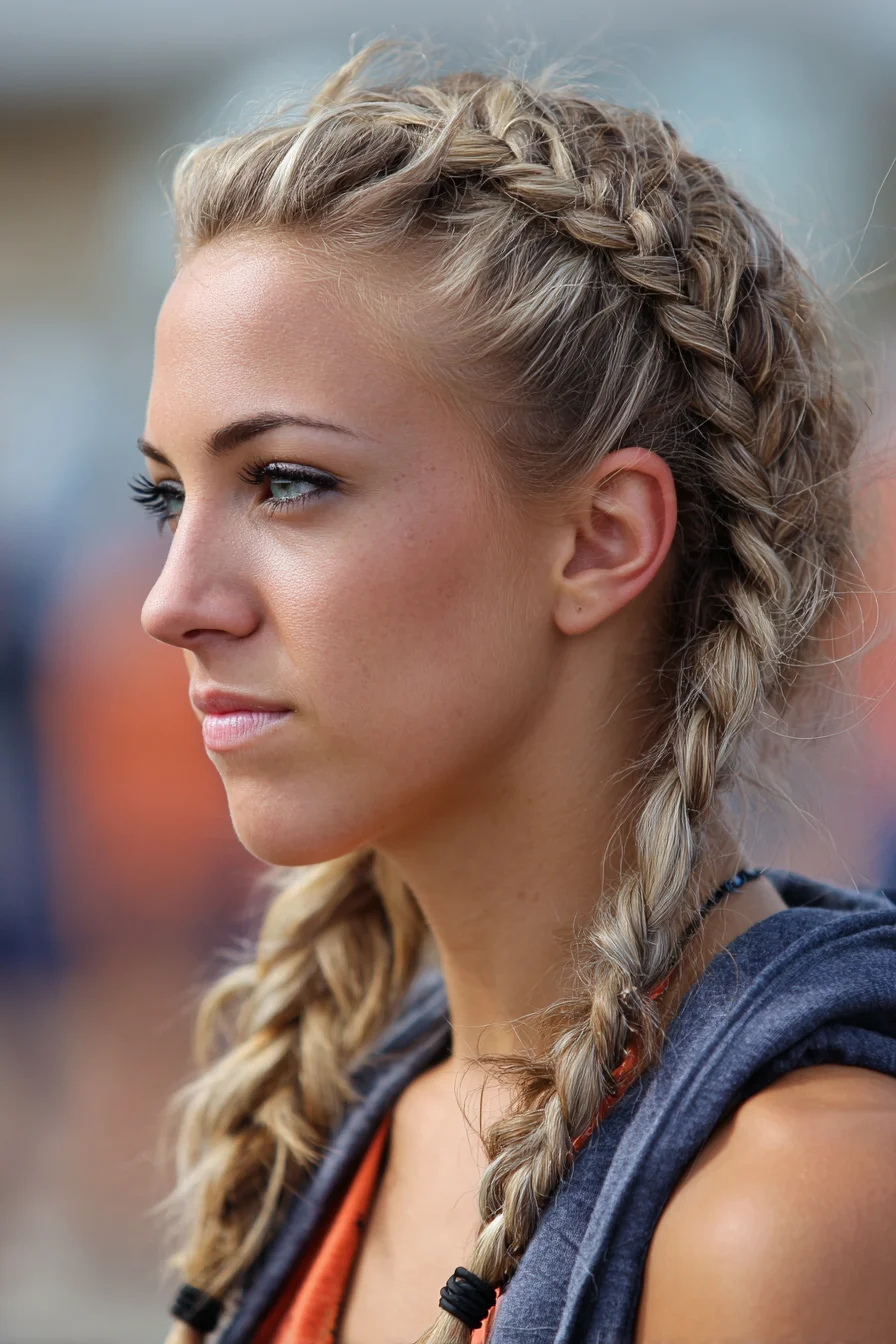
A polished pair of Dutch (boxer) braids that sit close to the scalp and flow into two secure plaits — ideal for active days, events, or a neat everyday look. Suitability: best on medium to long lengths; works well on straight, wavy or slightly textured hair. Fine hair benefits from texturizing product for grip; thicker hair may require tighter sectioning and more smoothing. Styling technique: start with detangled, slightly damp or product-prepped hair. Create a clean center part, then perform Dutch braids (weaving each new section under the middle strand) along the hairline down to the nape, continuing as a classic three-strand braid. Tools needed: rat-tail comb, small clear elastics, hair clips, and a few bobby pins. Products required: lightweight mousse or styling cream for hold, sea-salt or texturizing spray for grip, smoothing serum for flyaways, and a light-hold hairspray. Difficulty level: moderate — requires confident Dutch-braiding (20–30 minutes). Maintenance tips: sleep with a silk scarf, refresh roots with dry shampoo, smooth ends with a dab of oil, and re-tighten or re-braid after 48–72 hours to maintain shape.
Double Cornrow Braids (Sleek Scalp-to-Tail) for Natural & Textured Hair
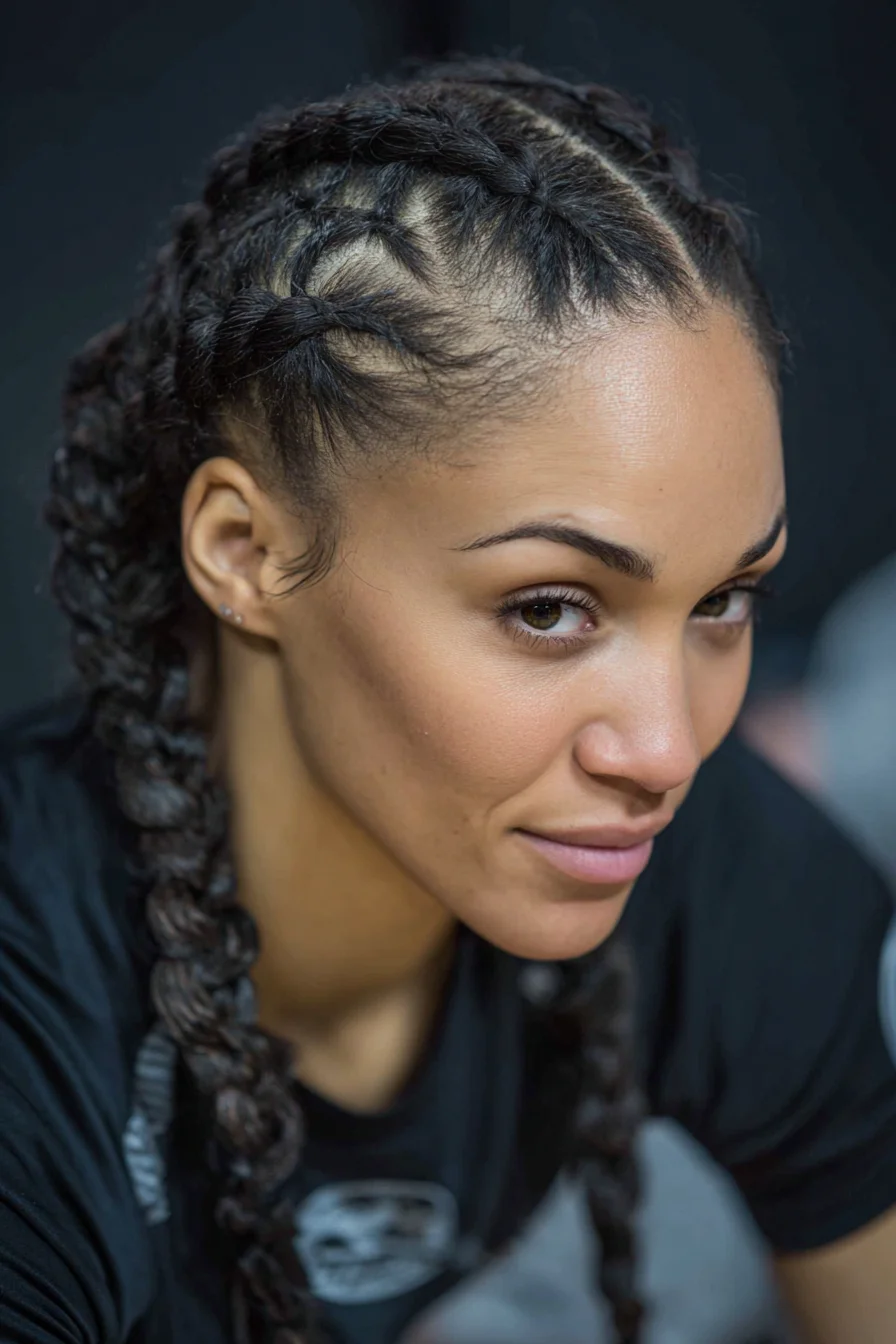
This sleek double cornrow braid is ideal for medium to long textured hair — from 3A–4C curl patterns — but can also be adapted for straighter hair when some texture or hold is added. Start with clean, detangled hair and a defined center part. Section and clip each side, then use a feed-in (Dutch) cornrow technique to build tension close to the scalp and incorporate length toward the nape; finish with three-strand braids or add extensions for length and volume. Salon tools: rat-tail comb, clips, wide-tooth comb, soft boar-bristle brush, tail comb for parts, small elastics and an edge brush. Recommended products: lightweight leave-in, anti-frizz gel or pomade for clean parts, firm edge control, and a light non-greasy oil for scalp moisture. Difficulty: intermediate — requires practice to keep even tension and straight parts; expect 45–90 minutes. Maintenance tips: sleep on silk/satin or use a silk scarf, refresh edges with edge control, lightly mist scalp and braid with moisturizing spray weekly, cleanse with diluted sulfate-free shampoo or co-wash to reduce buildup, and avoid keeping styles longer than 4–6 weeks to prevent breakage.
Sleek Double Dutch (Boxer) Braids — Sporty Polished Braided Style
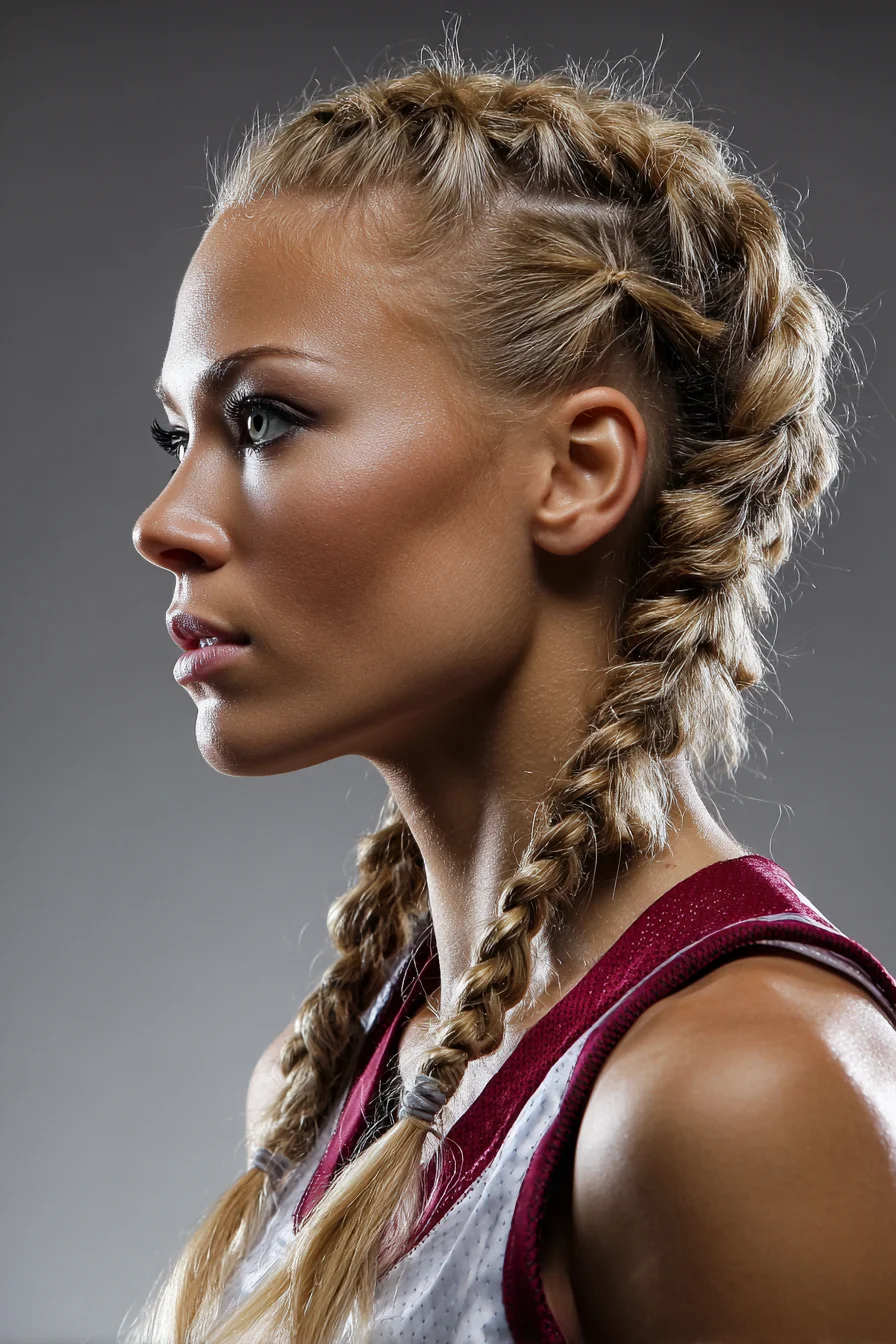
In-salon proven for sporty and polished looks, these sleek double Dutch (boxer) braids suit straight to wavy hair at medium to long lengths and adapt well to fine, medium, or thick textures (use light padding or texturizing for very fine hair). Technique: create a precise center part, clip sections, then braid each side using a Dutch (underhand) method from the hairline to nape, adding hair with each pass for clean, tight braids; secure ends with small elastics. Tools: rat-tail comb, sectioning clips, boar-bristle or paddle brush, small clear elastics, and bobby pins. Products: start with a leave-in detangler or light mousse for grip, a texturizing spray for hold, smoothing serum for shine, and a medium-hold hairspray to lock the style. Difficulty: intermediate — 20–40 minutes depending on experience; practice on slightly dirty hair for better grip. Maintenance tips: sleep on a silk pillow or wrap with a scarf to reduce frizz, reapply edge control for a neat hairline, refresh ends with small elastics, gently pancake braids for added volume, and avoid daily tight braiding to prevent tension-related breakage.
Chunky Dutch Cornrow Braids with Sleek Edges
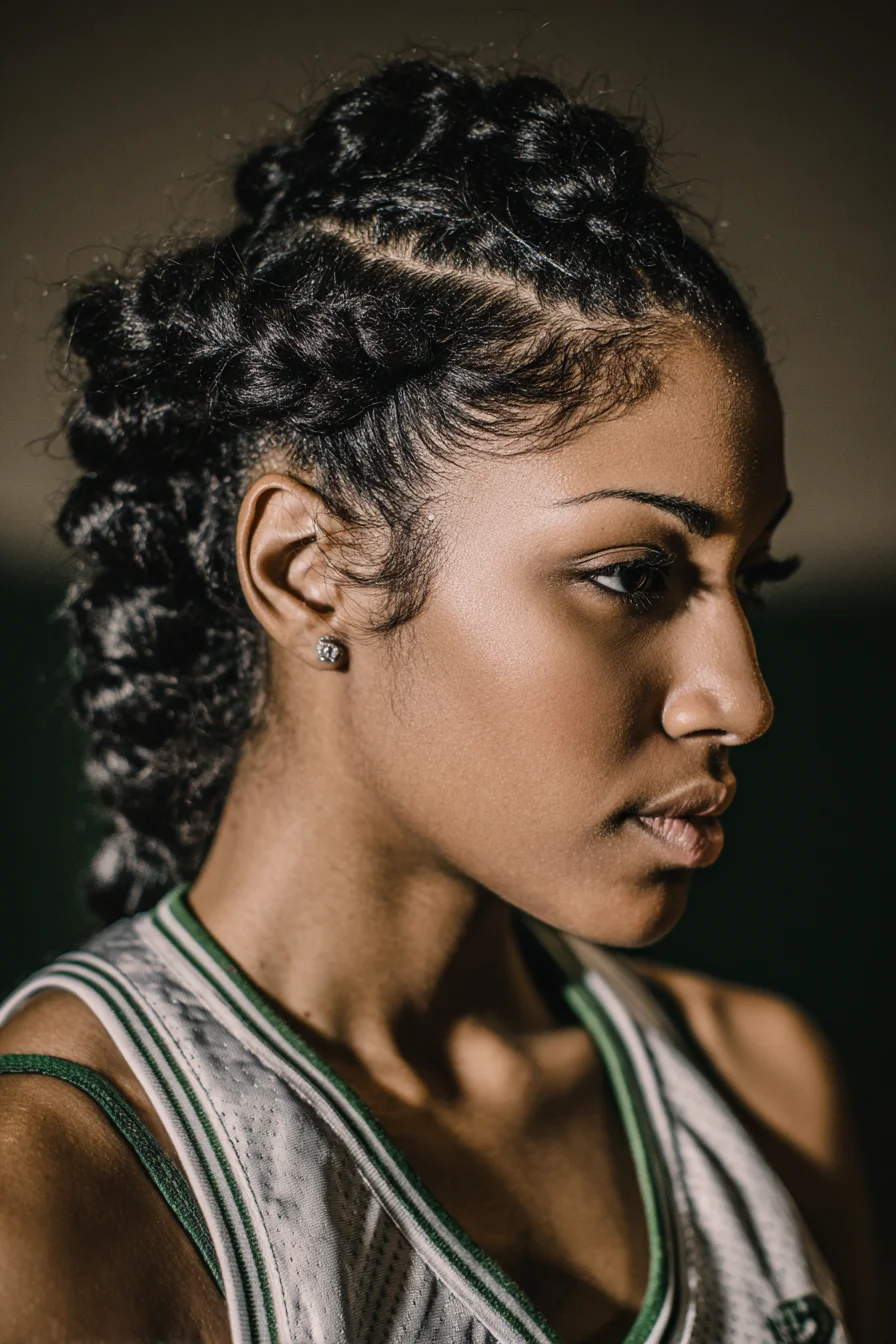
This style suits Type 3–4 curly and coily textures and medium-to-long hair; it can also work on straighter hair when pre-textured with a light mousse or backcombing for grip. Technique: section the hair into two or three clean panels, apply a hydrating leave-in and light-hold gel, then create feed-in Dutch (inside-out) braids from the hairline toward the nape. Secure the ends with small elastics and gently pancake the braids for added volume while maintaining a sleek scalp finish and defined baby hairs. Tools: rat-tail comb, duckbill clips, small elastics, soft-bristle brush, edge brush, and an optional crochet needle if adding extensions. Products: moisturizing leave-in conditioner, edge control gel, styling cream or twisting butter, lightweight oil for the scalp, and a light-hold spray. Difficulty: medium — requires consistent tension and basic braiding skill; expect 45–90 minutes in a salon depending on size and panels. Maintenance tips: sleep with a silk bonnet or scarf, refresh edges sparingly with edge product, lightly oil the scalp weekly, co-wash or dilute-shampoo the scalp as needed, and avoid overly tight braids to protect the hairline; redo after 3–6 weeks.
Braided Faux Hawk with Cornrows and Curly Textured Top
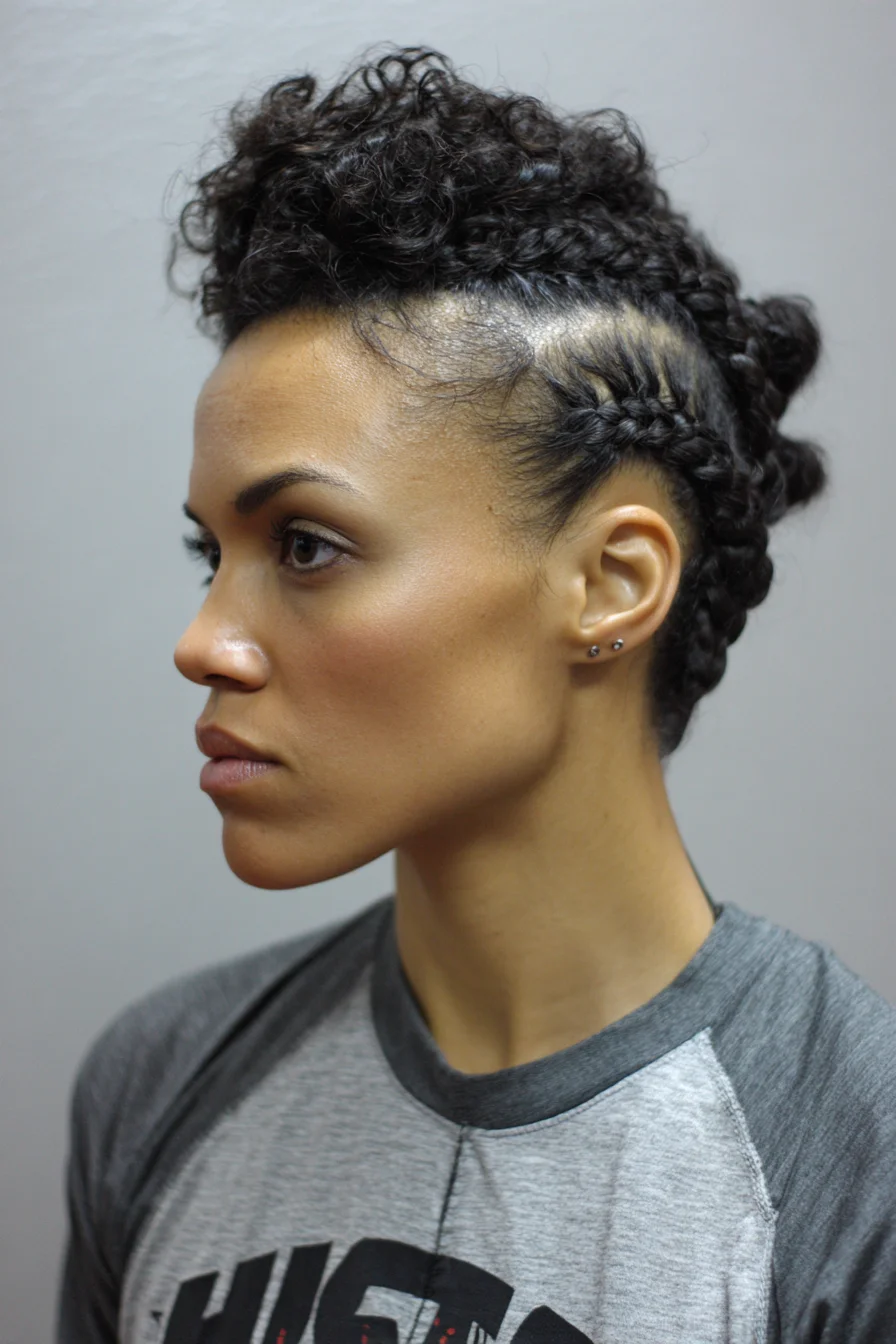
This polished braided faux-hawk pairs tight cornrows on the sides with a voluminous, textured curly top — ideal for natural, coily, or wavy hair (3A–4C) and extensions. Start on clean, detangled hair: section the sides and create neat cornrows or feed-in braids toward the crown, leaving the top loose. Secure braid ends into a low roll or pin them up to form the faux-hawk base, then define the top with finger-coiling or a light twist-out to enhance curl pattern. Tools: rat-tail comb for parting, wide-tooth comb, edge brush, hair clips, small elastics, bobby pins, and a diffuser if using heat. Products: leave-in conditioner, curl cream or defining gel for the top, lightweight braiding gel or edge control for sleek parts, and a lightweight oil or sheen spray for finish. Difficulty: intermediate — requires precision parting and consistent tension when braiding. Maintenance: sleep on a satin pillowcase or bonnet, refresh curls with a water–leave-in mist, reapply light oil to the scalp, and touch up edges as needed. Redo or tighten braids every 2–3 weeks to protect hairline and minimize tension.
Textured Messy High Bun with Face‑Framing Tendrils
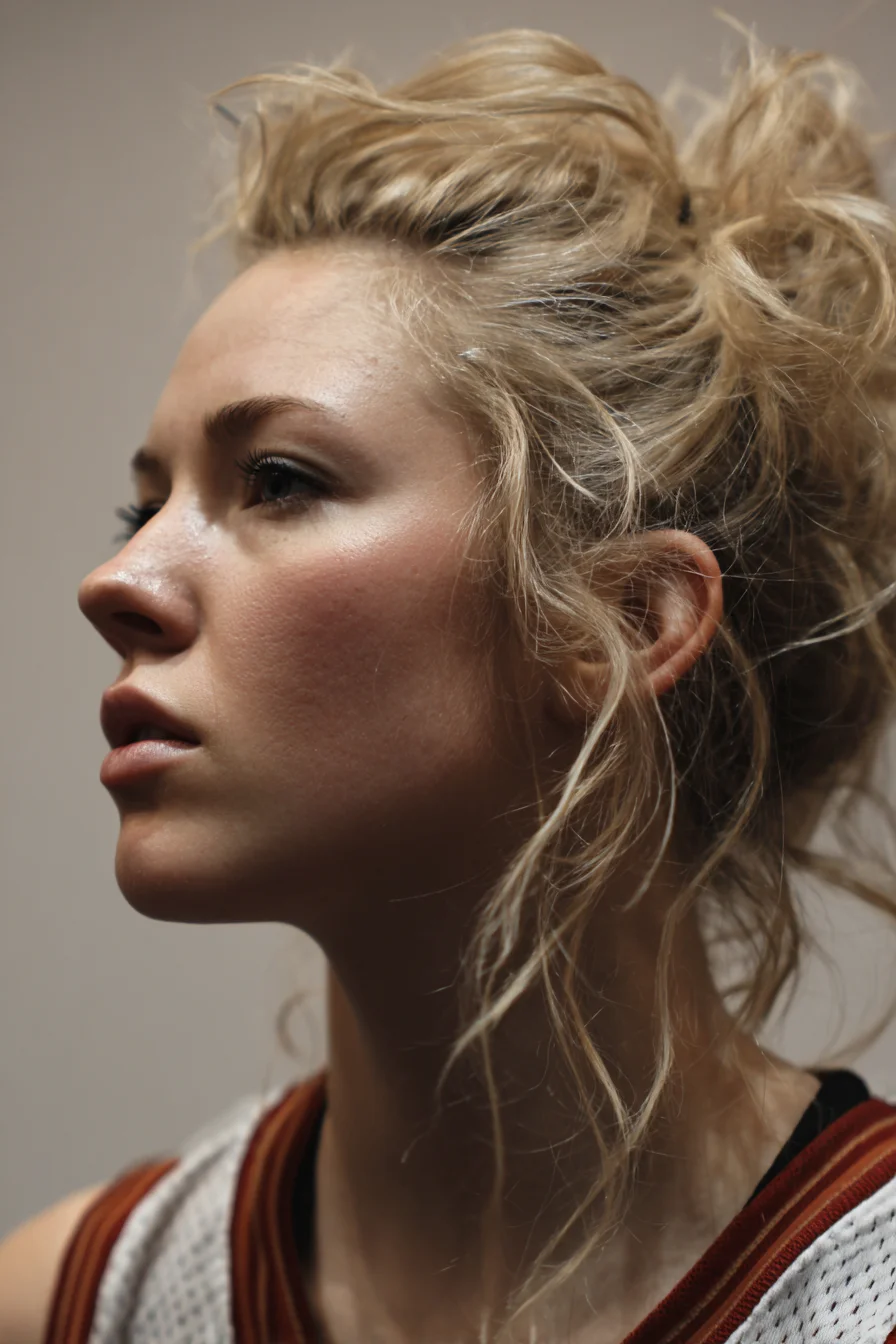
This relaxed, textured high bun with loose face‑framing tendrils suits fine to medium hair and naturally wavy or slightly curly textures; thick hair works well when thinned or layered. Technique: work on second‑day hair for grip — mist roots with dry shampoo or sea salt spray, backcomb lightly at the crown for lift, gather hair into a high pony, twist loosely and pin into a messy bun, then pull out small sections at the hairline and around the nape. Use a 1/2–1 curling wand to define a few tendrils and bend them away from the face for softness. Tools: paddle or vent brush, wide‑tooth comb, tail comb for sectioning, elastic, assorted bobby pins, curling wand, and clips. Products: dry shampoo, sea salt or texturizing spray, light styling cream or pomade for piece definition, heat protectant, and a flexible‑hold hairspray. Difficulty: moderate — achievable at home with practice. Maintenance: sleep on a silk pillowcase, refresh by re‑spritzing texturizer and re‑curling tendrils, and avoid heavy oils that weigh down texture.
Textured Side Cornrows with Chunky Rope Braid — Natural 3A–4C Styles
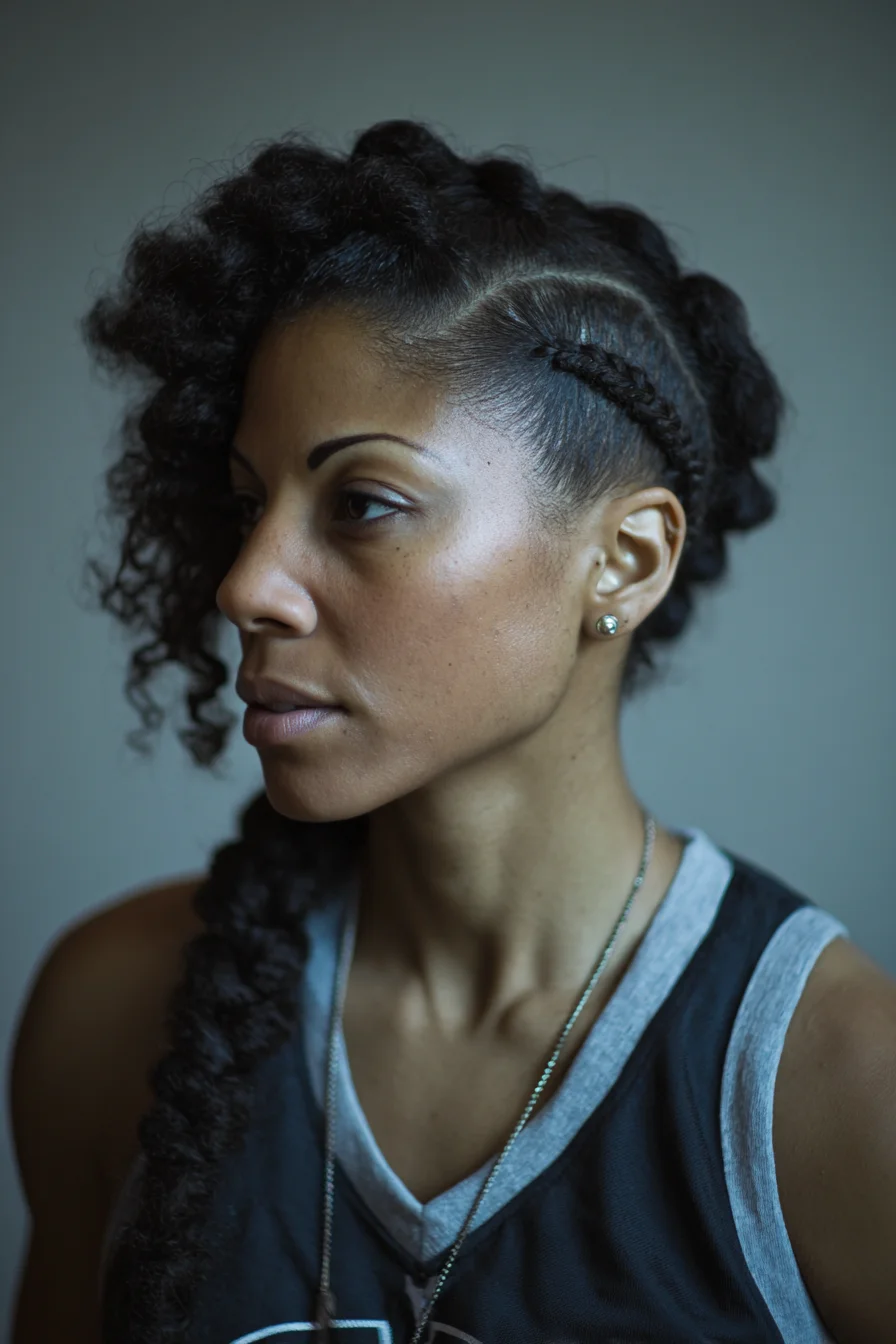
This look suits natural curly to coily textures (3A–4C) and medium to thick density hair. Start on freshly detangled, lightly damp hair. Create a deep side part, smooth the smaller sections with a light gel or edge control and cornrow or flat-twist two narrow rows along the hairline. Gather the remaining hair and form a chunky rope or two-strand twist, incorporating the cornrow ends for a unified finish. Tools: rat-tail comb for parting, wide-tooth comb/Denman for detangling, small elastics/clips, soft edge brush, and hair dryer with diffuser if needed. Products: leave-in conditioner, moisturizing cream or twist butter, light holding gel for edges, and a lightweight oil or serum to seal and add shine. Difficulty: moderate — requires steady parting and basic braiding/twisting skills; expect 30–60 minutes depending on length. Maintenance tips: sleep with a satin bonnet or scarf and a silk pillowcase, refresh edges with a dab of gel or edge-control, reapply a light oil to the scalp twice weekly, and avoid over-manipulation. Small cornrows will need tightening or redone after 2–3 weeks for best longevity.
Textured High Curly Bun with Face‑Framing Tendrils
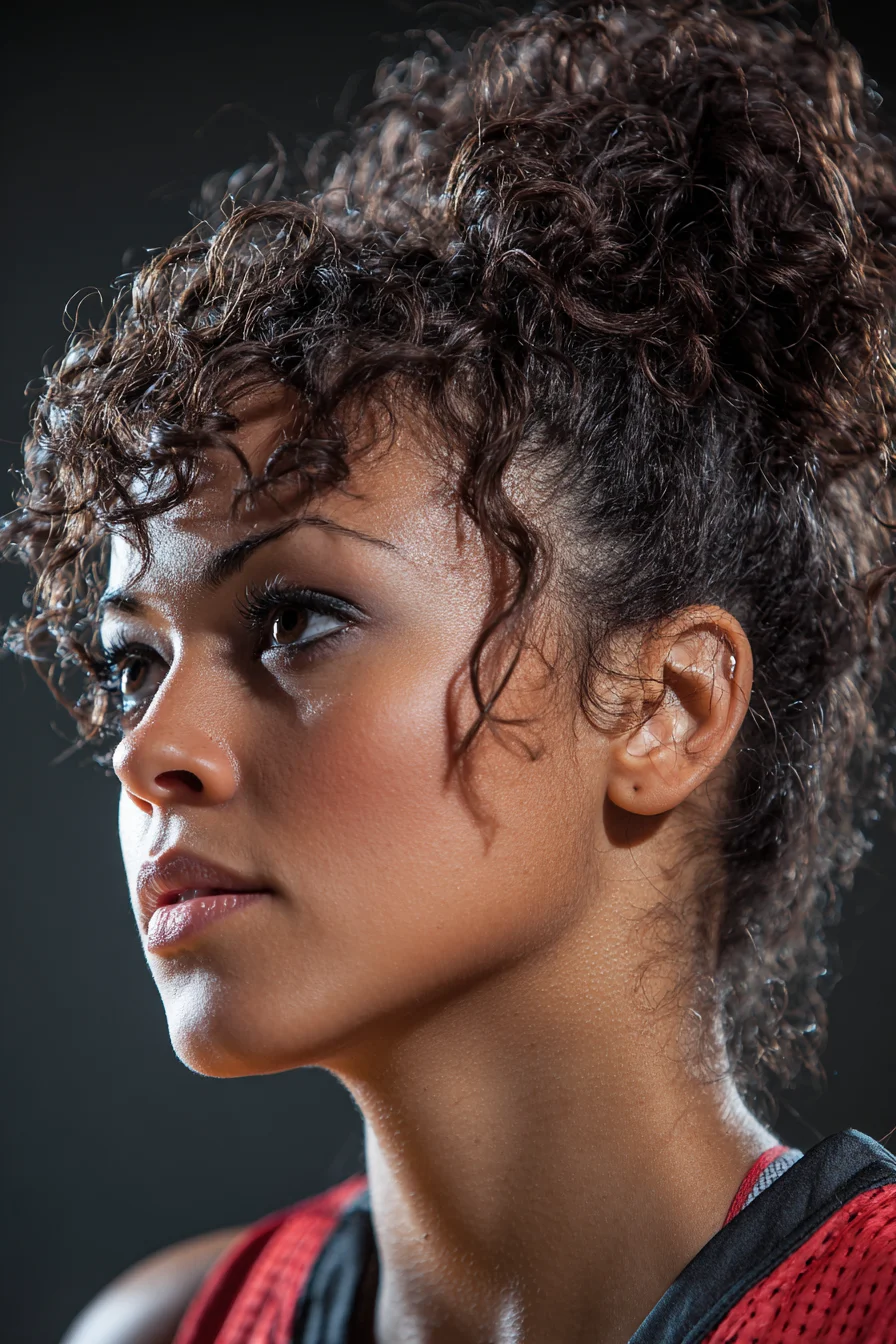
This polished yet relaxed high curly bun works best on natural waves to tight curls (roughly 2C–4A) and medium to thick densities. Start on clean, conditioned hair: apply a lightweight leave‑in conditioner and a curl‑defining cream to damp strands, then detangle gently with a wide‑tooth comb. Diffuse on low heat until about 80% dry to preserve volume and reduce frizz. Gather hair into a high ponytail using a snag‑free elastic, then wrap and tuck the lengths into a loose bun, securing with bobby pins while leaving a few front tendrils out to frame the face. Use a small curling wand to refine any pieces if needed and an edge control or lightweight gel for baby hairs. Tools: wide‑tooth comb, rat‑tail comb, diffuser, elastic, bobby pins, small curling wand. Products: leave‑in, curl cream/mousse, lightweight gel, anti‑frizz serum or spray. Difficulty: moderate — requires shaping and pinning to balance volume. Maintenance: pineapple at night on a satin bonnet or pillowcase, refresh with water + leave‑in spray or mousse in the morning, and trim ends every 8–12 weeks to avoid bulk and maintain curl definition.
Textured Double Boxer Braids — Chunky Dutch Braids with Face‑Framing Wisps
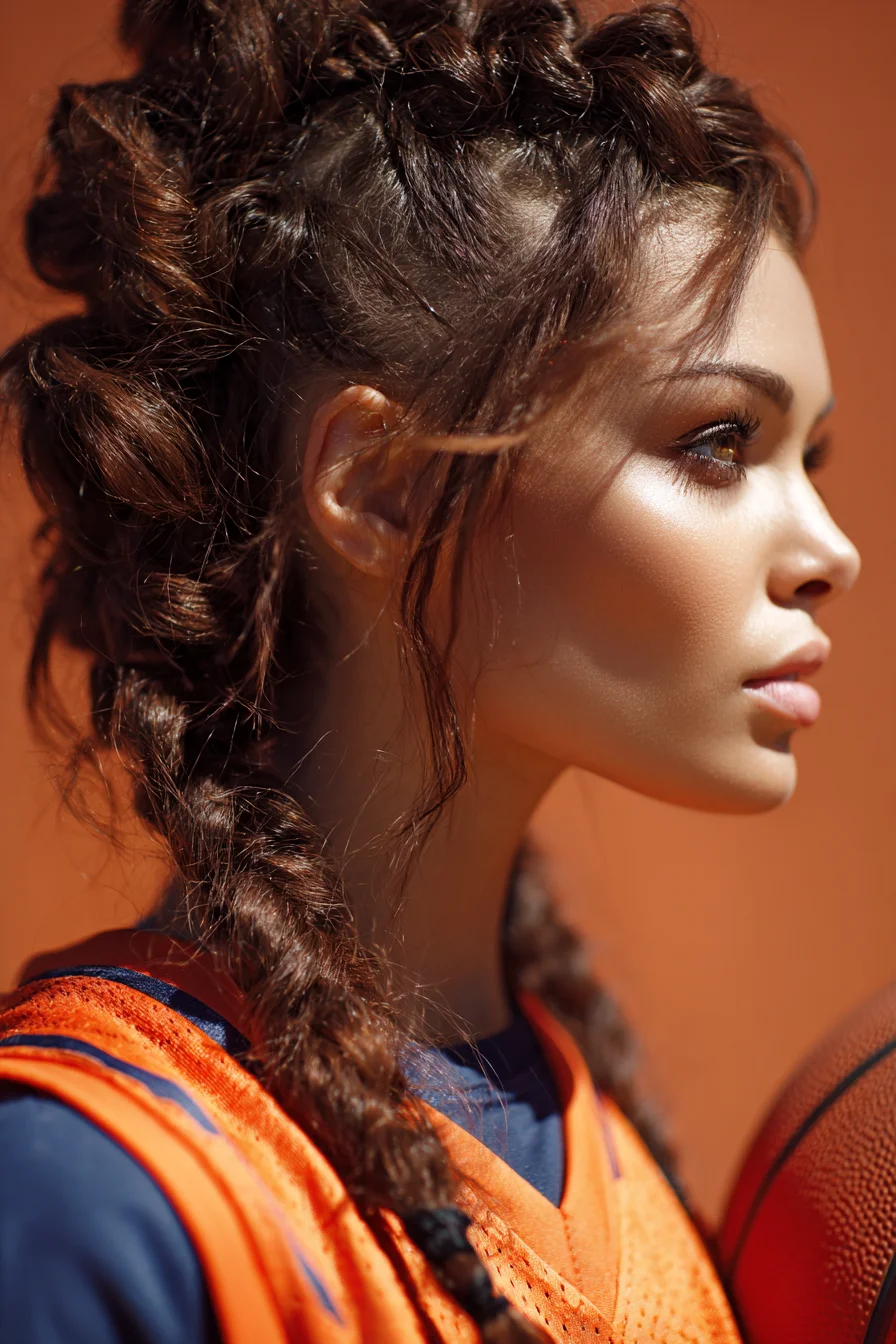
This sporty, textured double boxer-braid look is ideal for medium to thick hair and for naturally wavy or curly textures; fine hair can achieve the same volume with light extensions or by pancake-stretching the braids. Technique: create a clean center part, section each side, and Dutch-braid from the hairline down, adding hair tightly at the scalp for a secure base. Once braided to the nape, continue a three-strand braid, secure with elastics, then gently pancake each braid to widen and add texture. Leave fine face-framing pieces and pull a few baby-hair wisps for softness. Tools needed: tail comb, sectioning clips, medium-tooth brush or wide-tooth comb, small clear elastics, and a fine-tooth toothbrush or edge brush. Products recommended: salt or texturizing spray for grip, lightweight styling cream for frizz control, small amount of smoothing serum for shine, and a flexible hold hairspray to lock in flyaways. Difficulty: intermediate — requires comfortable Dutch braiding and even tension. Maintenance: sleep with a silk scarf, refresh texture with dry shampoo or spray water/texturizer, retighten elastics after 2–3 days, and avoid heavy oils that will weigh the style down.
Side Cornrows into Textured High Pony with Long Rope Braids
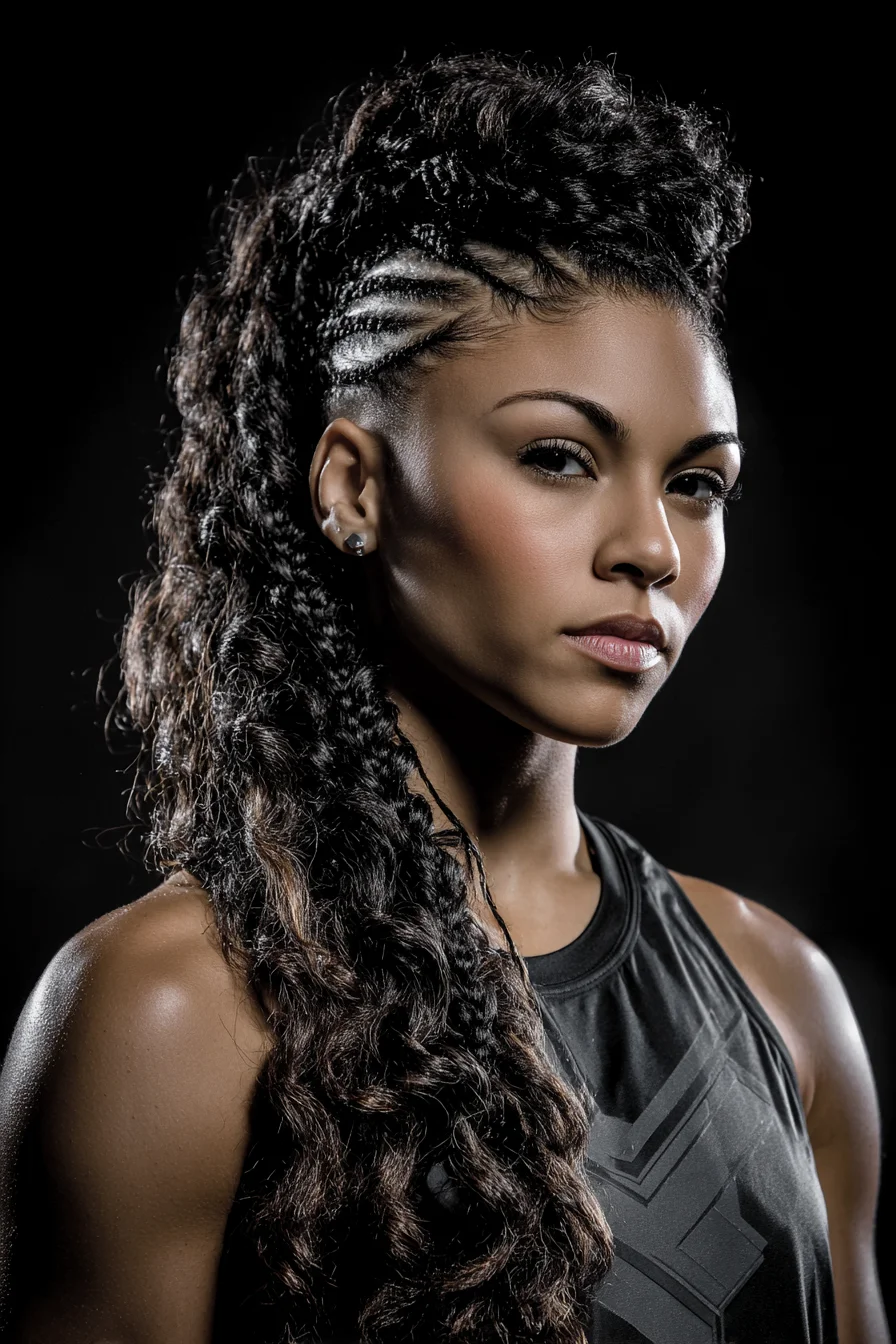
Salon-ready side cornrows transition into a textured high pony with long rope/twist braids and cascading loose curls. Best for natural curly, coily or thick wavy hair; can be created on medium to high density hair or with added extensions for length and volume. Technique: part the sides into clean, small-to-medium cornrows toward the crown, gather remaining hair into a high pony, incorporate extensions by braiding or twisting with natural hair, finish with loose twist/rope braids and defined curls. Tools needed: rat-tail comb, fine-tooth comb, duckbill clips, strong elastics, boar-bristle brush, edge brush, crochet needle (for extensions), blow-dryer with diffuser (optional). Products: lightweight leave-in, styling gel or edge control for neat cornrows, curl cream or defining mousse for textured curls, lightweight oil or serum to seal, heat protectant if using hot tools. Difficulty: intermediate–advanced; expect 60–120 minutes depending on extensions and detailing. Maintenance tips: sleep with a silk bonnet or scarf, refresh curl pattern with a water/leave-in mist, reapply edge control sparingly, avoid excessive tension to prevent breakage, retouch cornrows every 2–4 weeks and deep condition after removal.
Textured Messy Topknot with Choppy Fringe and Face‑Framing Tendrils

This relaxed, salon-friendly look pairs a messy topknot with choppy, eyebrow‑skimming fringe and soft face‑framing tendrils. Best for straight to wavy hair and medium‑fine to medium‑thick textures; very curly hair can be softened with a blow‑dry or flatiron first, while extremely fine, limp hair benefits from added texturizing products or a root lift. To style: start on towel‑dried hair with heat protectant, apply a sea‑salt or texturizing spray, then rough‑dry with a diffuser or blow dryer while lifting at the roots. Gather hair loosely at the crown, secure with an elastic, twist into a messy bun and pull small sections out for volume; use bobby pins to anchor stray pieces. Shape the fringe with a round‑brush blow‑dry or a flat iron for piecey ends and curl a few face‑framing strands with a 19–25mm wand for softness. Tools: blow dryer, round brush, flat iron or small curling wand, elastics, bobby pins. Products: heat protectant, texturizing/sea‑salt spray, dry shampoo, light pomade and flexible hairspray. Difficulty: easy–medium — quick once you master the loose gathering and piece work. Maintenance: trim fringe every 4–8 weeks, refresh texture with dry shampoo or salt spray, and avoid heavy conditioners at the roots to preserve lift.
High Braided Pony with Undercut — Cornrows into Textured Braids
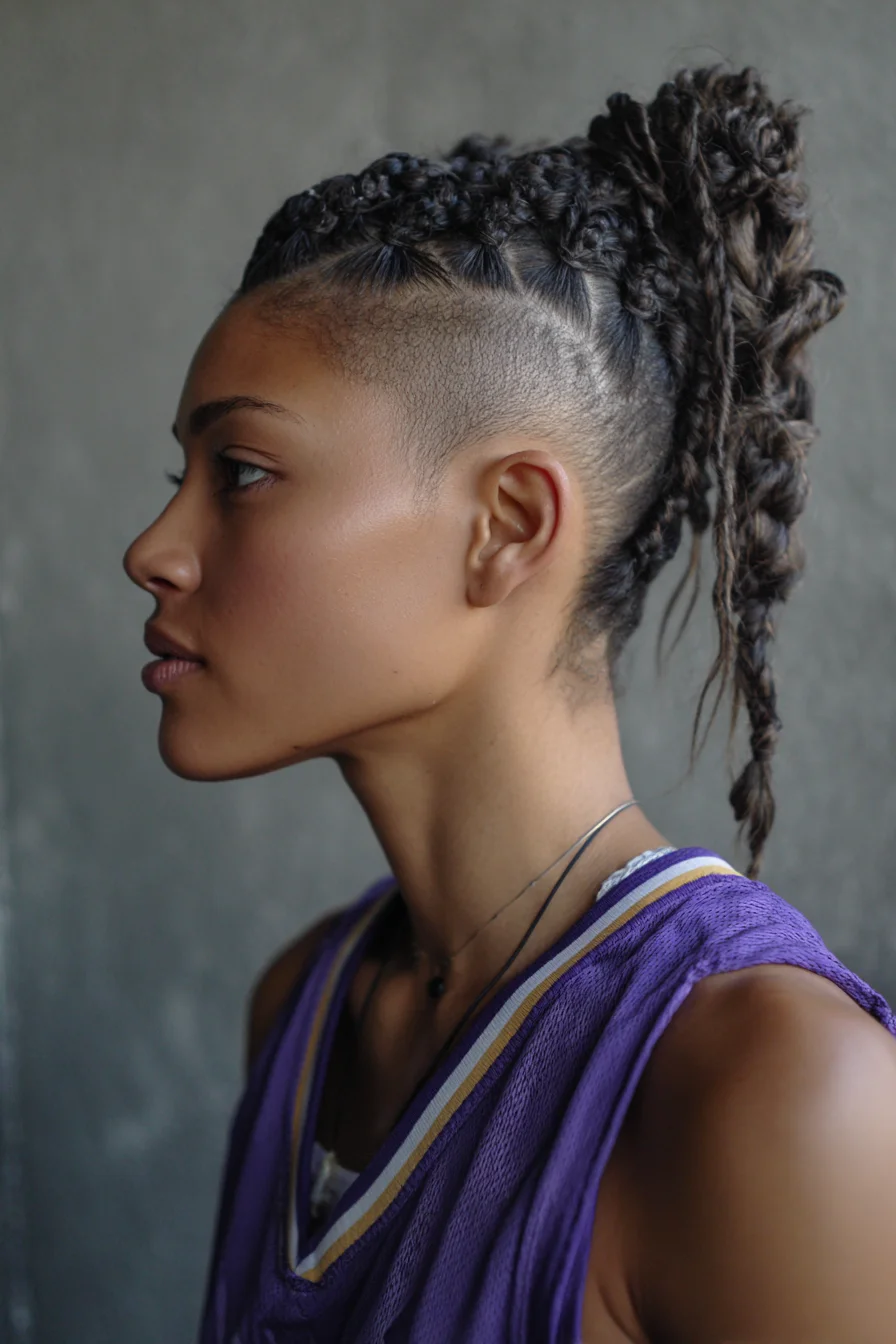
This edgy yet wearable style pairs clipped sides (undercut) with neat cornrows leading into a high pony of textured, multi-strand braids. Best suited to medium‑to‑thick hair with natural curl or coil for grip and volume, it can also be created on straighter hair using extensions for texture. Technique: clipper the sides to the desired length, map and clean the parting lines with a rat‑tail comb, cornrow the top sections toward a high crown point, secure into a pony and finish by braiding or twisting the tail sections. Tools: clippers, rat‑tail comb, sectioning clips, small elastics, bobby pins, crochet needle (for added extensions) and a blow dryer with diffuser (optional). Products: prewash clarifying shampoo, moisturizing leave‑in, firm hold gel or edge control for clean parts, lightweight braid spray, and a light oil or serum to seal ends. Difficulty: intermediate to advanced — professional help recommended for precise undercut lines and tight scalp braids. Maintenance: sleep on a satin bonnet, spritz braid spray twice weekly, gently cleanse scalp every 1–2 weeks, re‑moisturize and re‑tighten as needed; keep style for 4–8 weeks to prevent tension damage.
Tapered Curly Pixie with Voluminous Top — Short Natural Curly Hair
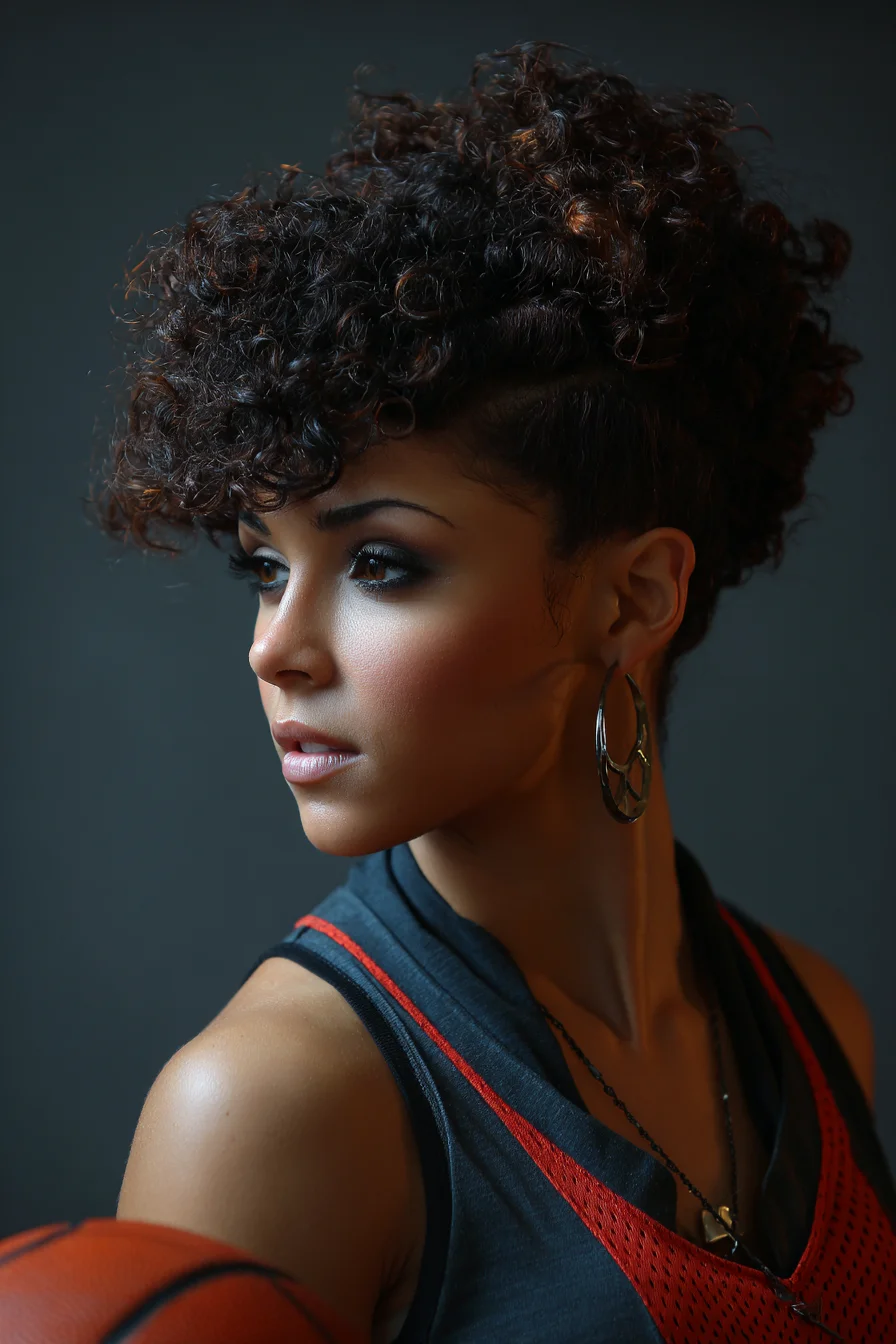
This tapered curly pixie suits natural 3A–4C curl patterns and works best on medium to thick density hair. The look is achieved by keeping the sides and back clipped short with a graduated taper while leaving the top long enough to form defined, stacked curls for volume and movement. Technique: start on clean, detangled damp hair; apply a leave-in conditioner and curl-defining cream, then section the top and finger-coil or use a Denman brush to set curl clumps. Diffuse on low heat to build lift at the roots, or air-dry for softer texture. Tools needed: clippers (guards 1–3), scissors for point-cutting, wide-tooth comb, Denman brush, hair clips, and a diffuser. Recommended products: sulfate-free shampoo, moisturizing mask, leave-in conditioner, curl cream, light gel or mousse for hold, and a drop of lightweight oil for shine. Difficulty: moderate — simple for a trained stylist; DIY requires practice with clippers and diffusing. Maintenance: refresh curls with a water + leave-in mist, pineapple or satin bonnet at night, deep-condition weekly, and schedule tapered trims every 4–6 weeks to maintain shape and prevent bulk.
Cornrow Feed‑In into Voluminous Textured Rope Braids
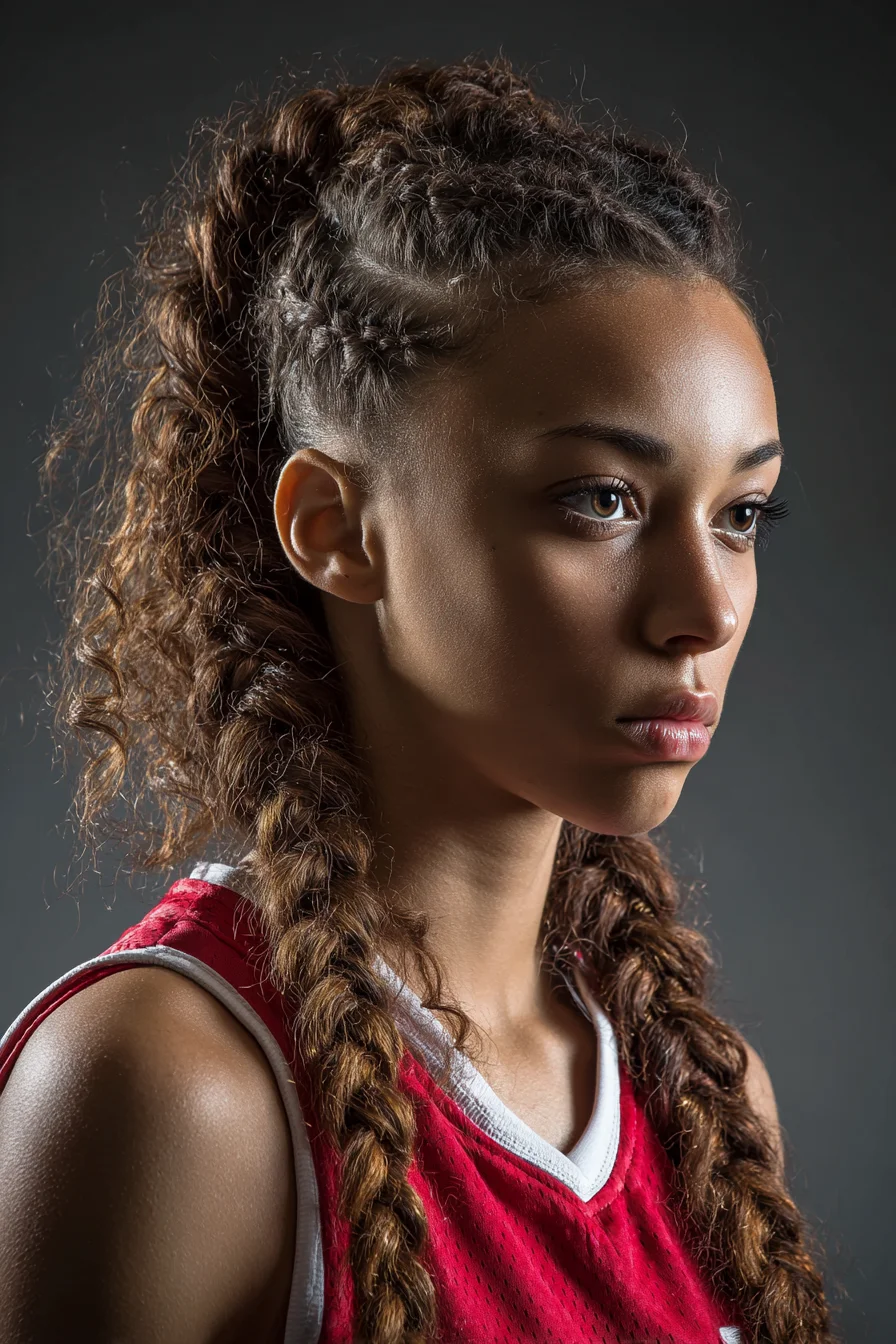
This hybrid look pairs tight feed‑in cornrows at the scalp with loose, textured rope braids cascading from a high gathered section. Best suited to curly to coily hair or medium‑to‑thick textured hair; fine or very straight hair will benefit from lightweight extensions for bulk and hold. Technique: section the hair with a rat‑tail comb, create small feed‑in cornrows toward the crown to distribute tension, gather into a secure ponytail, then create two or three rope or three‑strand braids, gently pancaking each braid for fullness. Tools needed: rat‑tail comb, clips, small elastics, elastic bands, crochet/extension hair (optional), spray bottle and wide‑tooth comb. Recommended products: leave‑in conditioner, braid moisturizer or braid spray, light edge control gel, and a shine serum or lightweight oil for ends. Difficulty: intermediate — requires experience with feed‑in cornrows and even tension; expect 60–120 minutes depending on length and extensions. Maintenance tips: sleep on a satin pillow or bonnet, mist scalp and braids 2–3 times weekly, refresh edges as needed, avoid heavy oils at the roots, and remove or redo within 6–8 weeks to prevent breakage.
Textured Braided Faux Hawk with Side Cornrows
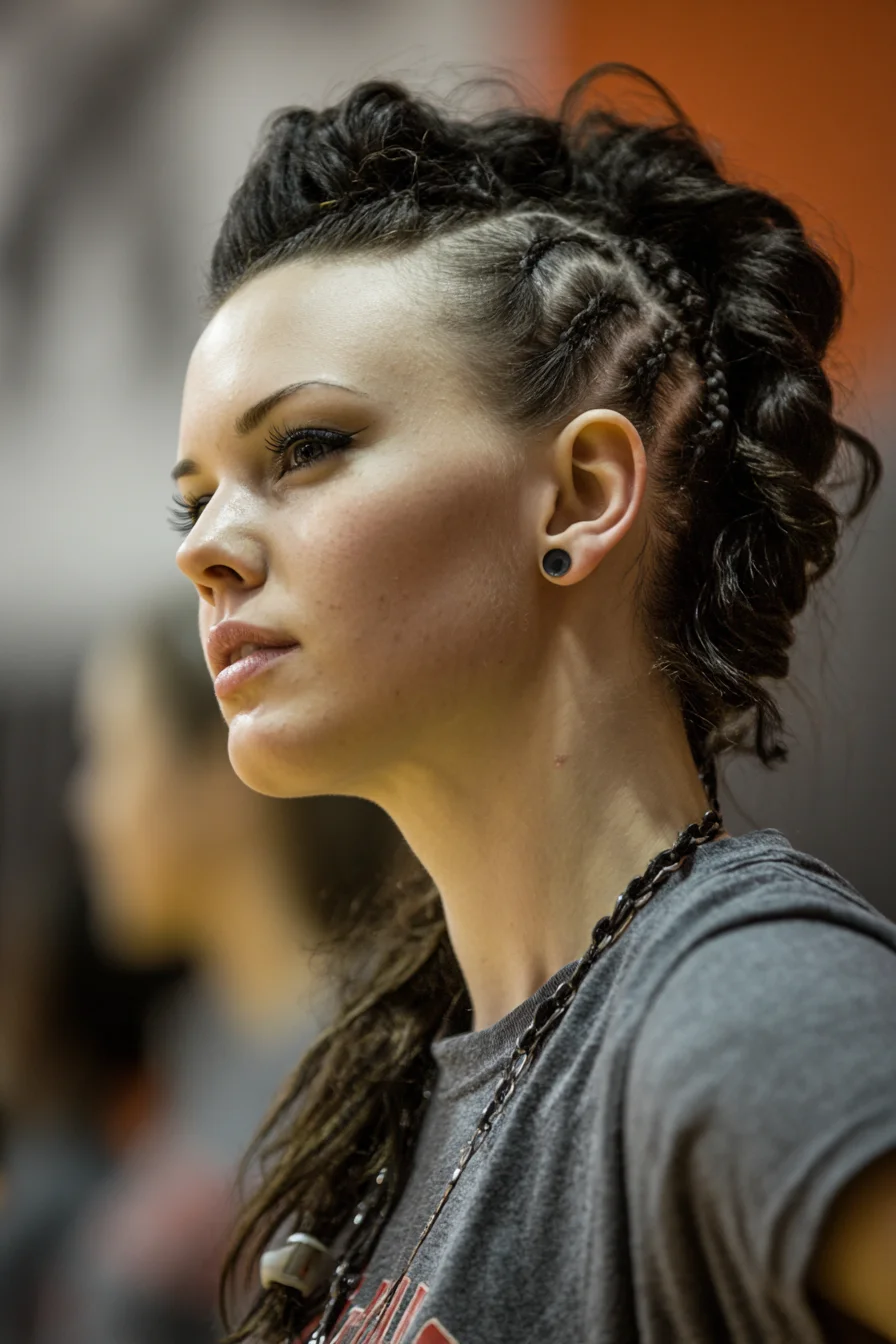
This edgy braided faux hawk pairs tight side cornrows with a textured, voluminous back—perfect for clients who want an urban, long‑wearing look. Best suited to medium‑to‑thick hair and straight to wavy textures; fine hair can be boosted with padding or clip‑in pieces, while very curly hair benefits from a light blowout or stretch before braiding. Technique: work on clean, detangled hair; apply a heat protectant and light styling cream or texturizing spray. Section the sides and create several small, tight cornrows angled toward the centerline, securing each with tiny elastics. Backcomb and smooth the center panels for lift, then twist or curl longer sections and pin to form the faux‑hawk silhouette. Tools: rat‑tail comb, sectioning clips, small elastics, bobby pins, teasing brush, blow dryer, curling wand or flat iron. Products: pre‑styling spray/heat protectant, texturizing spray or powder, light pomade for edges, strong‑hold hairspray, and a shine serum for ends. Difficulty: intermediate (45–75 minutes). Maintenance: sleep on a silk scarf, refresh with dry shampoo and texturizer, retighten or redo braids every 1–2 weeks, and avoid heavy oils at the roots.
Cornrow Mohawk with Feed-In & Twisted Braids for Textured Hair
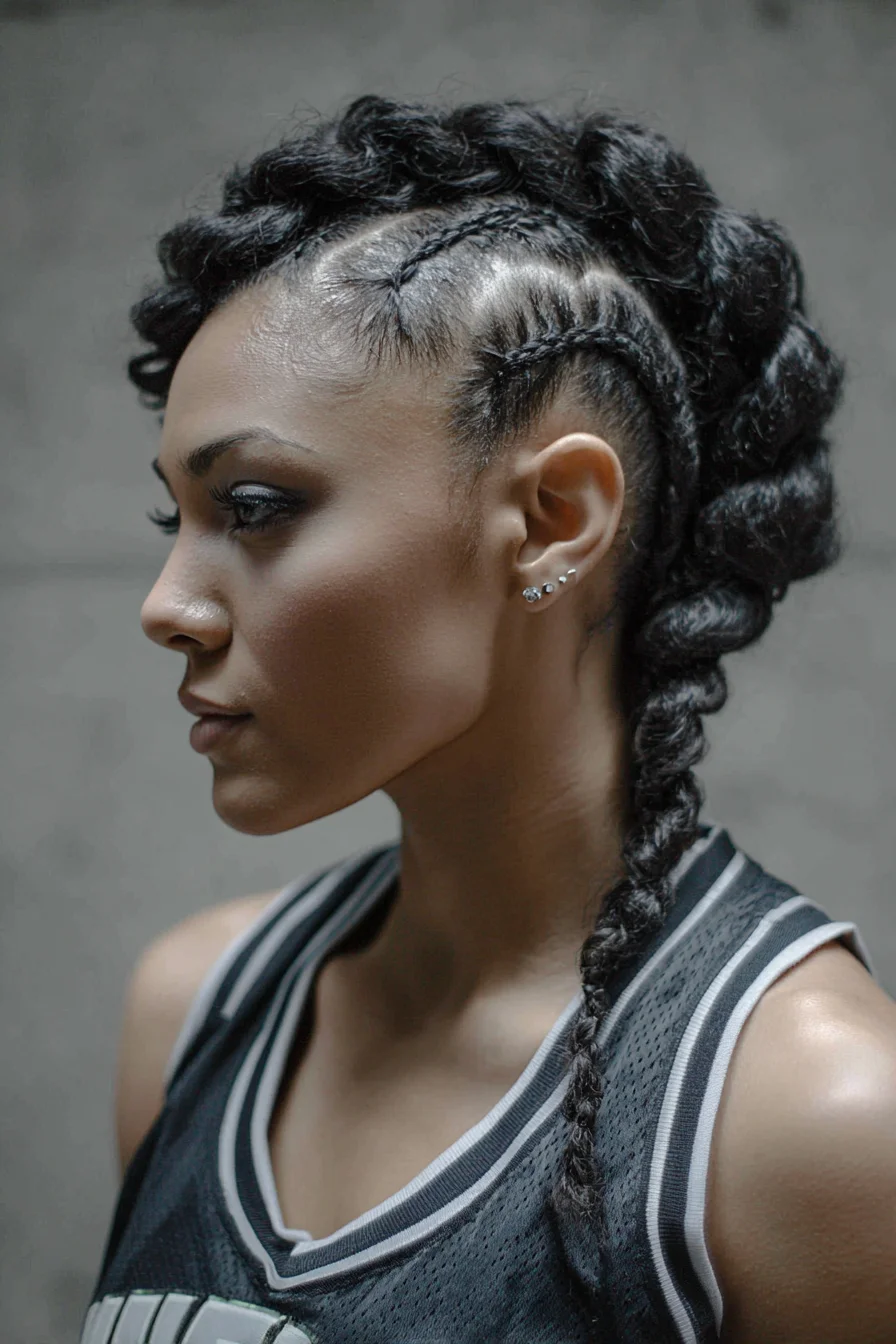
This mohawk-inspired style pairs neat side cornrows with feed-in technique and a larger twisted/three-strand braid down the crown — ideal for naturally curly, coily or tightly textured hair. Technique: start on dry, detangled hair. Create clean side parts with a rat-tail comb, then build small cornrows toward the center using a feed-in method to add gradual volume. Gather the center section and finish as a chunky twisted or three-strand braid, securing the end with a small elastic or wrap. Tools needed: rat-tail comb, sectioning clips, fine-tooth comb, edge brush, elastics, long tail hairpins and optionally a crochet needle for adding extensions. Products required: lightweight leave-in conditioner, hydrating cream or butter, firm-hold braiding gel or edge control for smooth parts, a light holding spray and a scalp oil/serum to prevent dryness. Difficulty level: intermediate — requires precision parting and consistent tension; expect 1.5–3 hours depending on hair length and extensions. Maintenance tips: sleep with a silk/satin bonnet, refresh edges with a small amount of edge control, oil the scalp weekly, gently cleanse with diluted shampoo using an applicator bottle, and remove after 6–8 weeks to prevent breakage.
Twisted Crown Updo with Rolled Front (Braided Pin‑Up)
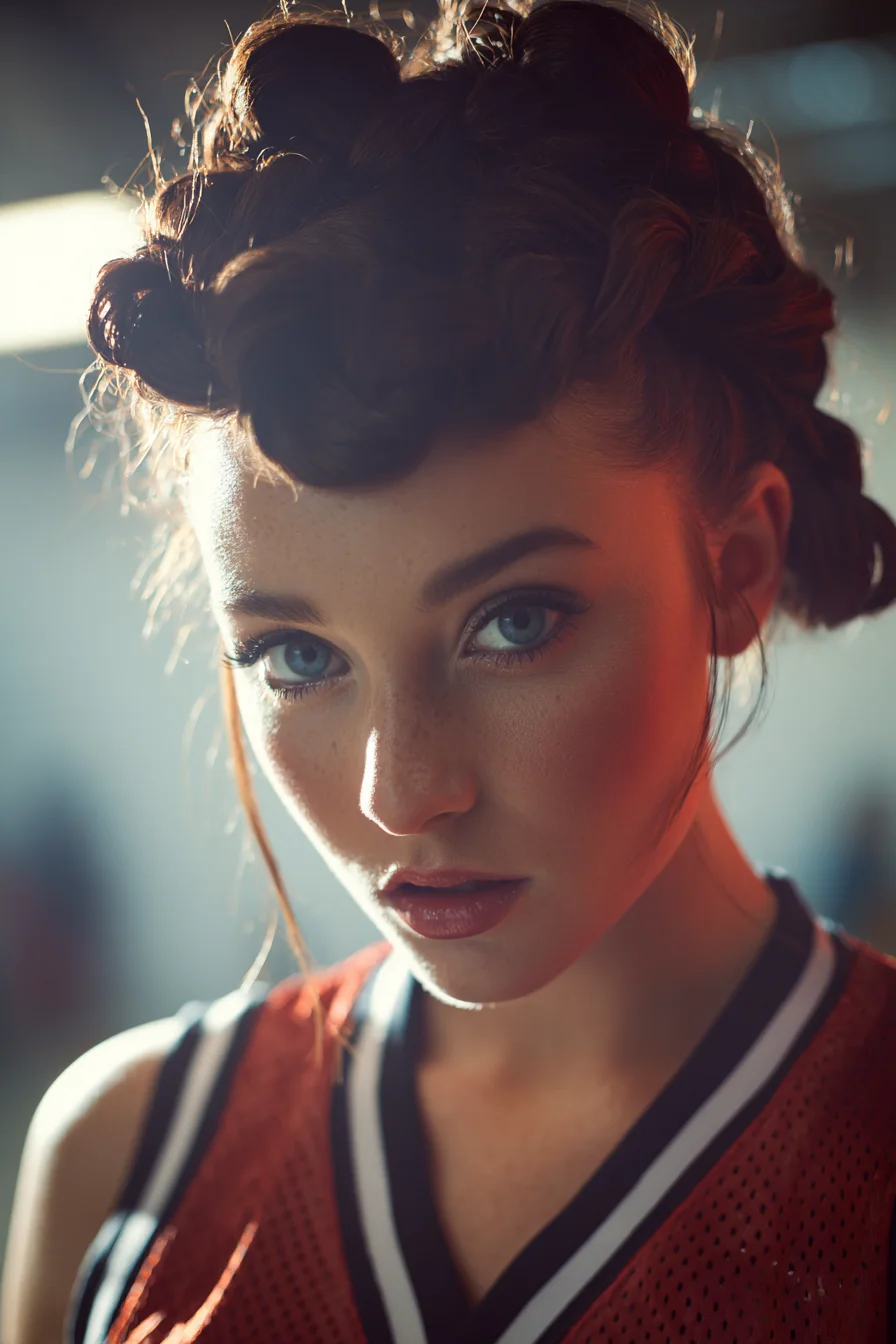
This textured twisted crown updo suits medium‑to‑long hair and works well on straight, wavy or slightly curly textures. Fine hair benefits from light teasing or padding/extensions for volume; thick hair creates more pronounced rolls and will need stronger pinning. Start on dry, textured hair: section a front hairline band, create two or three rope twists or loose braids along the crown, roll each twist into a loop/roll and secure with bobby pins in a crown formation. Gather remaining hair into a low twisted bun or tuck under and pin to balance the shape. Leave a few face‑framing strands soft. Tools: tail comb, sectioning clips, bobby pins (varied sizes), small elastics, optional bun pads, and a curling iron to shape loose pieces. Products: heat protectant, volumizing mousse or texturizing spray, light pomade for flyaways, medium‑hold hairspray and a shine mist. Difficulty: intermediate — expect 35–60 minutes in a salon setting. Maintenance: sleep on a silk pillow, refresh hold with dry shampoo or texturizing spray, re‑secure any loosened rolls with pins, and avoid heavy brushing to preserve the structure.
Curly Wet‑Look Double Cornrows into Low Ponytail — Textured Hair Style
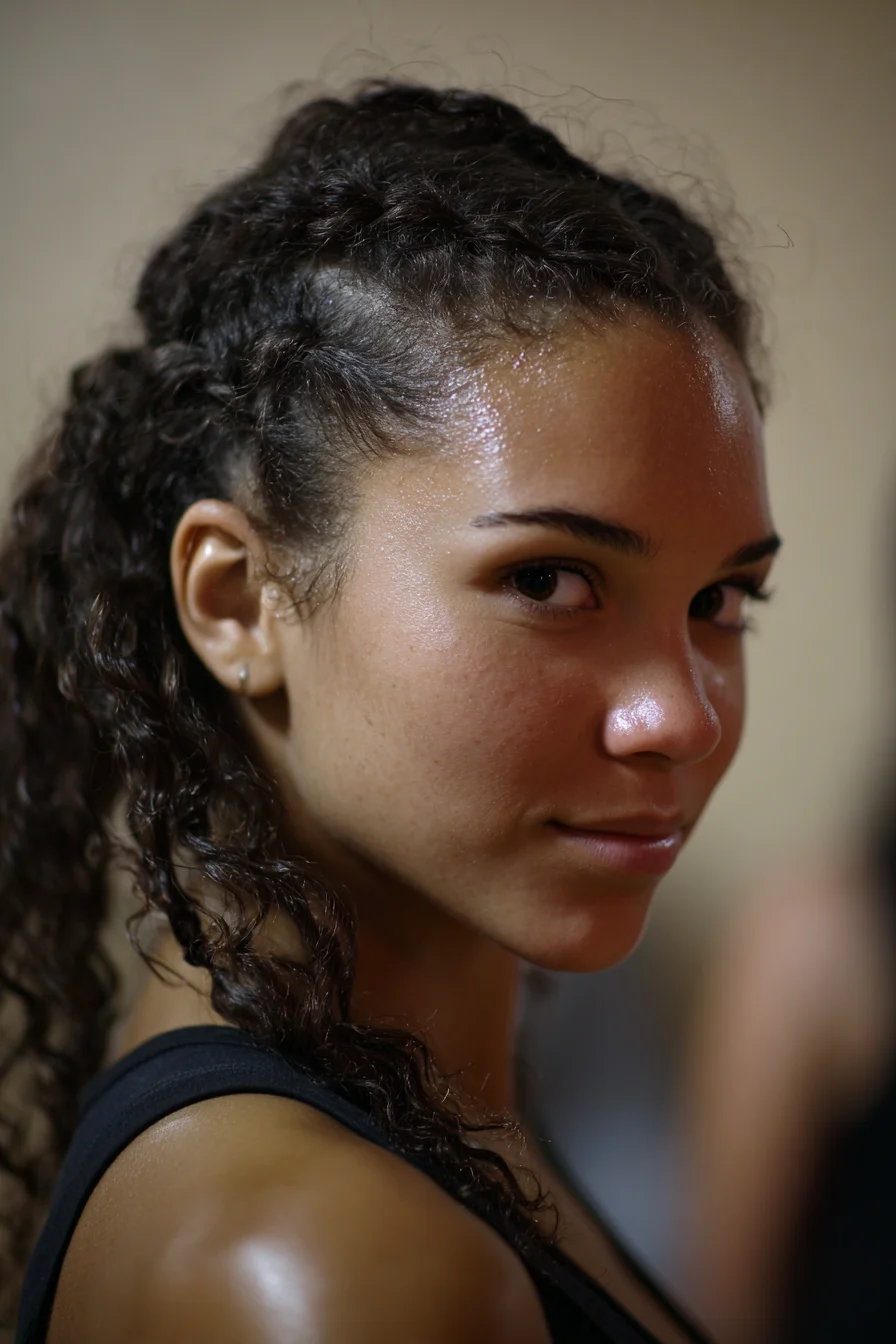
This style suits naturally curly to coily hair (type 3–4) and medium to thick textures; fine hair can achieve the look with light product or micro‑braid support. Start on freshly cleansed, detangled hair that’s evenly damp. Create two parallel center‑to‑back parts and Dutch‑braid or tightly cornrow each side along the scalp, gathering the braids into a low ponytail at the nape and leaving the remaining curls free for bounce. Important salon steps: apply a leave‑in conditioner, a curl‑defining cream, and a medium‑hold styling gel to smooth and set the roots before braiding. Tools needed: rat‑tail comb for parting, wide‑tooth comb for detangling, small clips, elastic bands, and a boar‑bristle brush for smoothing edges. Finish with an edge control product and a light, anti‑frizz serum or oil on the ends; optionally diffuse for extra definition. Difficulty: moderate — requires neat parting and basic cornrow/Dutch‑braid skills. Maintenance: sleep on a silk scarf or bonnet, refresh the loose curls with a water plus curl cream spray, reapply edge gel as needed, and limit heavy washing to preserve the style for 4–7 days.
Sleek Double Dutch (Boxer) Braids for Textured or Thick Hair
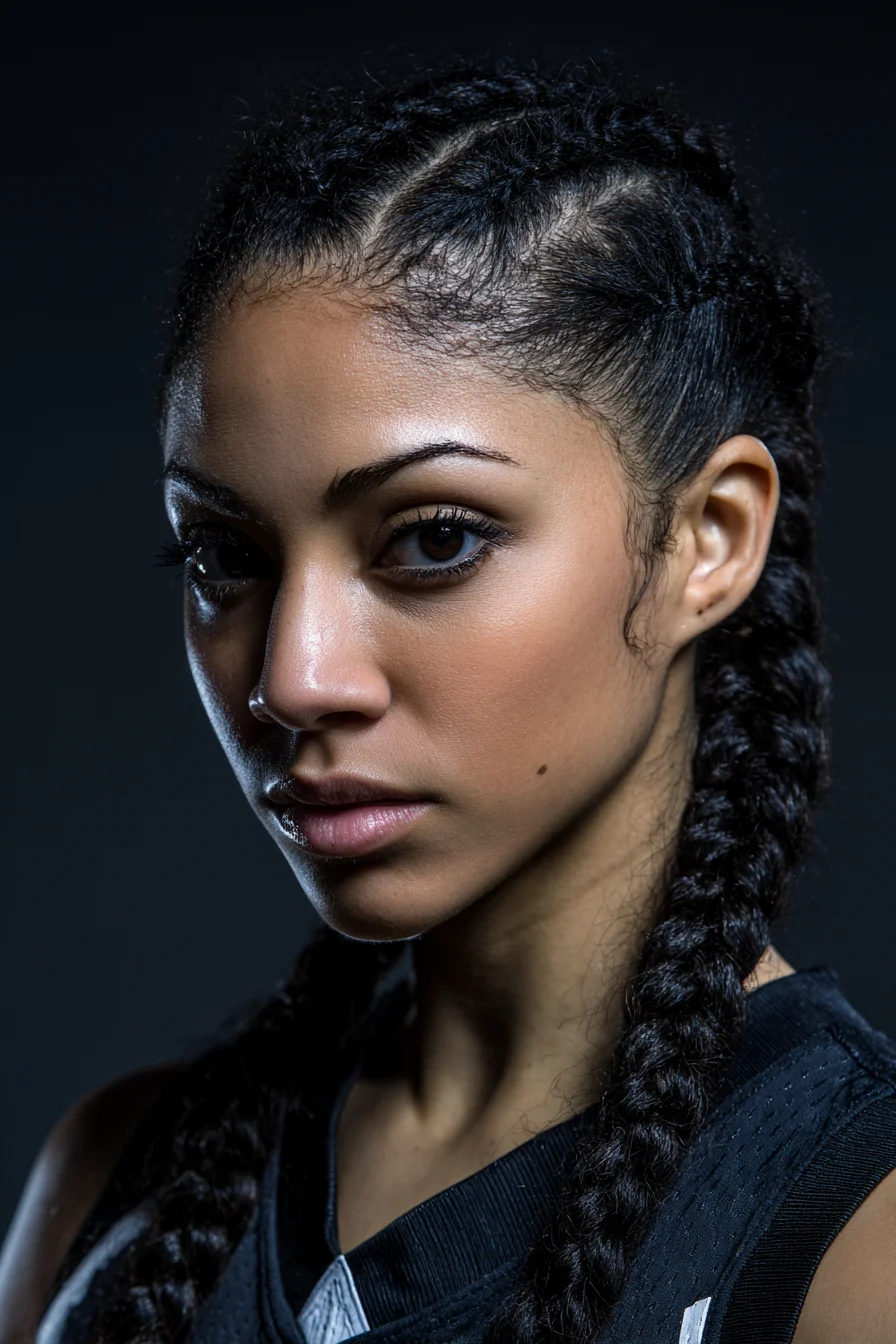
This sleek double Dutch braid style (boxer braids) suits medium to very thick textured hair and works well on curly or coily patterns; fine hair can achieve the look with light texture spray or added extensions. Start on clean, detangled hair: create a precise center part with a rat-tail comb, apply a leave‑in conditioner and a lightweight styling cream, then smooth roots with gel or edge control. Section one side and Dutch‑braid (underhand technique) tightly down to the nape, repeating on the other side. Secure ends with small elastics and finish with a shine spray. Tools: rat‑tail comb, wide‑tooth comb, hair clips, small elastics, boar‑bristle or paddle brush and a fine edge brush. Products: leave‑in conditioner, styling cream or butter for grip, firm-hold gel/edge control, lightweight oil or scalp serum, and anti‑frizz spray. Difficulty: intermediate — requires consistent tension and clean parting; expect 30–60 minutes. Maintenance: sleep in a satin bonnet or use a silk pillowcase, refresh edges with a tiny amount of gel, mist scalp with water+leave‑in weekly, avoid over‑tightening to protect the hairline, and redo after 2–3 weeks or as scalp needs cleansing.
Curly Crown Braids with Voluminous Updo and Face‑Framing Tendrils
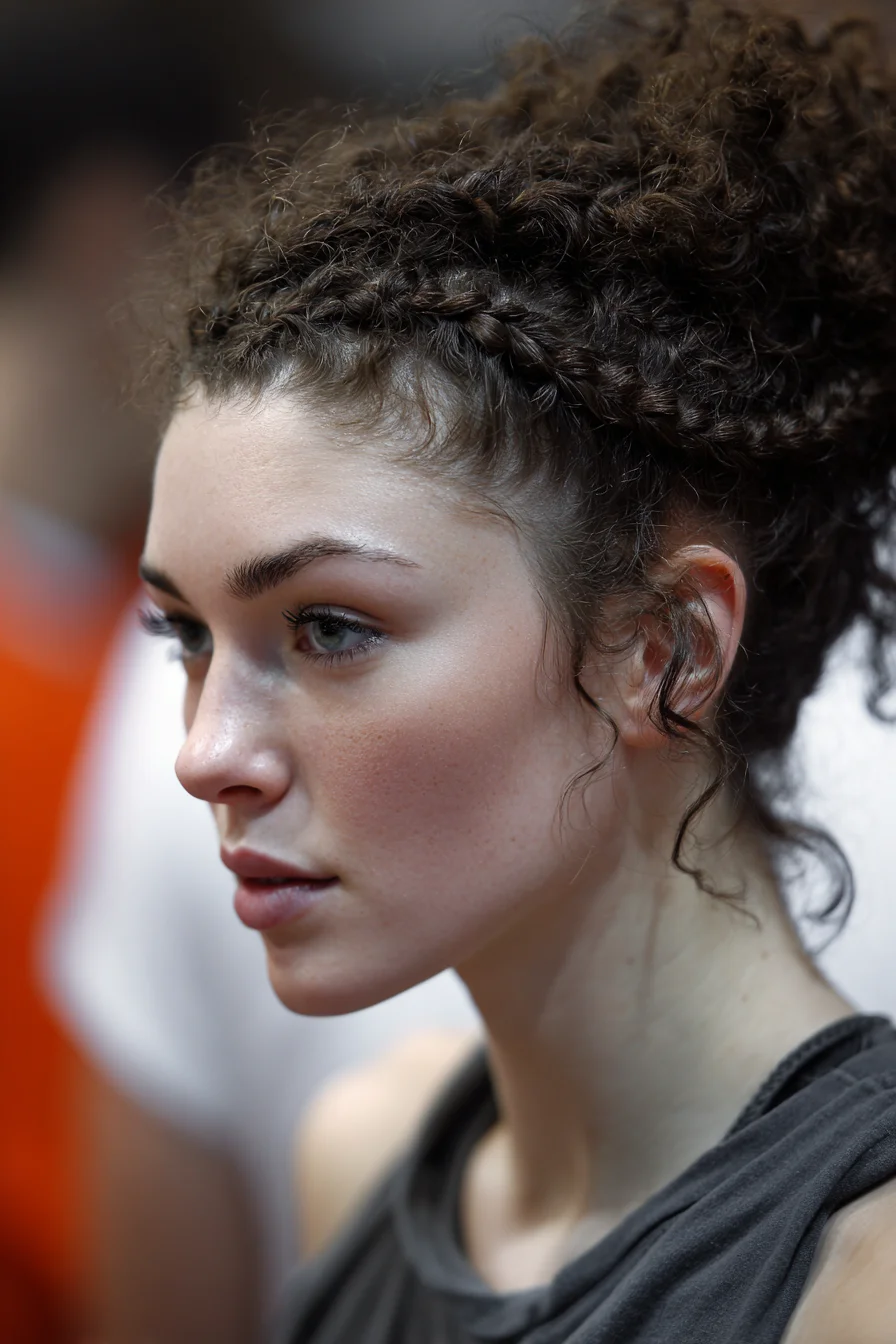
This look suits naturally curly, coily, or textured hair and also adapts well to wavy hair with prepped curl pattern. Start by parting a narrow section along the hairline and create one or two small Dutch/three‑strand braids along the crown, securing them toward the back. Gather the remaining hair into a high ponytail or loose bun, allowing the natural curl to form a soft, voluminous puff. Pull a few tendrils loose around the face for a soft, lived‑in finish. Tools: wide‑tooth comb, rat‑tail for parting, small elastics, bobby pins, sectioning clips, diffuser or curling wand (optional). Products: moisturizing leave‑in, curl cream or defining gel, light texturizing spray, and a flexible‑hold hairspray; edge control for baby hairs if desired. Difficulty: moderate — requires basic braiding skills and experience handling textured hair. Maintenance tips: sleep on a satin bonnet or pillowcase, refresh curls with a water + curl‑cream mist, and avoid heavy oils that weigh the style down. Re‑tighten braids after 1–2 weeks and trim frizzy ends as needed to preserve shape and bounce.
Textured Cornrows Leading to Twisted Sculpted Updo with Blonde Highlights
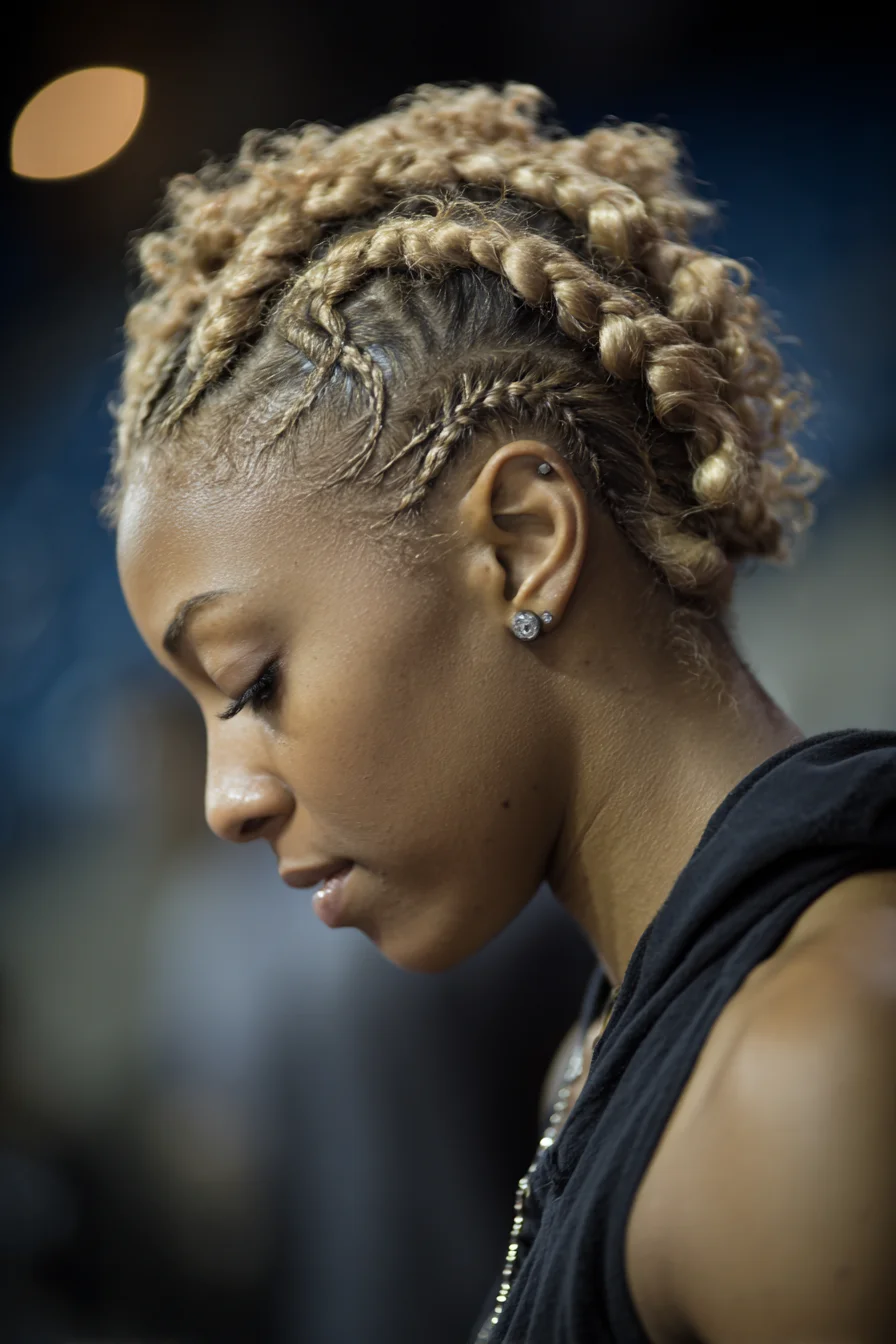
This sculpted updo pairs small cornrows at the scalp with larger two- or three-strand twists gathered into a low, textured bun — ideal for natural, coily, kinky or tight-curly hair and medium-thick wavy hair when texture is enhanced. Start on clean, detangled hair: create precise parts with a rat-tail comb, braid neat cornrows using a feed-in technique for a seamless look, then twist remaining lengths or add lightweight synthetic/real extensions for size. Pin twists into a rounded updo, concealing ends with bobby pins. Tools: rat-tail comb, sectioning clips, fine-tooth comb, braiding comb, small elastics, bobby pins, and a crochet needle if adding extensions. Products: leave-in conditioner, lightweight styling cream or butter for slip, edge control or gel for sleek parts, setting mousse for hold, and a lightweight oil to seal. Difficulty: intermediate — expect 60–120 minutes depending on density and extensions. Maintenance: sleep with a silk scarf or bonnet, reapply lightweight oil to the scalp weekly, refresh edges with a small amount of edge control, avoid heavy buildup, and book a salon touch-up every 3–4 weeks. For blonde/highlighted hair, use color-safe or purple shampoo and deep-condition regularly.
Sleek Double Cornrows with Curly Ends — Braided Cornrow Ponytails for Natural Texture
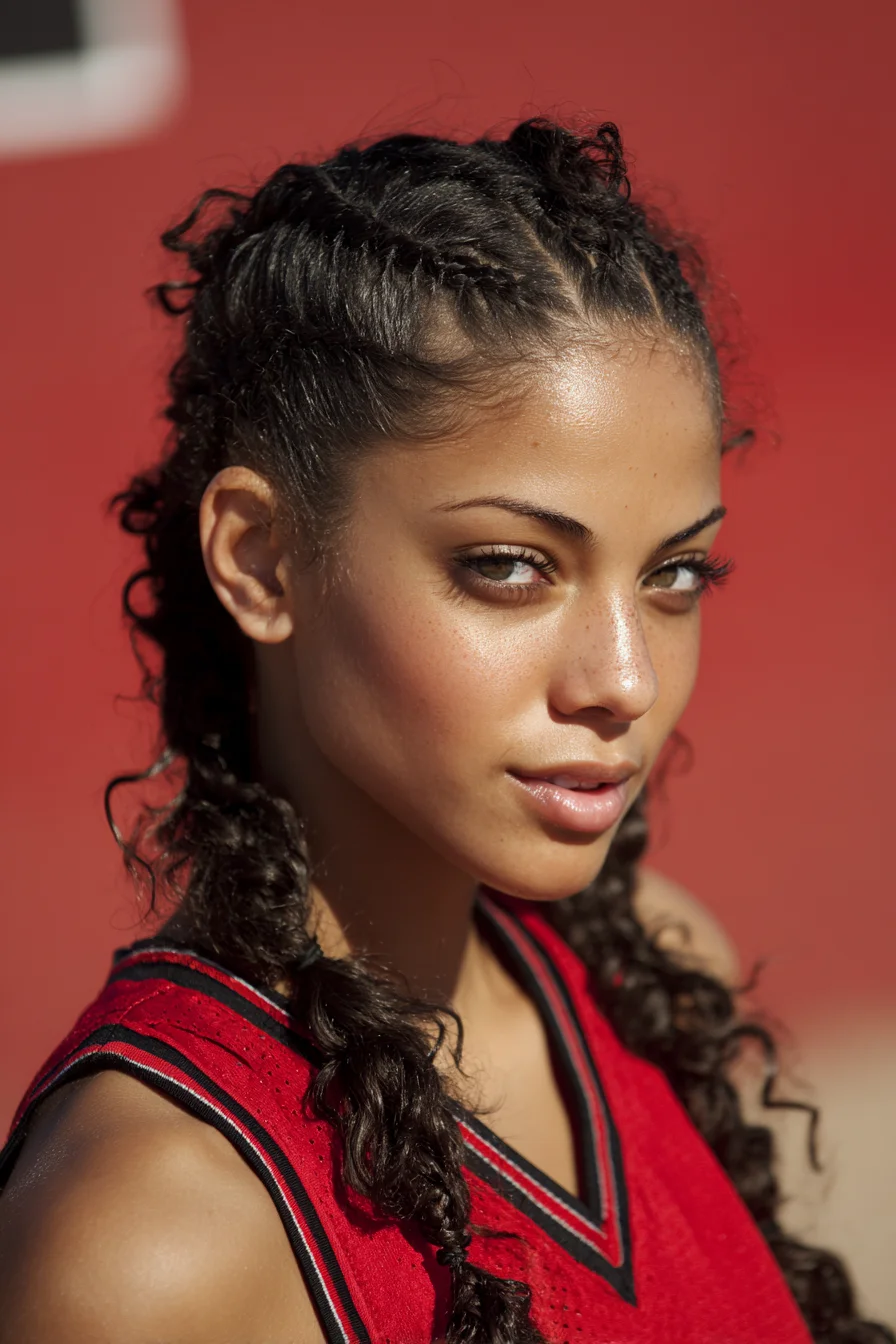
This look suits textured hair from wavy (2C) through coily (4C) and works best on medium to thick density. The technique: create clean center and side parts, apply a lightweight leave-in and a smoothing gel, then French-braid two or three tight cornrows along each side toward the nape and secure the braid lengths with small elastics, leaving the ends loose or loosely twisted to show natural curl. Tools needed: rat-tail comb, sectioning clips, small snag-free elastics, wide-tooth comb, and a fine edge brush. Products required: moisturizing leave-in, medium-hold styling gel or edge control for sleekness, curl-defining cream or mousse for the ends, a light hair oil or serum for shine. Difficulty: intermediate — requires even parting and consistent tension; seek a stylist if you’re new to scalp braiding. Maintenance tips: sleep on a satin pillowcase or use a satin bonnet, lightly mist ends with water + curl cream to revive definition, reapply edge control to keep flyaways smooth, avoid over-tightening to protect the hairline, and refresh or redo cornrows every 1–3 weeks depending on growth and scalp health.
Cornrowed Fauxhawk for Curly and Coily Hair
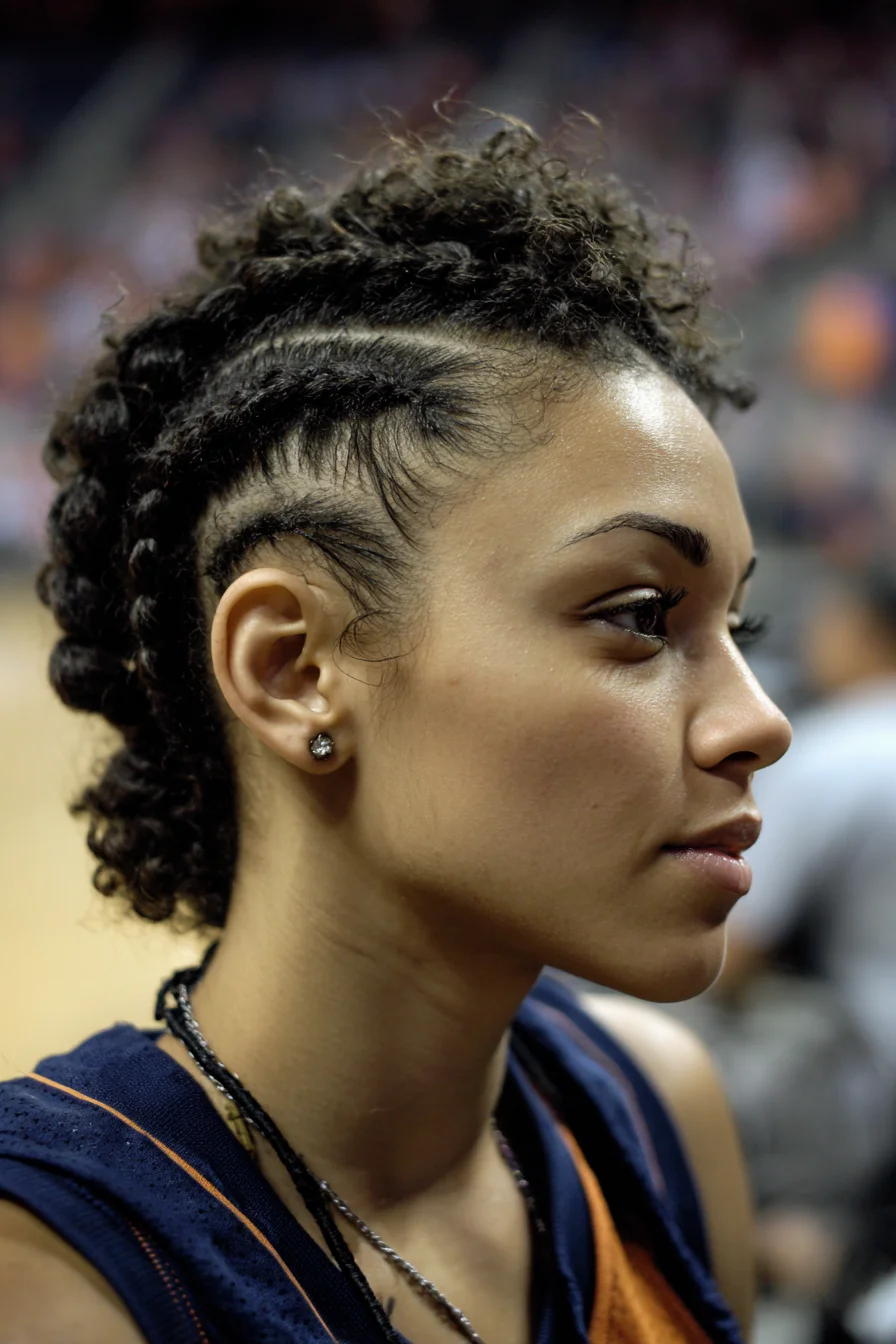
This look is ideal for natural curly to coily textures (3A–4C) with medium to thick density and short-to-medium length. Begin on freshly cleansed, detangled hair: part parallel rows on each side and braid close to the scalp (flat cornrows or flat twists) toward the center to create the fauxhawk ridge. Leave the center section in its natural curl pattern or lightly define with a curl cream and diffuser. Tools: rattail comb for precise parts, sectioning clips, small elastic bands, rat-tail. Optional: crochet needle or pins to secure ends. Products: hydrating leave-in, curl-enhancing cream, light gel or edge-control for sleek parts, lightweight oil or shine spray, and a flexible-hold hairspray for setting. Difficulty: intermediate — requires neat parting and basic cornrowing skill; expect 45–90 minutes in a salon. Maintenance: sleep on a satin bonnet or pillowcase, refresh curls with a water + leave-in mist and a small amount of curl cream, and re-slick edges as needed. Re-do cornrows every 2–3 weeks to maintain a clean look and avoid tension on new growth.
Double Dutch Braids into Loose Fishtails — Textured Braided Hairstyle
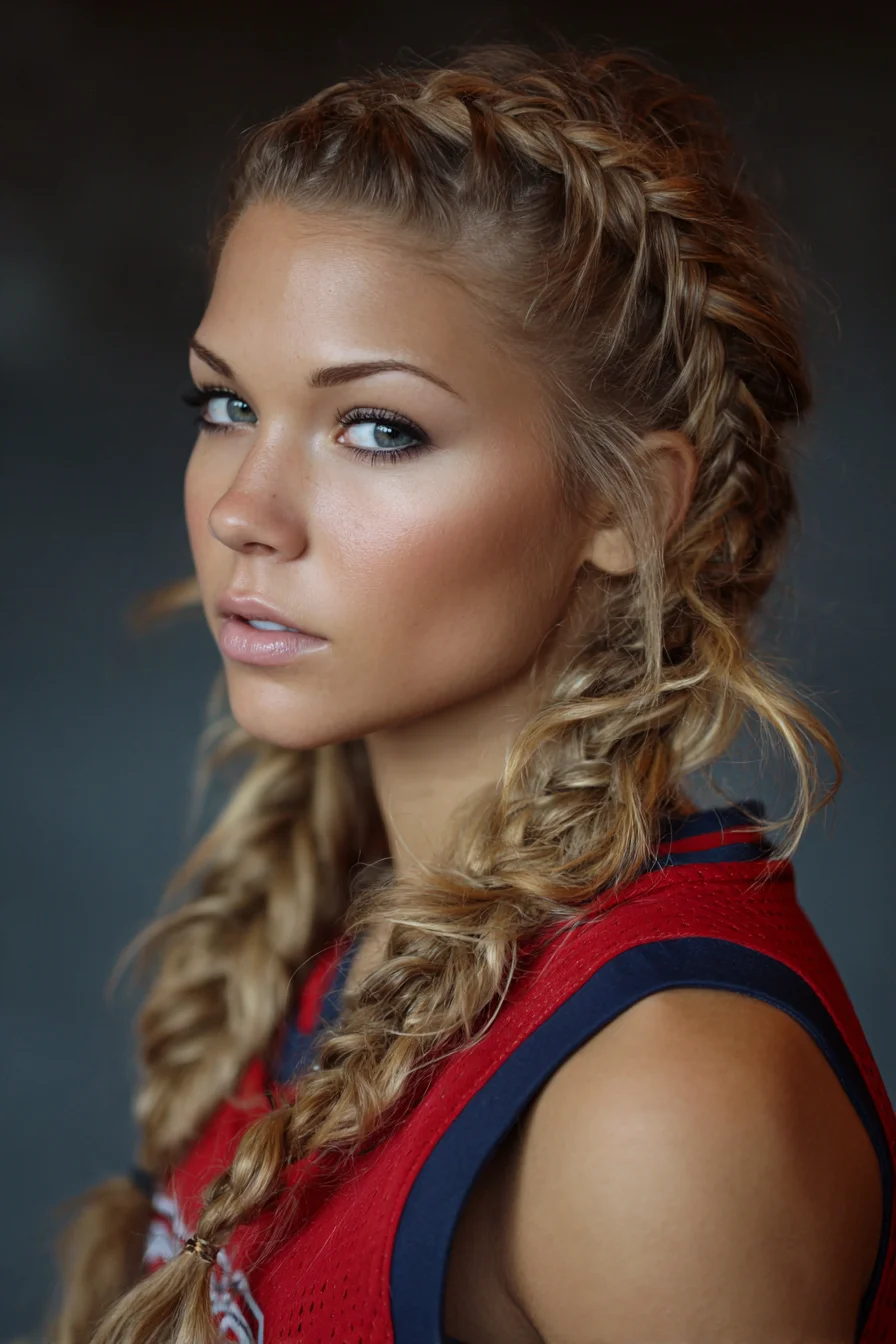
This look suits medium to long hair with medium to thick density and works best on naturally straight to wavy textures; fine hair can achieve the shape with added texture, while very curly hair should be smoothed slightly for clean Dutch parts. Technique: create a center part, section into two and Dutch-braid each side tightly along the scalp, then transition each braid into a loose fishtail or three-strand braid. Pancake the braids gently to create fullness and a lived-in texture. Tools needed: tail comb for clean parts, hair clips, small clear elastics, boar-bristle brush, and a fine-tooth comb. Helpful products: sea salt or texturizing spray for grip, lightweight styling cream for flyaways, heat protectant if using hot tools, and a flexible-hold hairspray to set. Difficulty level: intermediate — expect 25–40 minutes depending on practice. Maintenance tips: sleep on a silk pillow or wrap with a silk scarf, refresh texture with dry shampoo or light mist of salt spray, retighten only at the roots if loosening, and avoid heavy oils that will weigh the braids down.
Sculpted Dutch Cornrows Into Textured Double Braids
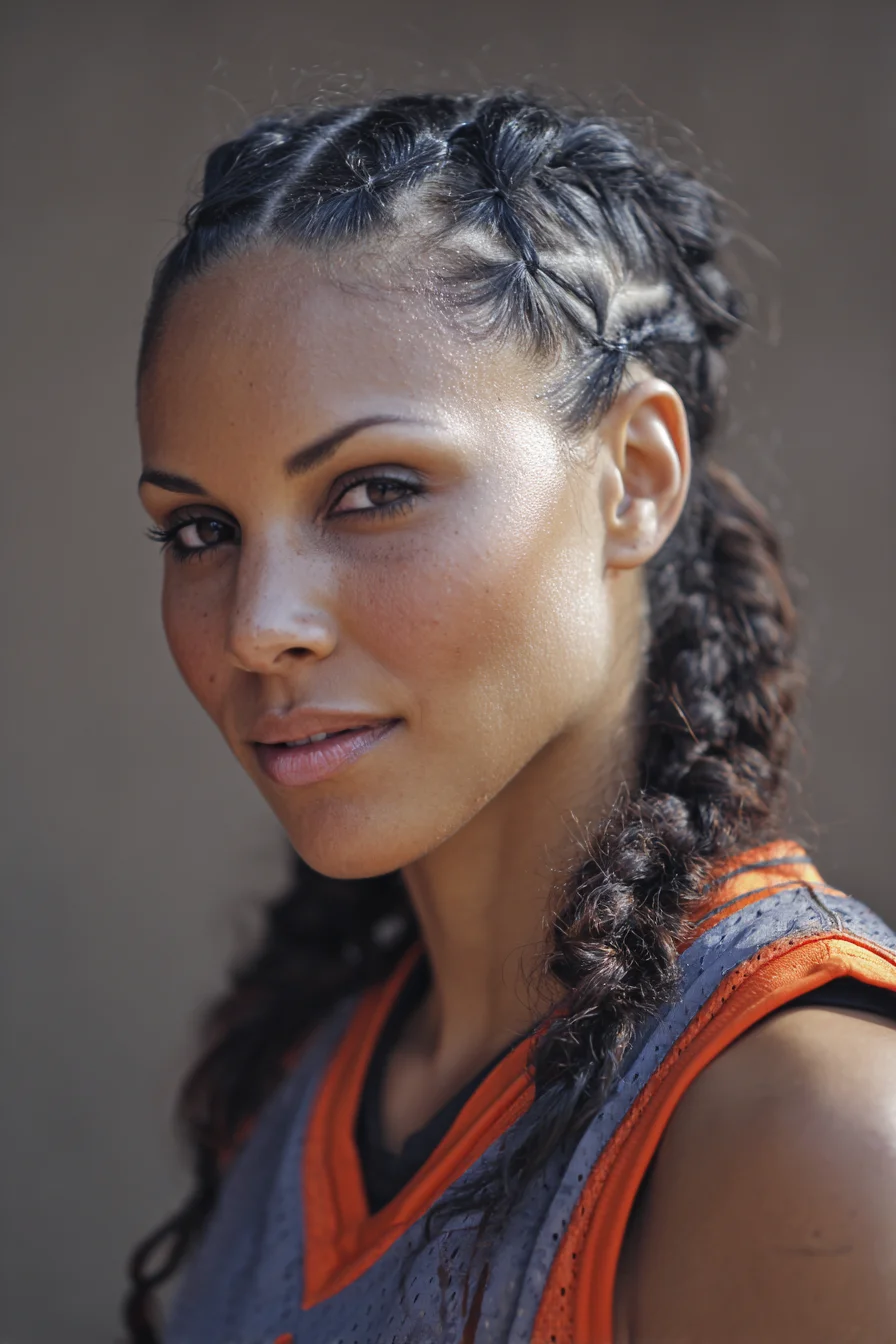
Suitable for medium to coarse, curly and coily textures, this style also adapts well to straight or wavy hair pre-texturized with a curling wand or texturizing spray. Technique: work on detangled, lightly damp hair; create clean center and lateral partings and feed-in (Dutch) cornrows along the scalp, transitioning each cornrow into a two-strand or three-strand textured braid down the nape. Slightly pancake the braids for width and pull small pieces to soften the edges for a lived-in finish. Tools needed: rat-tail comb, sectioning clips, small elastics, wide-tooth comb, edge brush. Products required: leave-in conditioner, light holding gel or edge control, braid spray or moisturizing oil, lightweight mousse for hold. Difficulty level: intermediate — 30–75 minutes depending on density; requires comfortable feed-in braiding technique. Maintenance tips: sleep on a silk/satin scarf or pillowcase, refresh edges with small amounts of gel, mist scalp with a water+conditioner spray every 2–3 days, avoid over-tightening to prevent breakage, and redo or touch up the front rows after 1–2 weeks. Keeps neat for 2–4 weeks with care.
Double Dutch (Boxer) Braids into Textured Mini Buns
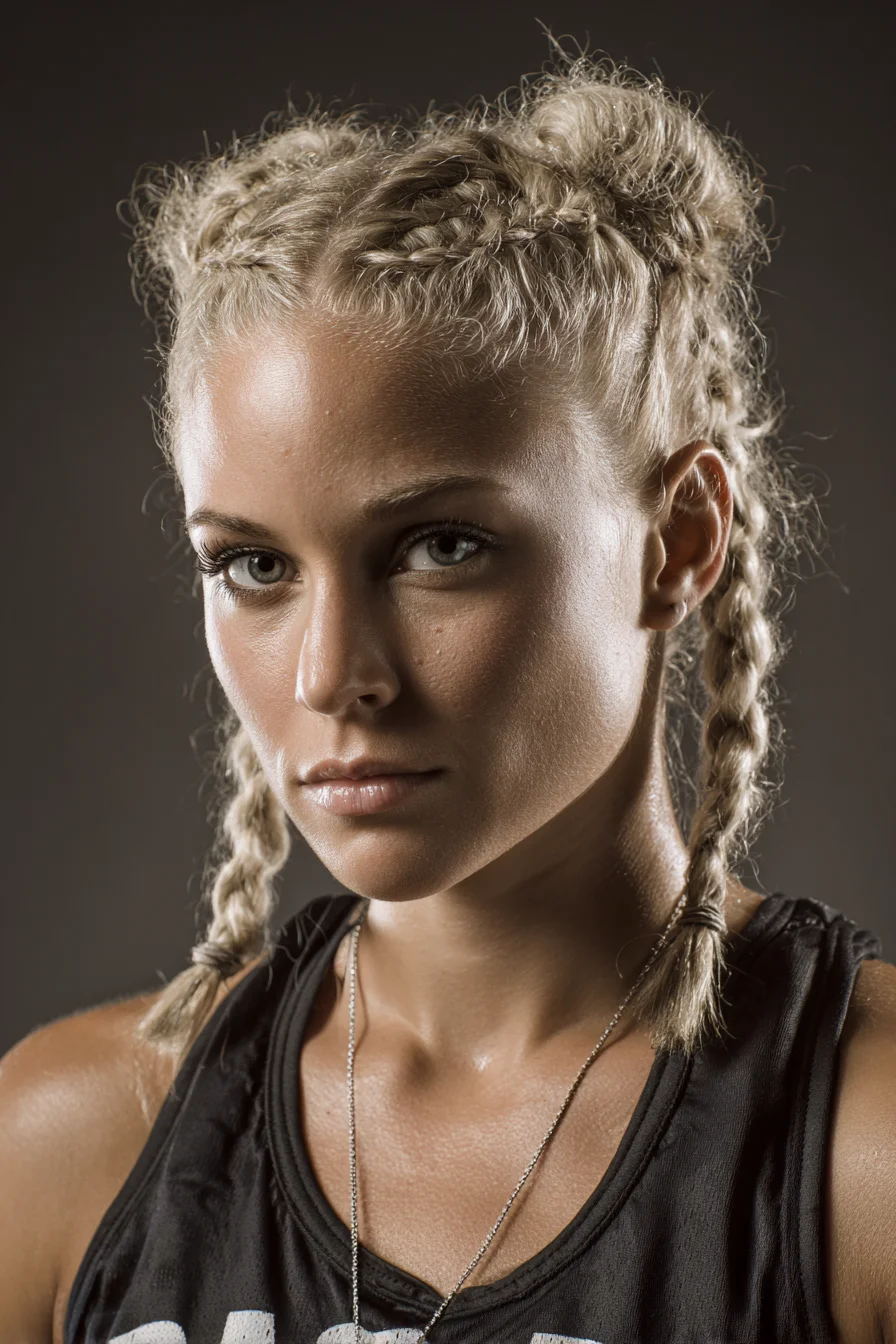
This sporty-chic look pairs two tight Dutch (boxer) braids with textured mini buns at the crown — ideal for medium to thick, straight-to-wavy hair and adaptable for curly hair after stretching. Start on damp, detangled hair with a clean center part. Using a rat-tail comb, section and clip; then create two Dutch braids by crossing outer strands under the middle, adding hair evenly as you move toward the nape. Secure with small elastics and wrap into low or high mini buns, or continue as long three-strand braids for a more casual finish. Tools: rat-tail comb, sectioning clips, small clear elastics, boar-bristle brush, tail comb, and a light-tooth comb for smoothing. Products: leave-in detangler, texturizing spray or sea-salt spray for grip, a small amount of styling cream or pomade for sleek edges, and a medium-hold hairspray. Difficulty: intermediate — requires steady tension and practice to make braids even. Maintenance: sleep with a silk scarf, refresh roots with dry shampoo, re-tighten elastics after 2–3 days, and apply lightweight oil to ends to prevent frizz. For fine hair, add texturizer or clip-in extensions for better hold and volume.
Textured High Half-Pony with Mini Braids for Curly Hair
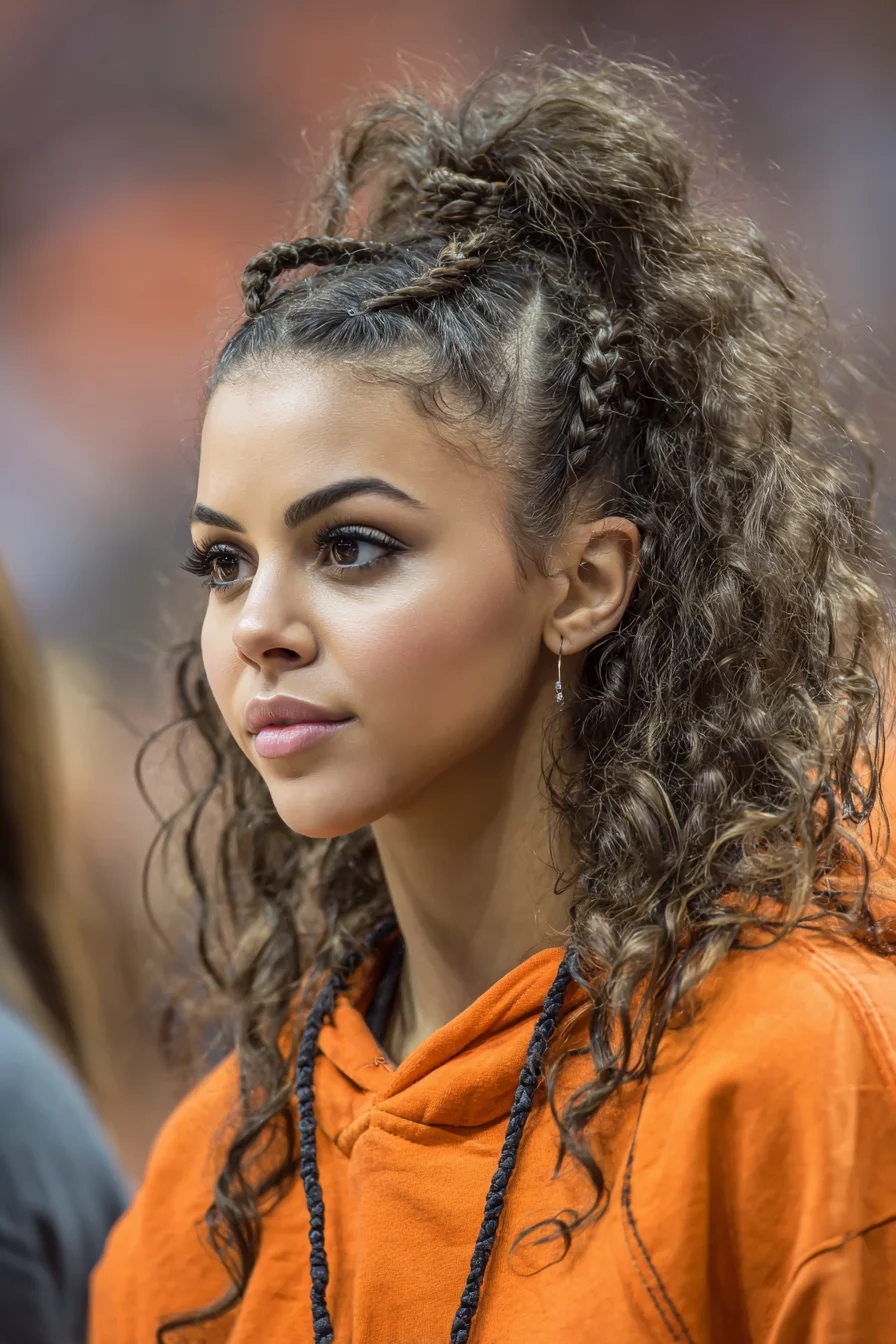
This textured high half-pony combines defined natural curls with small front braids for a polished, athletic look. Best suited to wavy, curly and coily hair types (2A–4A) and medium to thick densities — thin hair can still achieve the style with added extensions or light teasing. Section the top front into 2–4 small parts, create tight three-strand or cornrow-style mini braids along the hairline, then gather the crown and secure into a high half-ponytail, leaving the back curls free and voluminous. Tools: rat-tail comb, small elastics and clear bands, sectioning clips, wide-tooth comb, bobby pins, and optionally a small curling wand for touch-ups. Products: lightweight leave-in conditioner, curl-defining cream or gel for hold, edge control for sleek baby hairs, heat protectant if using hot tools, and a flexible-hold hairspray. Difficulty: intermediate — requires neat parting and tidy braiding but no advanced techniques. Maintenance: sleep on a satin bonnet or pillowcase, refresh curls with a water + leave-in mist, reapply small amounts of curl cream to revive definition, and redo the mini braids every 5–10 days to prevent breakage.
Bantu Knot Updo with Cornrowed Sides and Braided Ends — Natural Textured Hair
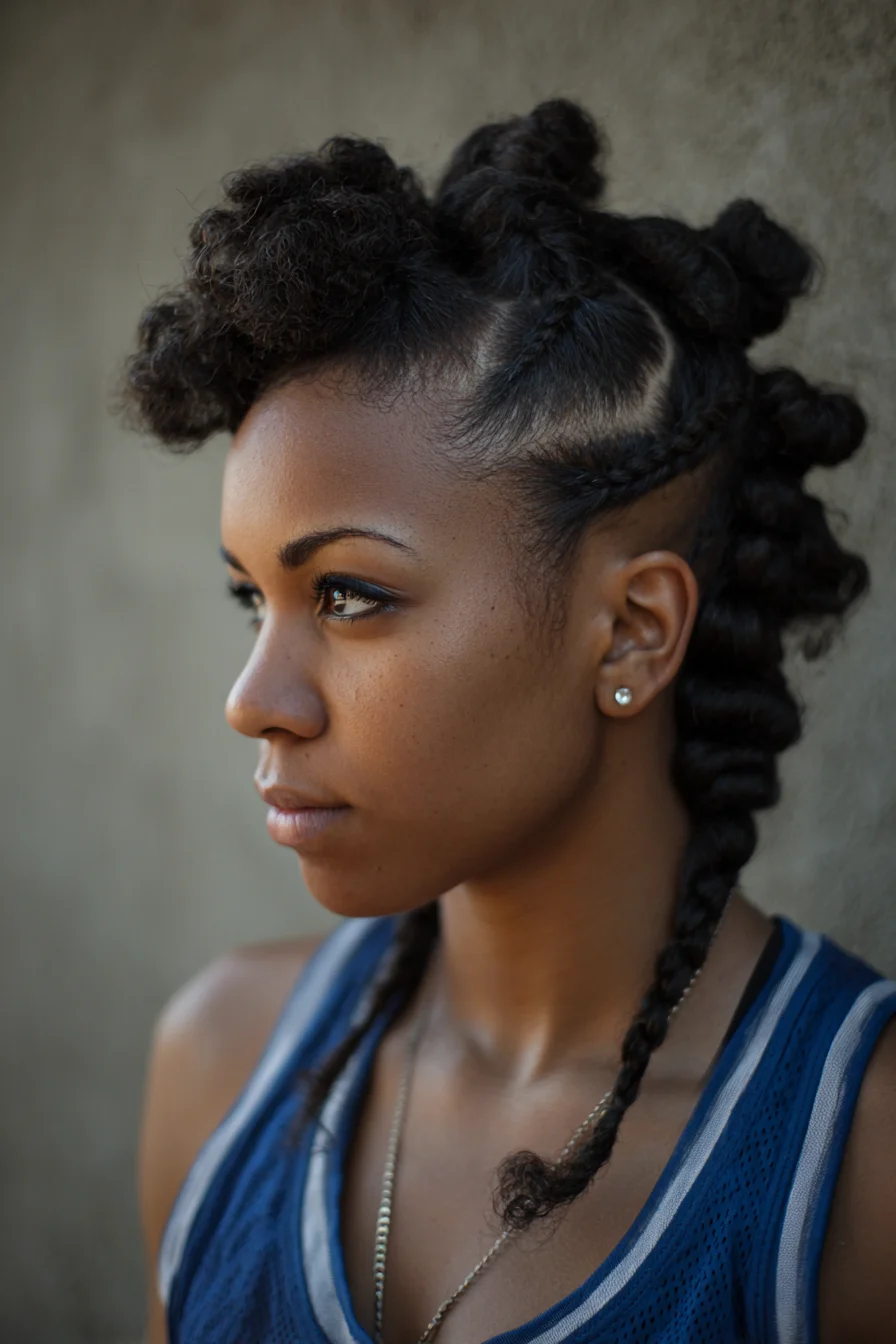
This look suits textured to coily hair (3A–4C) with medium to thick density and medium-to-long length. Start on freshly detangled, lightly conditioned hair. Section hair into defined panels; create flat cornrows or flat twists along the sides feeding into two or more back braids. Use each crown section to smooth and wrap into firm but not painful Bantu knots for the top volume. Key tools: rattail comb for clean parts, clips, wide-tooth comb, edge brush, small elastics, and a fine-tooth tail for neatness. Recommended products: moisturizing leave-in, curl cream or butter for slip, medium-hold gel or edge control for sleek parts, and a lightweight oil (argan or jojoba) for shine. Skill level: intermediate — requires neat parting and basic cornrow/braid technique; plan 60–120 minutes depending on section count. Maintenance: sleep on a silk bonnet or pillowcase, reapply light oil to the scalp twice weekly, refresh edges with water + gel, and re-twist any loose knots. Avoid excessive tension to protect the hairline; the style typically holds 7–14 days with care.
Double Dutch Braids Merged into a Single Side Braid — Protective Style
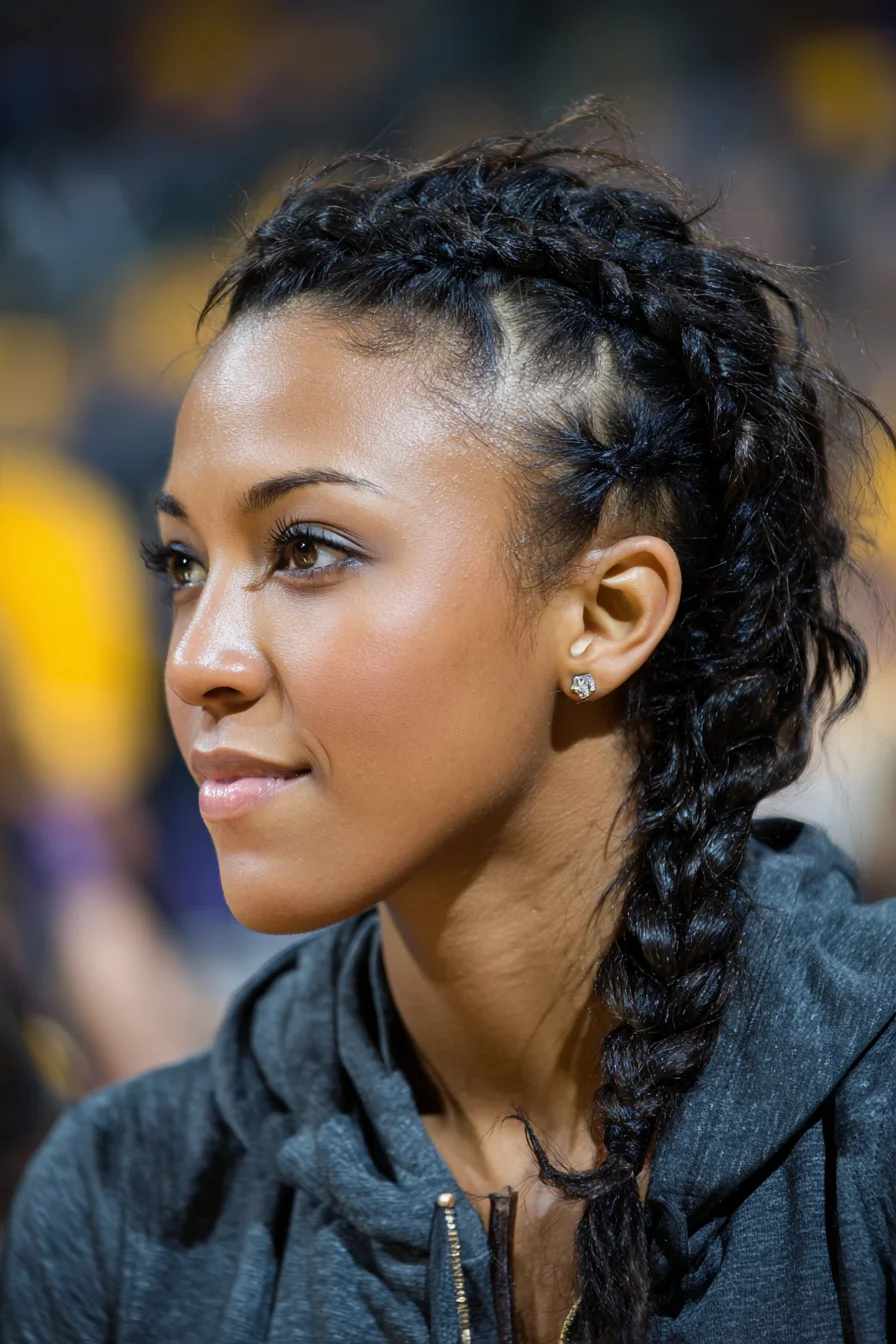
This polished, sporty style suits medium to very textured (wavy, curly, coily) hair and can be adapted for finer hair with lightweight clip-in extensions. Technique: create a clean center or deep side part, then Dutch-braid two sections tightly along the scalp from the hairline toward the crown, feeding hair under as you go; continue both braids down the nape and merge them into one three-strand braid, securing with a small elastic. Tools needed: rat-tail comb, sectioning clips, small snag-free elastics, hairbrush, and optional clip-in extensions. Products required: light leave-in conditioner, smoothing cream or pomade for grip, flexible-hold hairspray and a shine serum or oil for flyaways. Difficulty level: intermediate — expect 20–45 minutes depending on length and thickness; practicing Dutch braids beforehand will shorten time. Maintenance tips: sleep on a silk/satin scarf or pillowcase, refresh edges with light edge-control or oil, mist with water and seal with a dab of cream to revive, and avoid daily tight re-braiding to prevent breakage; redo after 1–2 weeks for best hair health.
Double Dutch Braids (Tight Cornrows) — Sporty Long Protective Style
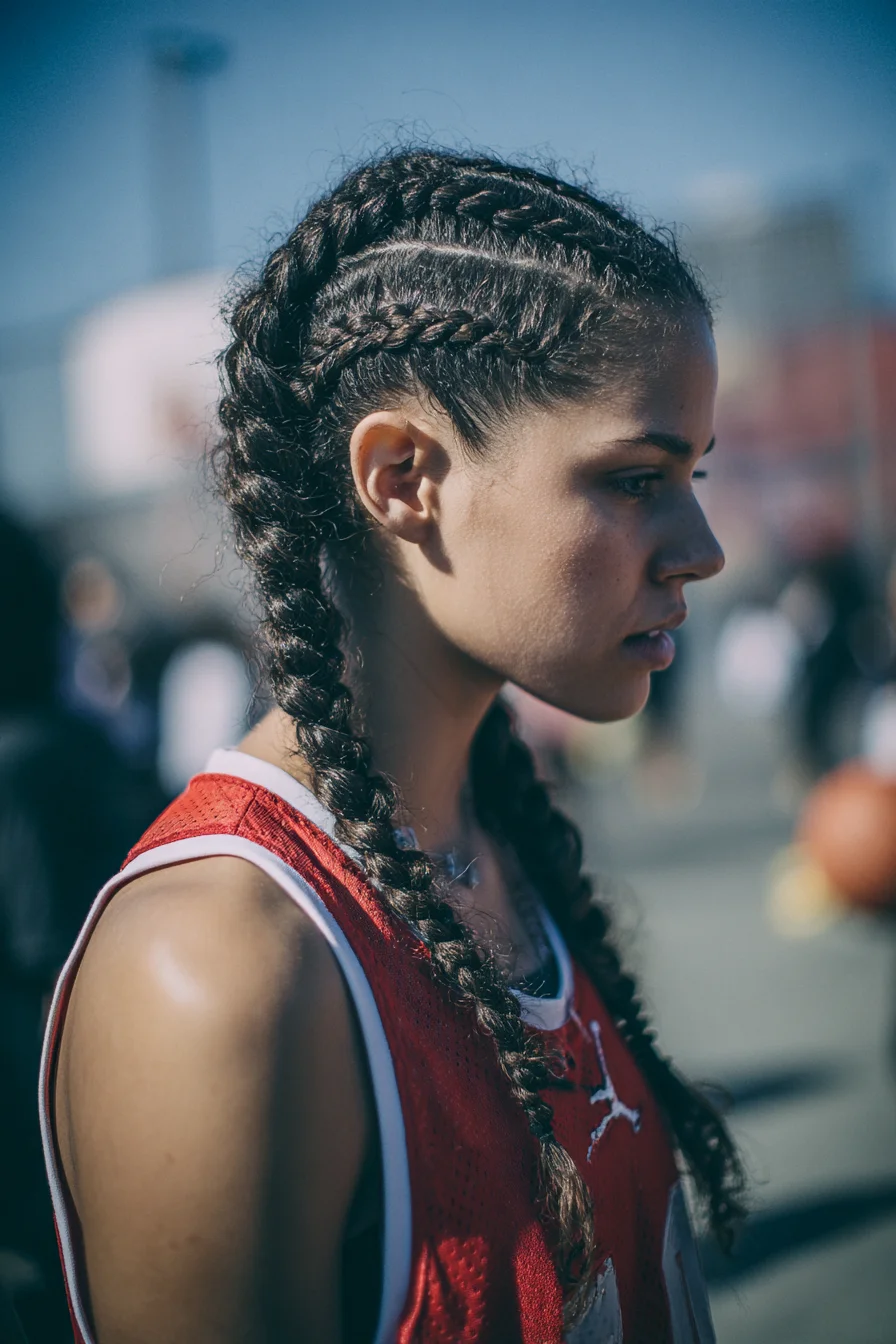
This hairstyle works well on straight, wavy, curly and coily textures and is ideal for medium to thick hair; fine hair can achieve the look with light extensions. Technique: part hair down the middle, then create parallel Dutch (inside-out) cornrows by crossing sections under the center strand to produce raised braids. Continue braiding to the nape, then finish with a regular three-strand braid to the ends and secure with an elastic. Tools needed: rat-tail comb for precise parting, sectioning clips, water spray bottle, small elastics and an edge brush. Products required: leave-in detangler, lightweight styling gel or edge control for neatness, smoothing cream or pomade for flyaways, and a lightweight oil or braid spray for scalp hydration. Difficulty: intermediate — requires steady hand and familiarity with Dutch braiding; expect 20–45 minutes depending on length and thickness. Maintenance tips: sleep on a satin bonnet or pillowcase, refresh edges with a small amount of gel, lightly mist braids with a braid oil or water-and-conditioner mix to prevent dryness, gently cleanse the scalp weekly and avoid heavy buildup. Keep for 1–3 weeks for best scalp health and appearance.
As a stylist I always recommend choosing basketball hairstyles that protect your strands while offering dependable hold. For wet-weather games use lightweight gel or a sweat-resistant pomade to smooth flyaways; for long practices favor braids or low buns to minimize manipulation and breakage. Keep elastic tension gentle — too tight causes edges loss; opt for fabric-covered bands and snag-free clips. Incorporate weekly deep conditioning and a silicone-free heat protectant when you use tools. Nighttime satin scarves or pillowcases reduce friction and prolong styles between washes. If you’re frequently in and out of court time, alternate protective looks and give your scalp a clarifying wash every 7–10 days. Try a few styles from the 56 images here and adapt them to your hair type — with small product and technique tweaks you’ll find reliable, flattering looks that let you focus on your game. —Lena